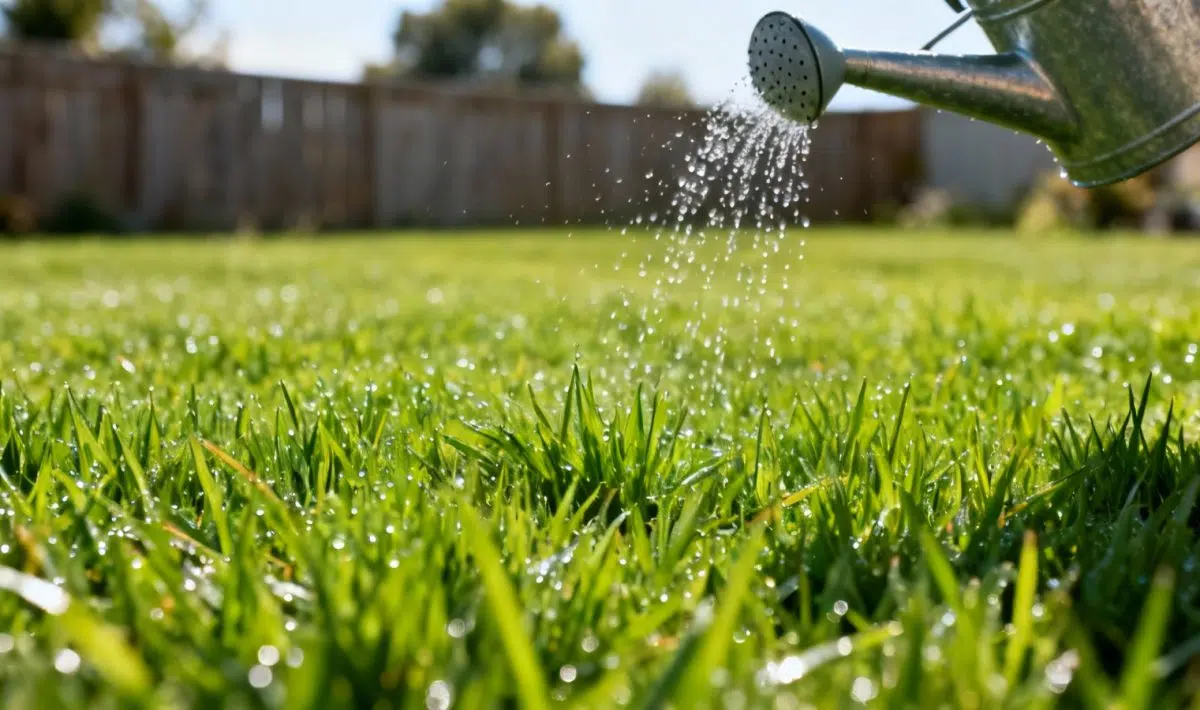
Understanding Kentucky bluegrass and its watering needs
Kentucky bluegrass stands out as one of the most beloved grass types for creating beautiful, dense lawns. This cool-season grass variety creates that perfect carpet-like appearance many homeowners dream of. However, getting the watering schedule right is absolutely crucial for your lawn’s success.
When you’re establishing new Kentucky bluegrass from seed, the watering requirements are quite different from mature grass. The germination period typically takes 21 days, making it the most water-demanding grass seed during establishment. During this time, the soil needs consistent moisture to support proper development.
For mature Kentucky bluegrass lawns, the general rule is deep, infrequent watering. Your grass will thrive with about 1 to 2 watering sessions per week, providing roughly 1 to 1.5 inches of water total. This approach encourages deep root development, which makes your lawn more drought-tolerant in the long run.
Factors that influence your watering schedule
Several environmental factors will affect how often you should water your kentucky bluegrass. Understanding these variables helps you create the perfect watering routine for your specific situation.
Climate and seasonal considerations
During hot summer months, your Kentucky bluegrass will need more frequent attention. The intense heat and longer daylight hours increase water evaporation from both the soil and grass blades. You might need to water twice weekly during peak summer, especially if temperatures consistently reach above 85°F.
Spring and fall present more moderate conditions. During these seasons, you can often reduce watering to once per week. The cooler temperatures and occasional rainfall help maintain soil moisture naturally. Just like other plants need specific care routines, such as maintaining a proper watering schedule for your loquat tree, your grass benefits from seasonal adjustments.
Soil type makes a difference
Clay soils hold water longer but absorb it more slowly. If you have clay soil, water less frequently but for longer periods to allow proper penetration. Sandy soils drain quickly, so you might need more frequent, lighter watering sessions to prevent the grass from drying out.
Well-draining loam provides the best balance. This soil type allows you to follow standard watering recommendations more closely, typically requiring water every 3-4 days during active growing seasons.
Best practices for watering your Kentucky bluegrass
Timing your watering sessions correctly can make or break your lawn care efforts. Early morning, between 6 AM and 10 AM, provides optimal conditions. The grass has time to absorb water before the day’s heat increases evaporation rates.
Avoid evening watering whenever possible. Grass that stays wet overnight becomes more susceptible to fungal diseases and pest problems. This principle applies to many plants – for instance, how to care for rosemary plants also emphasizes proper timing to prevent moisture-related issues.
Deep watering encourages strong root systems. Instead of light, daily sprinkling, provide thorough soaking sessions. Your sprinkler should run long enough to wet the soil 6-8 inches deep. This typically takes 30-45 minutes with standard sprinkler heads.
Monitoring techniques
Check soil moisture by inserting a screwdriver or similar tool into the ground. If it penetrates easily to 6 inches, your soil has adequate moisture. If it meets resistance after just 2-3 inches, it’s time to water.
Watch for visual cues from your grass. Footprints that remain visible after walking across the lawn indicate your Kentucky bluegrass needs water. The grass blades will also take on a bluish-gray tint when drought-stressed.
Seasonal watering strategies
Spring establishment and growth
Spring marks the beginning of active growth for Kentucky bluegrass. As temperatures warm and daylight hours increase, your lawn emerges from winter dormancy. Start with weekly deep watering sessions, adjusting frequency based on rainfall and temperature patterns.
If you’re seeding or overseeding in spring, maintain consistent soil moisture for the first three weeks. Light, frequent watering (2-3 times daily) keeps the seed bed moist without washing away seeds. Similar attention to detail is needed when keeping your coriander well-watered during its crucial establishment period.
Summer heat management
Summer presents the biggest challenge for Kentucky bluegrass care. This cool-season grass naturally slows growth during hot weather and may enter mild dormancy during extreme heat waves. However, proper watering helps maintain color and prevents permanent damage.
During summer, increase watering frequency to twice weekly if temperatures consistently exceed 80°F. Provide about 1.5 inches of total water per week, split between two sessions. Water deeply to encourage roots to grow down rather than staying near the surface.
Consider adjusting your mowing height during summer months. Taller grass shades the soil, reducing water evaporation and helping maintain moisture levels between watering sessions.
Fall preparation
Fall offers ideal growing conditions for Kentucky bluegrass. Cooler temperatures and increased moisture from autumn rains reduce watering needs significantly. You can often return to once-weekly watering during this season.
Continue regular watering through fall until the grass stops actively growing. This usually occurs when soil temperatures drop below 50°F consistently. Proper fall watering helps your lawn store energy reserves for winter survival and spring recovery.
Common watering mistakes to avoid
Overwatering causes just as many problems as underwatering. Too much water creates soggy conditions that promote disease, weaken root systems, and encourage weed growth. Your Kentucky bluegrass develops shallow roots when water is always available near the surface.
Light, frequent watering sessions rank among the most damaging practices. This approach keeps soil moist only in the top inch or two, preventing deep root development. Your grass becomes dependent on daily watering and struggles during hot, dry periods.
Inconsistent watering creates stress cycles that weaken your lawn over time. Just as ensuring chives get enough water requires consistent care, your grass performs best with regular, predictable moisture levels.
Watering during windy conditions wastes water through evaporation and creates uneven coverage. Wait for calm conditions to ensure your lawn receives uniform moisture distribution.
Troubleshooting water-related lawn problems
Brown patches often indicate fungal diseases caused by overwatering or poor drainage. Reduce watering frequency and improve air circulation around affected areas. Consider aerating compacted soil to improve drainage.
Thin or patchy areas might result from inconsistent watering patterns. Check your sprinkler coverage and adjust heads to ensure even distribution. Some areas might need supplemental hand watering to maintain uniform growth.
If your Kentucky bluegrass shows signs of drought stress despite regular watering, examine your soil drainage. Compacted soil prevents water penetration, creating dry conditions even after irrigation. Core aeration solves this problem by creating channels for water and air movement.
Remember that proper watering techniques vary among different plants and grass types. While you’re perfecting your lawn care routine, you might also want to learn about best watering practices for arborvitae if you have these trees complementing your landscape.
With consistent application of these watering principles, your Kentucky bluegrass will develop into the lush, resilient lawn you’ve always wanted. The key lies in understanding your specific conditions and adjusting your approach accordingly, rather than following a rigid schedule that doesn’t account for weather variations and seasonal changes.
Allan is a lifelong gardening enthusiast who still gets excited when the first seedlings pop up in spring. With a deep love for nature and a hands-in-the-soil approach, he shares practical tips, plant discoveries, and clever tricks picked up over years of digging, planting, and observing. Whether you’re a new gardener or have a shed full of tools, Allan writes like a neighbor who’s always happy to swap cuttings and stories over the fence.
You can find more about Allan’s work on Malt or connect with him on LinkedIn.