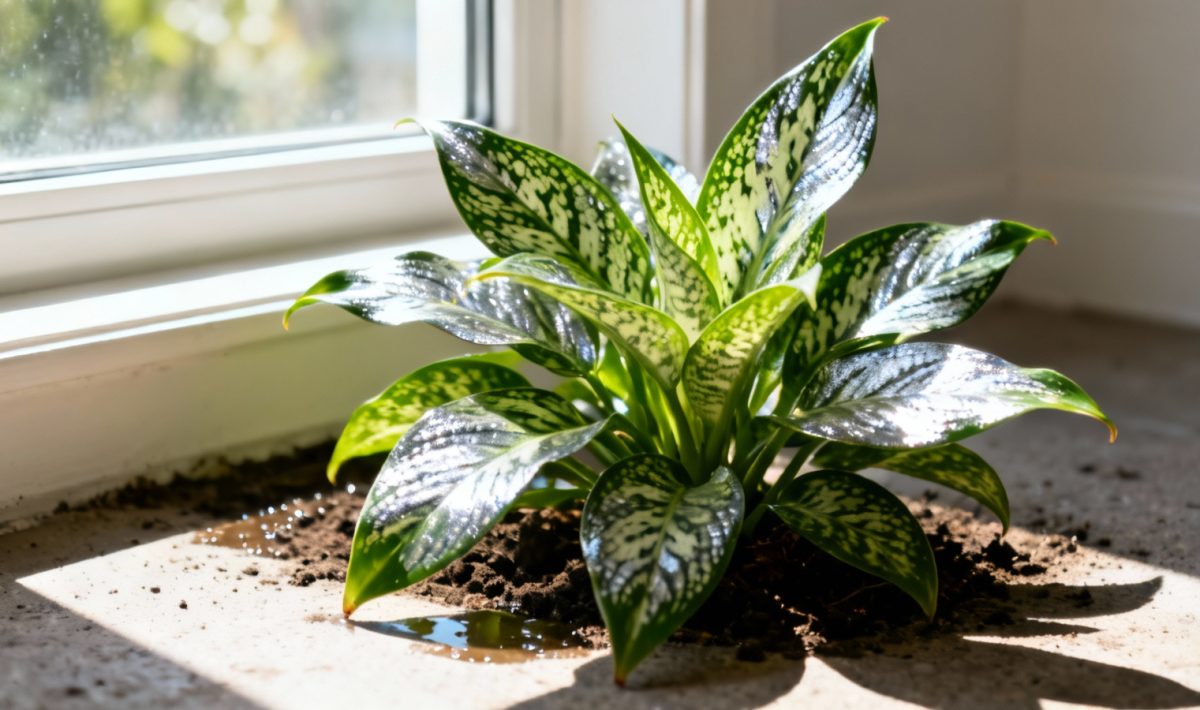
How much sunlight does rattlesnake plant need for healthy growth
The rattlesnake plant, scientifically known as Calathea lancifolia, is a stunning tropical houseplant that brings vibrant patterns and natural beauty to any home. Understanding how much sunlight does rattlesnake plant need is crucial for keeping this gorgeous plant thriving year-round. These plants are quite particular about their lighting requirements, preferring conditions that mimic their native tropical forest environment.
Rattlesnake plants naturally grow under the canopy of tropical forests, which means they’re adapted to receive filtered, indirect light rather than harsh direct sunlight. In their native habitat, these plants receive approximately 2 to 6 hours of bright, filtered light daily. This natural environment serves as the perfect template for creating ideal growing conditions in your home.
The key to successful rattlesnake plant care lies in providing consistent, gentle illumination throughout the day. Too much direct sun can scorch the delicate leaves, while insufficient light can cause the plant to lose its vibrant patterns and slow its growth significantly.
Optimal light conditions for healthy growth
Bright, indirect light works best for rattlesnake plants, similar to what you might provide for other light-sensitive houseplants. Position your plant near a north or east-facing window where it can receive gentle morning light without the intensity of afternoon sun. A spot about 3 to 6 feet away from a south-facing window also works wonderfully, as it provides adequate brightness without direct exposure.
If your home lacks natural light sources, artificial grow lights can supplement your plant’s needs effectively. LED grow lights positioned 12 to 18 inches above the plant for 10 to 12 hours daily can provide the necessary light spectrum. Just like understanding sunlight requirements for corn plants, each species has its unique needs that must be respected.
Signs of improper light exposure
Recognizing when your rattlesnake plant isn’t receiving the right amount of light is essential for maintaining its health. Too much direct sunlight typically causes leaf scorch, appearing as brown, crispy edges or bleached spots on the foliage. The beautiful patterns may also fade when exposed to excessive light.
Conversely, insufficient light manifests differently but is equally problematic. Your plant may develop smaller, paler leaves with less distinct markings. The growth rate slows considerably, and the plant may become leggy as it stretches toward available light sources. Understanding these warning signs helps you adjust conditions promptly.
Similarly to how you’d monitor optimal light for nerve plants, regular observation helps prevent serious damage to your rattlesnake plant.
Seasonal light adjustments
Your rattlesnake plant’s light needs can vary throughout the year as natural daylight hours change. During winter months, when days are shorter and natural light is less intense, you may need to move your plant closer to windows or supplement with artificial lighting. The reduced light intensity during winter is generally more tolerable than summer’s harsh rays.
Summer requires extra vigilance to protect your plant from intense afternoon sun. Consider using sheer curtains or relocating the plant during the brightest months. This seasonal awareness ensures consistent care regardless of changing outdoor conditions.
Creating the perfect growing environment
Beyond basic light requirements, several factors contribute to optimal rattlesnake plant health. Humidity levels should remain between 50-60%, which complements the filtered light conditions these plants prefer. Proper drainage is equally important, as soggy soil combined with low light can lead to root rot.
Temperature consistency also plays a role in how well your plant utilizes available light. Maintaining temperatures between 65-75°F allows the plant to photosynthesize efficiently under your carefully provided lighting conditions. Just as you’d consider multiple factors when determining ideal sunlight for cucumbers, houseplant care requires holistic thinking.
Troubleshooting common light problems
Many rattlesnake plant owners struggle with finding that perfect light balance. If your plant’s leaves are curling or developing brown edges, try moving it further from direct light sources. Gradually adjust the position over several days to avoid shocking the plant with sudden environmental changes.
For plants showing signs of insufficient light, increase exposure gradually. Moving from low light to bright conditions too quickly can stress the plant just as much as too much sun initially. Consider the methodical approach you’d use when learning about light needs of sycamore trees – patience yields better results.
Indoor vs outdoor considerations
While rattlesnake plants can spend time outdoors during warm months, they require careful placement to avoid leaf damage. A covered porch or shaded patio provides ideal conditions, offering bright ambient light without direct sun exposure. Morning light filtered through trees creates perfect growing conditions.
Indoor cultivation often proves more successful for most home gardeners because it’s easier to control light intensity. You can adjust window treatments, move plants as needed, and supplement with artificial lighting when necessary. This control helps maintain the consistent conditions rattlesnake plants need to thrive.
Long-term light management strategies
Successful rattlesnake plant care involves developing consistent lighting routines that work with your home’s natural light patterns. Document which locations work best during different seasons, and consider investing in a light meter to measure exact conditions. This scientific approach takes the guesswork out of plant placement.
Remember that light requirements may change as your plant matures and grows larger. Larger plants may need slightly more light to support their increased foliage, while younger plants often prefer gentler conditions. Much like understanding sunlight exposure for potato growth, monitoring and adjusting over time ensures optimal results.
With proper attention to lighting needs, your rattlesnake plant will reward you with stunning foliage and healthy growth. The key lies in patience, observation, and gradual adjustments that respect the plant’s tropical forest origins while working within your home’s unique environment.
Allan is a lifelong gardening enthusiast who still gets excited when the first seedlings pop up in spring. With a deep love for nature and a hands-in-the-soil approach, he shares practical tips, plant discoveries, and clever tricks picked up over years of digging, planting, and observing. Whether you’re a new gardener or have a shed full of tools, Allan writes like a neighbor who’s always happy to swap cuttings and stories over the fence.
You can find more about Allan’s work on Malt or connect with him on LinkedIn.