How much sunlight does sycamore need for healthy growth
Understanding how much sunlight does sycamore need is crucial for anyone planning to grow these magnificent trees. Sycamore trees are known for their impressive size and distinctive bark, but they require specific light conditions to thrive. Whether you’re planting seeds or caring for established trees, proper sunlight exposure will determine your success with this hardy species.
Essential sunlight requirements for sycamore trees
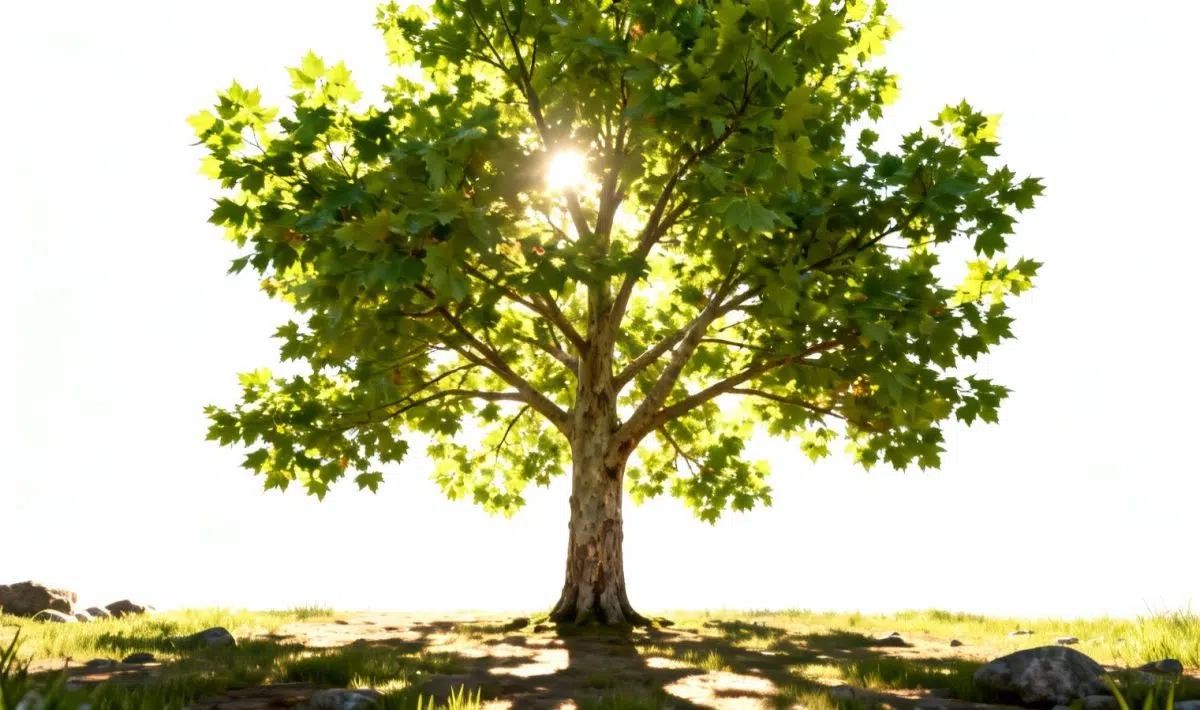
Sycamore trees are sun-loving specimens that perform best when they receive full sunlight throughout the day. These trees need a minimum of six to eight hours of direct sunlight daily for optimal growth and development. Without adequate light exposure, your sycamore may struggle with slow growth, weak branches, and poor overall health.
The intensity of sunlight directly influences how well your tree develops its characteristic broad canopy and strong root system. Much like understanding sunlight requirements for potato growth, each plant species has evolved specific needs that must be met for successful cultivation. Full sun conditions allow sycamores to photosynthesize efficiently and create the energy needed for their rapid growth rate.
Young sycamore trees can tolerate partial shade temporarily, but this tolerance decreases as they mature. While seedlings may survive with four to six hours of sunlight, established trees will show signs of stress if not provided with full sun exposure consistently.
Growth factors that influence light needs
Several environmental factors affect how much light your sycamore requires for healthy development. The age of your tree plays a significant role in determining its light sensitivity and requirements. Newly planted seeds and young saplings have different needs compared to mature specimens.
Soil quality also impacts light requirements, as trees growing in nutrient-rich, well-draining soil can better utilize available sunlight. Poor soil conditions may require even more intense light exposure to compensate for limited nutrient uptake. Additionally, local climate conditions influence how efficiently your tree can process sunlight.
Competition from nearby vegetation can significantly reduce available light for your sycamore. Other trees, large shrubs, or structures that cast shadows will force your tree to stretch toward available light sources, potentially creating weak growth patterns. Just as you would consider ideal sunlight for growing coriander, proper spacing and site selection are essential for sycamores.
Seasonal light variations
Throughout the year, your sycamore will experience different light conditions that affect its growth patterns. During spring and summer months, longer daylight hours provide ample energy for rapid growth and leaf production. This period is when your tree will put on most of its annual growth.
Fall brings shorter days and reduced light intensity, signaling your sycamore to begin preparing for dormancy. The tree will gradually slow its growth and begin the process of leaf drop. Winter months provide the least amount of available light, but this aligns perfectly with the tree’s natural dormant period.
Optimizing sunlight exposure for your sycamore
To ensure your sycamore receives adequate sunlight, careful site selection is paramount. Choose locations that receive morning sun and continue to have good light exposure throughout the day. Avoid planting near buildings, large trees, or other structures that will create significant shade patterns.
When planning your landscape, consider the mature size of your sycamore tree. These trees can reach heights of 75 to 100 feet with equally impressive canopy spreads. Plant them far enough from other large trees to prevent future competition for light resources. The spacing you provide now will determine your tree’s long-term health and growth potential.
Regular pruning of surrounding vegetation can help maintain optimal light conditions for your sycamore. Remove lower branches from nearby trees that might cast unwanted shade, and keep shrubs trimmed to prevent them from blocking ground-level light. Understanding light requirements is as important as knowing proper light for false sunflower health in your garden planning.
Signs of inadequate sunlight
Your sycamore will show clear signs when it’s not receiving enough sunlight for healthy growth. Look for thin, weak branches that stretch toward available light sources, creating an unbalanced or sparse appearance. Leaves may appear smaller than normal and display pale green coloration instead of the rich, vibrant green typical of healthy sycamores.
Slow growth rates are another indicator of insufficient light exposure. If your tree isn’t putting on expected height and girth each growing season, inadequate sunlight may be the culprit. Additionally, increased susceptibility to diseases and pest problems often occurs when trees are stressed from poor light conditions.
Maximizing sycamore health through proper light management
Creating the ideal light environment for your sycamore involves ongoing attention to changing conditions around your tree. As your landscape matures, you may need to adjust surrounding plantings to maintain optimal light exposure. Regular assessment of shade patterns throughout the growing season will help you identify potential problems before they impact your tree’s health.
Consider the long-term growth of all plants in your landscape when planning light management strategies. What provides adequate light today may become problematic as surrounding vegetation matures. Much like planning for sunlight needs for dragon fruit, forward-thinking placement ensures continued success.
Professional arborists can provide valuable guidance for optimizing light conditions around established sycamores. They can recommend specific pruning techniques for surrounding trees and suggest management strategies that will benefit your sycamore’s long-term health and growth.
Maintaining healthy growth patterns
With proper sunlight exposure, your sycamore will develop the strong, balanced growth pattern characteristic of healthy specimens. The tree will produce dense foliage, sturdy branches, and maintain good resistance to environmental stresses. Adequate light also promotes proper bark development and the distinctive mottled appearance that makes sycamores so recognizable.
Regular monitoring of your tree’s response to available light conditions allows you to make adjustments as needed. Pay attention to new growth patterns each season and be prepared to modify surrounding vegetation or remove obstacles that might be limiting light access. This proactive approach will ensure your sycamore continues to thrive for decades to come.
Allan is a lifelong gardening enthusiast who still gets excited when the first seedlings pop up in spring. With a deep love for nature and a hands-in-the-soil approach, he shares practical tips, plant discoveries, and clever tricks picked up over years of digging, planting, and observing. Whether you’re a new gardener or have a shed full of tools, Allan writes like a neighbor who’s always happy to swap cuttings and stories over the fence.
You can find more about Allan’s work on Malt or connect with him on LinkedIn.