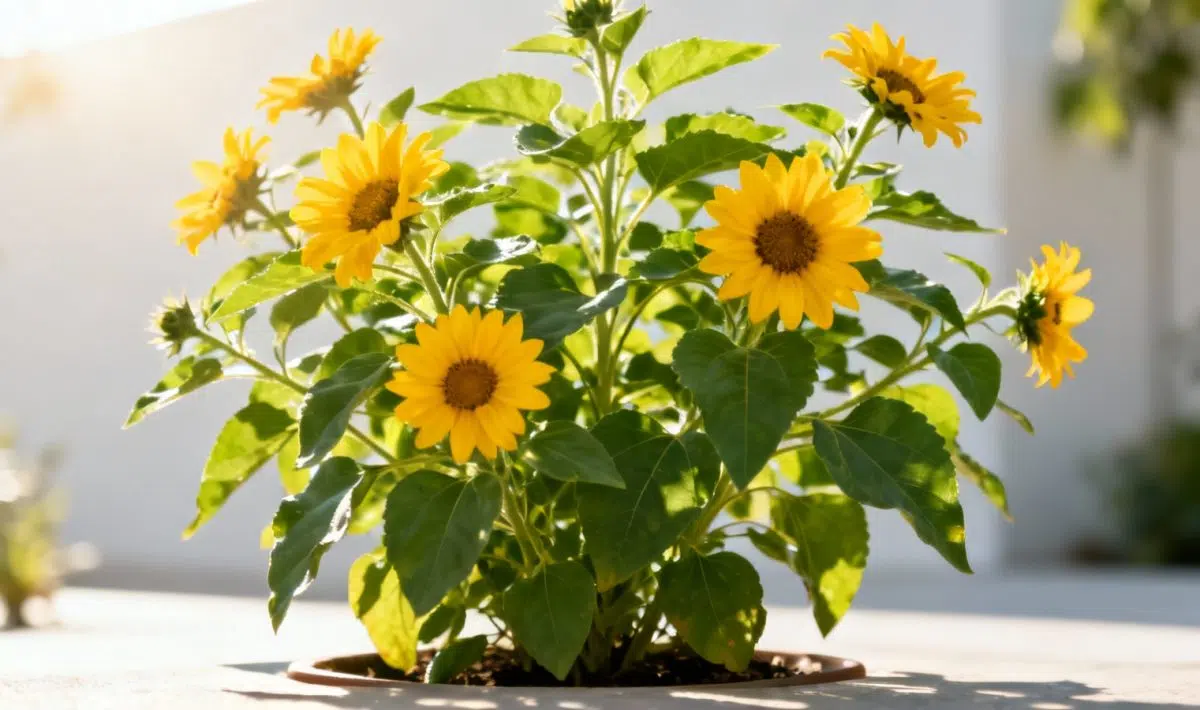
How much sunlight does false sunflower need for optimal growth
When you’re planning your garden with vibrant, long-lasting flowers, false sunflower (Heliopsis helianthoides) stands out as a fantastic choice. These cheerful perennials bring sunshine to any garden space, but getting their sunlight requirements right is crucial for spectacular results. Understanding exactly how much sunlight does false sunflower need will help you create the perfect growing conditions for these beautiful blooms.
False sunflower thrives best with at least 6 hours of direct sunlight daily. This full sun exposure ensures vigorous growth, abundant flowering, and strong stems that can support the plant’s impressive height of 3 to 6 feet. When planted in optimal conditions, these perennials reward gardeners with bright yellow flowers from midsummer through early fall.
The plant can tolerate partial shade with 3 to 6 hours of direct sun, though this will result in fewer flowers and slightly leggier growth. For best results, choose a location that receives morning sun and some afternoon protection in extremely hot climates. This balance provides the energy the plant needs while preventing stress during peak heat hours.
Ideal growing conditions for heliopsis seeds
Starting from seeds offers an economical way to grow these stunning flowers. Heliopsis seeds germinate easily when planted in spring after the last frost. Plant them in well-draining soil with full sun exposure for optimal results. The seeds are quite small, so gentle care during the germination period ensures strong, healthy plants.
Much like other sun-loving plants, false sunflower benefits from consistent growing conditions. Similar to sunlight requirements for potato plants, providing adequate light from the start establishes robust root systems and vigorous growth patterns. Young plants establish quickly when given proper sun exposure and regular watering.
Planting instructions for success
When planting heliopsis seeds, follow these simple steps for best results:
Sow seeds directly in the garden in late spring or start indoors 6-8 weeks before the last frost
Plant seeds 1/4 inch deep in well-prepared soil
Keep soil consistently moist until germination occurs in 10-14 days
Space plants 18-24 inches apart to allow for mature size
Choose a location with excellent drainage and full sun exposure
Care and maintenance for thriving false sunflowers
Once established, false sunflowers are remarkably easy to grow and care for. These drought-tolerant perennials require minimal maintenance while providing maximum garden impact. Regular deadheading encourages continued blooming throughout the growing season, extending the flower display well into fall.
Watering needs are modest once plants are established. Deep, infrequent watering works best, allowing the soil to dry between waterings. This approach encourages deep root development and increases the plant’s natural drought tolerance. Just as ideal sunlight for growing coriander requires specific conditions, false sunflower responds well to consistent care practices.
Seasonal care tips
Spring marks the perfect time for dividing established clumps every 3-4 years. This process rejuvenates older plants and provides new plants for other garden areas. Cut back spent stems in late fall or early spring, leaving about 4 inches of stem above ground level.
Fertilizing requirements are minimal for these adaptable plants. A light application of compost in spring provides sufficient nutrients for the growing season. Over-fertilizing can actually reduce flower production and create overly lush foliage at the expense of blooms.
Troubleshooting common growing challenges
While false sunflowers are generally problem-free, understanding potential issues helps ensure garden success. Poor flowering often indicates insufficient sunlight, so relocating plants to sunnier locations usually resolves this problem. Weak, floppy stems typically result from too much shade or excessive nitrogen fertilization.
Pest problems are rare, though occasional aphids may appear on new growth. These soft-bodied insects are easily managed with insecticidal soap or strong water sprays. Good air circulation around plants helps prevent fungal issues, especially in humid climates.
Maximizing flower production
For continuous blooms throughout the season, regular deadheading proves essential. Remove spent flowers by cutting back to the next set of buds or leaves. This practice redirects the plant’s energy into producing new flowers rather than setting seeds.
Companion planting with other sun-loving perennials creates stunning garden displays. Consider pairing false sunflowers with purple coneflowers, black-eyed Susans, or ornamental grasses. These combinations provide varied textures and extended bloom periods. Much like optimal light conditions for dragon fruit, understanding each plant’s specific needs creates harmonious garden relationships.
Varieties and selection tips
Several heliopsis varieties offer different characteristics while maintaining the same basic sunlight requirements. ‘Summer Nights’ features darker foliage with bright yellow flowers, while ‘Loraine Sunshine’ displays striking variegated leaves. ‘Bleeding Hearts’ produces semi-double blooms for added texture.
When purchasing seeds or plants, choose reputable suppliers who provide detailed growing instructions and variety descriptions. Quality seeds ensure better germination rates and more vigorous plants. Many customers report fantastic results when starting with high-quality heliopsis seeds from trusted sources.
Long-term garden planning
False sunflowers work exceptionally well in naturalized areas and prairie-style plantings. Their self-seeding habit creates informal colonies over time, though they’re never aggressive spreaders. This characteristic makes them perfect for low-maintenance garden areas.
Consider the mature size when planning garden layouts. These plants can reach impressive heights, making them excellent background plants or natural screens. Their sturdy stems rarely require staking, even in windy locations. Similar to necessary sunlight for orchard grass, proper placement ensures optimal performance and visual impact.
Enjoying your false sunflower success
With proper sunlight and basic care, false sunflowers provide years of reliable garden color. These versatile perennials adapt to various soil types and weather conditions while maintaining their cheerful appearance. Their long bloom period and excellent cut flower qualities make them valuable additions to any sunny garden space.
The satisfaction of growing these beautiful flowers from seeds adds to their appeal. Watching tiny seeds transform into tall, flower-laden plants brings genuine happiness to gardeners of all experience levels. Whether you’re creating a cottage garden or modern landscape, false sunflowers deliver consistent performance and stunning visual impact throughout the growing season.
Allan is a lifelong gardening enthusiast who still gets excited when the first seedlings pop up in spring. With a deep love for nature and a hands-in-the-soil approach, he shares practical tips, plant discoveries, and clever tricks picked up over years of digging, planting, and observing. Whether you’re a new gardener or have a shed full of tools, Allan writes like a neighbor who’s always happy to swap cuttings and stories over the fence.
You can find more about Allan’s work on Malt or connect with him on LinkedIn.