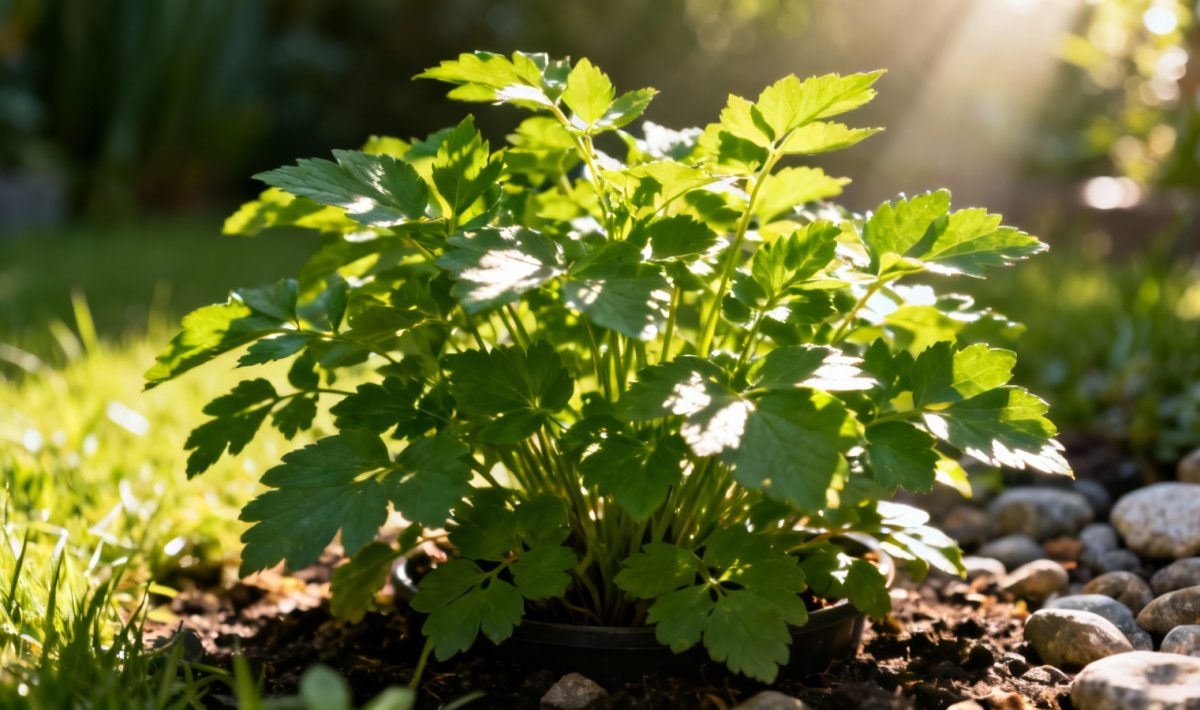
When planning your garden layout, determining how much sunlight does False buck’s beard need becomes crucial for successful cultivation. This elegant perennial, scientifically known as Astilbe, thrives in specific light conditions that differ from many other flowering plants. Originally from woodland areas in Asia and North America, False buck’s beard has adapted to filtered light environments rather than harsh direct sun exposure.
The key to success lies in understanding that this plant performs best with 3 to 6 hours of indirect or partial sunlight daily. Unlike plants that crave full sun conditions, False buck’s beard actually suffers when exposed to intense, prolonged direct rays. This makes it an ideal choice for those challenging spots in your field or garden where other flowering plants might struggle.
Optimal light conditions for healthy growth
False buck’s beard flourishes in partial shade conditions, particularly when it receives gentle morning sunlight followed by afternoon protection. The original habitat of these plants consisted of forest floors and woodland edges, where they naturally received dappled light throughout the day. This type of environment provides the perfect balance of illumination without the stress of harsh midday sun.
For best results, position your Astilbe where it can enjoy 1 to 2 hours of direct morning sun, then benefit from filtered or indirect light for the remainder of the day. This arrangement allows the plant to photosynthesize effectively while avoiding the heat stress that can lead to wilting and leaf burn. Much like how sunlight requirements for growing pineapple vary based on climate zones, False buck’s beard adapts its light needs according to your local conditions.
Seasonal considerations for light exposure
Throughout the year, your False buck’s beard’s light requirements may shift slightly. During spring months, when the plant is establishing new growth, it can tolerate slightly more direct sunlight. However, as summer temperatures rise, providing adequate shade becomes increasingly important. The intense heat combined with direct sun can quickly overwhelm these moisture-loving plants.
In autumn, as temperatures cool, your Astilbe can again handle a bit more direct light. Winter dormancy means light requirements are minimal, making this the perfect time to evaluate your garden’s sun patterns and plan any necessary adjustments for the following growing season.
Field placement strategies for optimal results
When selecting the right territory for your False buck’s beard, consider areas that receive morning sun but afternoon shade. North-facing slopes, locations under high tree canopies, or spots near buildings that provide natural afternoon shade work exceptionally well. These locations mimic the plant’s natural woodland habitat while ensuring adequate light for photosynthesis.
Avoid placing your Astilbe in full sun locations, especially in warmer climate zones. The combination of intense heat and direct sunlight can cause significant stress, leading to reduced flowering, leaf scorching, and overall poor plant health. Instead, look for areas that receive what gardeners call “bright shade” – locations with good ambient light but protection from direct rays.
Companion planting for light management
Strategic companion planting can help create ideal light conditions for your False buck’s beard. Taller perennials or small ornamental trees can provide natural shade while still allowing filtered light to reach your Astilbe. This approach works similarly to how optimal sunlight for growing watermelon requires careful planning, though with opposite objectives.
Consider pairing your False buck’s beard with hostas, ferns, or other shade-loving plants that share similar growing requirements. This type of arrangement creates a cohesive garden design while ensuring each plant receives appropriate light levels throughout the growing season.
Climate zone adaptations
Your local climate zone significantly influences how much sunlight your False buck’s beard can tolerate. In cooler northern regions (USDA zones 4-6), these plants can handle more direct sunlight than in warmer southern areas. The combination of temperature and light intensity determines the optimal growing conditions for your specific location.
In warmer zones (7-9), providing more shade becomes essential for plant survival. The intense heat combined with direct sunlight can quickly damage foliage and stress the plant’s root system. Consider using shade cloth or natural barriers to filter intense afternoon sun during peak summer months.
Signs of improper light exposure
Recognizing the signs of incorrect light levels helps you adjust care accordingly. Too much direct sunlight typically causes leaf edges to brown, flowers to fade quickly, and overall plant wilting during hot afternoons. Conversely, insufficient light results in leggy growth, reduced flowering, and pale foliage color.
If you notice these symptoms, evaluate your plant’s current location and consider relocating or providing additional shade or light as needed. The goal is finding that sweet spot where your False buck’s beard receives adequate illumination without suffering from heat or light stress.
Maximizing flowering potential
Proper light management directly impacts your False buck’s beard’s flowering performance. Plants receiving optimal light conditions produce more abundant, longer-lasting blooms with richer colors. The key lies in providing enough light for energy production while preventing the stress that reduces flower production.
During the growing season, monitor your plant’s performance and adjust care as needed. If flowering seems reduced compared to previous years, consider whether changes in surrounding vegetation or structures have altered the light conditions. Sometimes simple adjustments, like pruning nearby shrubs or relocating containers, can dramatically improve results.
Seasonal care adjustments
As seasons change, so should your approach to managing light exposure. Spring offers opportunities to assess winter damage and plan any necessary relocations. Summer requires vigilant monitoring for heat stress and providing additional shade if needed. Just as sunlight needs for spearmint growth require seasonal awareness, False buck’s beard benefits from attentive seasonal care.
Autumn preparation involves ensuring your plants are well-positioned for winter protection while still receiving adequate light for late-season photosynthesis. This careful attention to seasonal needs helps ensure vigorous growth and spectacular blooms year after year.
Advanced growing techniques
For gardeners seeking to maximize their False buck’s beard’s potential, understanding microclimates within your property can make a significant difference. Areas near water features often provide the perfect combination of humidity and filtered light that these plants crave. Similarly, locations with consistent air circulation help prevent the fungal issues that can arise in overly humid, stagnant conditions.
Consider using natural or artificial structures to create ideal growing conditions. Pergolas, lattice screens, or strategically placed shrubs can provide the dappled light effect that mimics woodland conditions. This approach works particularly well in areas where natural shade is limited but direct sun is too intense. Much like how Japanese meadowsweet sunlight requirements benefit from thoughtful placement, False buck’s beard rewards careful attention to light management.
Container growing considerations
When growing False buck’s beard in containers, mobility becomes an advantage for light management. You can move plants to optimize light exposure throughout the day or season, ensuring they receive morning sun and afternoon shade regardless of your property’s natural conditions. This flexibility allows gardeners with challenging light conditions to successfully cultivate these beautiful perennials.
Container placement also enables experimentation with different light levels to determine what works best in your specific climate. Start with the recommended 3 to 6 hours of indirect light, then adjust based on your plant’s response and local weather patterns.
Long-term success strategies
Establishing False buck’s beard successfully requires patience and observation during the first growing season. Pay attention to how your plants respond to their chosen location, noting any signs of stress or exceptional vigor. This information becomes invaluable for future planting decisions and care adjustments.
Remember that young plants may have slightly different light tolerances than established specimens. Newly planted False buck’s beard often benefits from extra protection during their first summer while their root systems develop. Once established, these hardy perennials become quite resilient within their preferred growing conditions.
Success with False buck’s beard ultimately depends on understanding that less direct sunlight often means more beautiful, longer-lasting blooms. By providing the right balance of light and shade, you’ll enjoy spectacular flower displays that brighten your garden’s shadier corners for years to come.
Allan is a lifelong gardening enthusiast who still gets excited when the first seedlings pop up in spring. With a deep love for nature and a hands-in-the-soil approach, he shares practical tips, plant discoveries, and clever tricks picked up over years of digging, planting, and observing. Whether you’re a new gardener or have a shed full of tools, Allan writes like a neighbor who’s always happy to swap cuttings and stories over the fence.
You can find more about Allan’s work on Malt or connect with him on LinkedIn.