
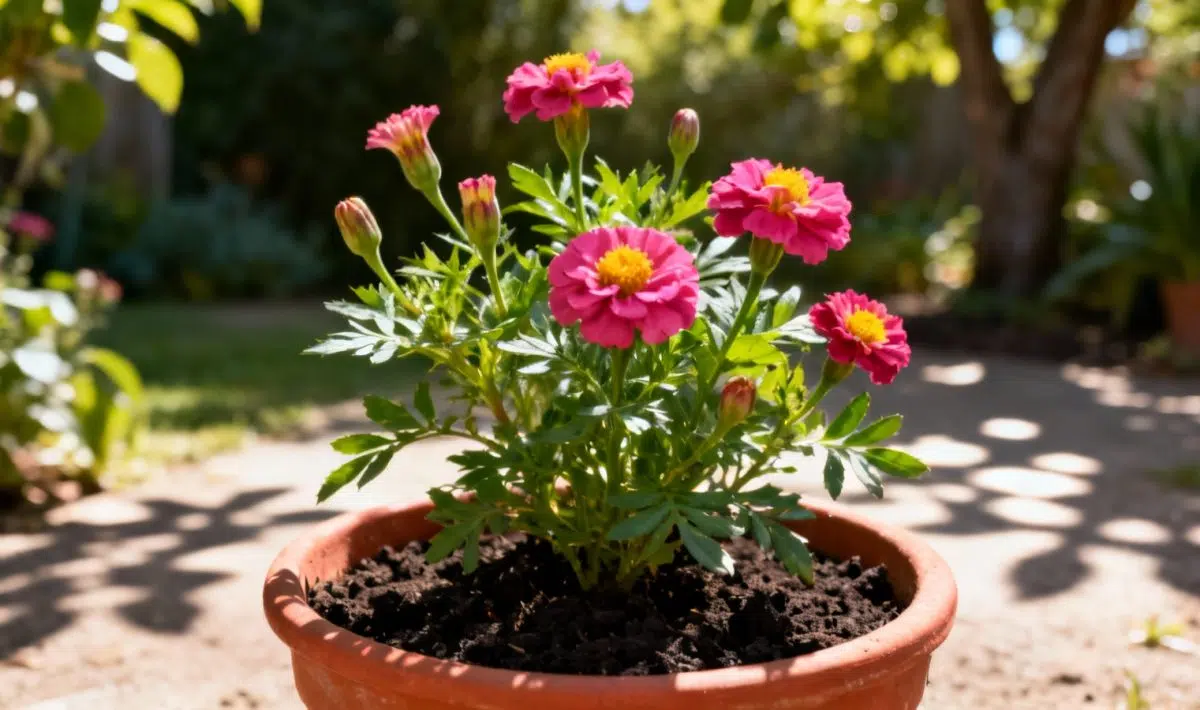
Understanding pot marigold sunlight requirements
Pot marigold, also known as Calendula officinalis, is a delightful annual flower that brings vibrant colors to gardens while offering numerous benefits. These hardy plants are particularly appreciated for their cheerful blooms and easy-care nature. However, understanding their sunlight needs is crucial for successful cultivation and achieving those stunning pink and orange flowers that gardeners love so much.
The key to growing healthy pot marigold lies in providing the right amount of light exposure. These plants have evolved to thrive in specific conditions, and getting the sunlight balance correct will determine whether you enjoy abundant blooms or struggle with poor flowering. Many gardeners wonder exactly how much sunlight their marigold plants need to flourish throughout the growing season.
Optimal sunlight exposure for pot marigold
Pot marigold plants perform best with 6 to 8 hours of direct sunlight per day. This full sun exposure encourages vigorous growth, abundant flowering, and strong stems that can support the weight of multiple blooms. When plants receive adequate sunlight, they develop their characteristic bright colors more intensely, creating that sought-after garden display.
Morning sunlight is particularly beneficial for these flowers, as it helps dry any overnight moisture from the leaves and reduces the risk of fungal diseases. The intense midday sun during summer months can sometimes stress the plants, so providing some afternoon shade in extremely hot climates can be helpful. This approach ensures continuous blooming from early summer until the first frost arrives.
While pot marigold tolerates partial shade conditions, plants grown in these areas typically produce fewer flowers and may develop weaker stems. Just as sunlight requirements for growing pineapple vary based on climate conditions, marigold light needs can be adjusted slightly depending on your local weather patterns and garden microclimate.
Creating the perfect growing environment
Selecting the right location for your pot marigold seeds involves more than just considering sunlight hours. The soil should be well-draining and moderately fertile, as waterlogged conditions can lead to root rot even with perfect light exposure. These adaptable plants actually prefer slightly poor soil over overly rich conditions, which can promote excessive foliage growth at the expense of flowers.
When planning your garden layout, consider how surrounding plants might affect light availability throughout the day. Tall structures, trees, or other garden features can create unexpected shade patterns that change as the sun moves across the sky. Observing your garden at different times helps identify the best spots for maximum light exposure.
Wind protection is another important factor to consider alongside sunlight requirements. While these plants are quite sturdy, strong winds combined with intense sunlight can cause stress and reduce flowering performance. A location with good air circulation but protection from harsh winds creates ideal growing conditions for healthy plant development.
Maximizing flower production with proper care
Regular deadheading encourages continuous blooming and prevents the plants from going to seed too early in the season. This simple maintenance task, combined with adequate sunlight, can extend the flowering period significantly. Many gardeners find that well-placed marigold plants bloom prolifically from summer through fall with minimal intervention required.
Watering practices should complement the sunlight exposure your plants receive. Deep, infrequent watering works best, allowing the soil to dry slightly between applications. This approach encourages deep root development and helps plants cope better with intense sunlight during hot weather. Much like optimal sunlight for watermelon growth requires balanced care practices, marigolds benefit from consistent maintenance routines.
Organic fertilization can boost flower production without encouraging excessive vegetative growth. A balanced, slow-release organic fertilizer applied at planting time usually provides sufficient nutrition for the entire growing season. Over-fertilizing can actually reduce flowering and make plants more susceptible to pest problems.
Benefits of growing organic pot marigold
Choosing organic seeds for your pot marigold ensures you’re getting plants free from synthetic chemicals and treatments. These seeds often demonstrate better germination rates and produce more resilient plants that adapt well to varying light conditions. Quality organic seeds also maintain the genetic diversity that makes these flowers so adaptable to different garden situations.
Organic growing practices create a healthier garden ecosystem that supports beneficial insects and pollinators. Pot marigold flowers are excellent for attracting butterflies and bees, while their natural pest-deterrent properties help protect nearby vegetables and other ornamental plants. This makes them valuable companion plants in organic gardening systems.
The flowers themselves offer multiple uses beyond garden decoration. Many gardeners harvest the petals for culinary purposes or craft projects, making organic cultivation even more important. Similar to how ideal sunlight for growing spearmint affects herb quality, proper light exposure enhances the beneficial compounds in marigold petals.
Common challenges and solutions
One frequent issue gardeners encounter is poor flowering despite adequate sunlight. This problem often stems from soil that’s too rich in nitrogen, which promotes leaf growth over flower production. Reducing fertilizer applications and choosing a more balanced nutrient ratio typically resolves this issue quickly.
Pest problems can also affect plants even when light conditions are perfect. Aphids occasionally target young growth, but these soft-bodied insects are easily controlled with organic methods. Regular inspection and early intervention prevent minor pest issues from becoming major problems that could affect plant health and flowering.
Disease prevention relies heavily on proper cultural practices combined with adequate sunlight. Good air circulation, appropriate watering techniques, and removing spent flowers help prevent fungal issues that can develop in humid conditions. Just as sunlight needs for Japanese meadowsweet influence plant health, marigold light exposure directly affects disease resistance.
Seasonal considerations for optimal growth
Spring planting timing affects how well plants establish before summer heat arrives. Starting seeds indoors 6-8 weeks before the last frost date gives young plants time to develop strong root systems. These well-established plants handle the transition to full outdoor sunlight much better than direct-sown seeds.
Summer care focuses on maintaining adequate moisture while ensuring plants receive their full sunlight requirements. Mulching around plants helps retain soil moisture and keeps roots cool during intense heat periods. This practice is particularly important in regions with long, hot summers where afternoon shade might be beneficial.
Fall growing extends the blooming season well into autumn when many other flowers have finished. The cooler temperatures and lower light intensity of fall actually enhance flower color in many varieties. Plants often produce their most vibrant blooms during this season, making it worthwhile to succession plant for extended color.
Choosing the right varieties for your conditions
Different pot marigold varieties have slightly varying light requirements, though most perform best with full sun exposure. Pink-flowered varieties are particularly striking and often show improved color intensity with adequate sunlight. These cultivars typically require the same 6-8 hours of direct sun as traditional orange varieties.
Compact varieties work well in containers where light exposure can be more easily controlled by moving pots throughout the day. Taller varieties are better suited for garden beds where they can receive consistent all-day sunlight. Understanding these differences helps ensure you select varieties that match your garden conditions and sunlight availability.
Heirloom varieties often demonstrate better adaptability to varying light conditions compared to heavily hybridized types. These time-tested cultivars have developed natural resilience that helps them perform well even when conditions aren’t absolutely perfect. This makes them excellent choices for beginning gardeners or those with challenging growing conditions.

Allan is a lifelong gardening enthusiast who still gets excited when the first seedlings pop up in spring. With a deep love for nature and a hands-in-the-soil approach, he shares practical tips, plant discoveries, and clever tricks picked up over years of digging, planting, and observing. Whether you’re a new gardener or have a shed full of tools, Allan writes like a neighbor who’s always happy to swap cuttings and stories over the fence.
You can find more about Allan’s work on Malt or connect with him on LinkedIn.


