
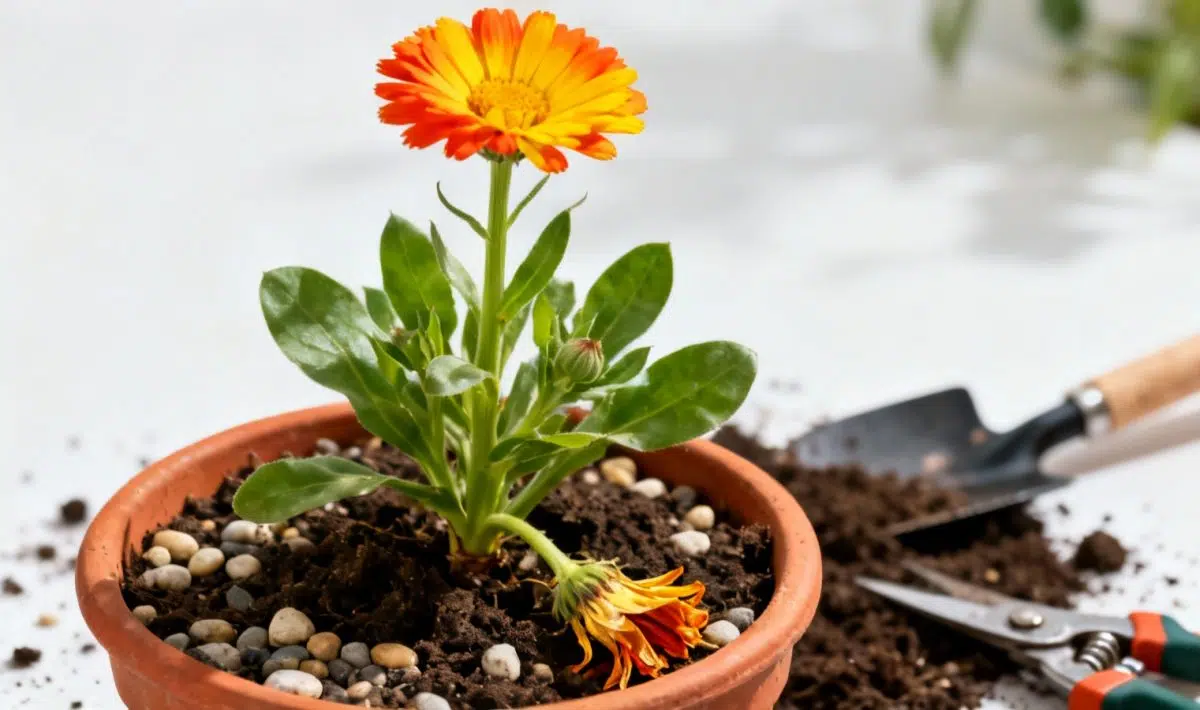
The vibrant pot marigold – Calendula officinalis stands out as one of the most rewarding plants you can grow in your garden. With its cheerful orange and yellow fleurs that open and close with the sun, this remarkable plante offers both beauty and practical benefits. Whether you’re seeking medicinal properties, edible flowers, or simply stunning garden displays, calendula delivers exceptional value for gardeners of all levels.
Understanding Calendula officinalis characteristics
Calendula officinalis, commonly known as pot marigold, is an annual herbaceous plant that typically reaches 8 to 24 inches (20-60 cm) in height. The plant produces stunning fleurs measuring 1 to 2 inches (2.5-5 cm) in diameter, displaying vibrant orange and yellow hues that make any jardin come alive. These flowers are not just beautiful – they’re completely edible, along with the leaves and stems.
The botanical famille of calendula belongs to the Asteraceae, sharing characteristics with other well-known garden plantes. What sets this officinal plant apart is its incredible versatility and low-maintenance nature. The feuilles are paddle-shaped and slightly sticky to the touch, while the plant develops a bushy, compact growth habit that fits perfectly in borders, containers, or herb gardens.
Unlike the common African marigold, pot marigold thrives in cooler temperatures, making it an excellent choix for spring and fall gardening. The plant’s ability to self-seed ensures continuous displays year after year, though you can easily control this trait through proper deadheading techniques.
Medicinal and practical uses of pot marigold
The officinal properties of calendula have been treasured for centuries, earning it the nickname “poor man’s safran” due to its natural teinture capabilities. The bright orange capitules contain beneficial compounds that make them valuable for various applications. These propriétés include anti-inflammatory and healing benefits that have made calendula a staple in traditional herbal medicine.
Modern gardeners appreciate calendula’s dual nature as both ornamental and functional. The fleur petals can be harvested and dried for tisane preparations, or used fresh in salads and culinary creations. For those interested in natural remedies, learning more about plant care principles, such as those used for care for the apricot tree, can enhance your overall gardening knowledge.
The couleur intensity of calendula makes it excellent for natural dyeing projects, while its pest-repelling qualities benefit neighboring plants in companion planting schemes. These multiple uses make calendula an incredibly valuable addition to any practical garden space.
Growing conditions for optimal calendula culture
Success with calendula culture begins with understanding its preferred growing conditions. This adaptable plant performs best in temperatures between 60°F and 70°F (15-21°C), making it perfect for printemps and fall gardening in most climates. While calendula tolerates various sol types, it truly excels in fertile, well-draining soil enriched with organic matter.
Soleil exposure plays a crucial role in calendula development. Provide at least 6 hours of direct sunlight daily for the most abundant floraison, though the plant tolerates partial shade in hotter climates. During establishment, maintain consistent moisture levels by providing 1 to 1.5 inches (2.5-3.8 cm) of water weekly, but avoid overwatering to prevent root rot.
The beauty of calendula lies in its forgiving nature – it actually performs well in poor sol conditions, though adding compost or well-aged engrais will boost flower production significantly. This resilience makes it an excellent choix for beginning gardeners or those dealing with challenging garden conditions.
Semis and propagation techniques
Propagating calendula from graines offers the most reliable and cost-effective method for establishing healthy plants. The large, crescent-shaped graines germinate easily under proper conditions, making this an ideal project for gardeners of all experience levels. Start your semis 6-8 weeks before the last expected frost date for best results.
For direct sowing in the jardin, wait until soil temperatures reach at least 60°F (15°C) and scatter graines lightly over prepared soil, covering with just 1/4 inch of soil. The seeds typically germinate within 7-14 days under favorable conditions. Space your plants 6-12 inches apart to allow proper air circulation and prevent crowding.
Indoor semis require temperatures around 65-70°F (18-21°C) for optimal germination. Start graines in seed trays filled with quality potting mix, and transplant seedlings once they develop their second set of true feuilles. Just as with other garden vegetables like tips for growing cucumbers, proper timing and technique ensure strong, healthy plants.
Plant care and maintenance essentials
Maintaining healthy calendula plants requires minimal effort once established. Regular deadheading of spent capitules encourages continuous blooming throughout the growing season while preventing unwanted self-seeding. Pinch or cut flowers just above the next set of leaves to promote bushy growth and more flower production.
Watering needs remain moderate throughout the growing season. Deep, infrequent watering works better than frequent shallow applications, encouraging strong root development. During hot summer periods, morning watering helps plants cope with afternoon heat stress while reducing the risk of foliar diseases.
While calendula rarely requires fertilization in good soil, a light application of balanced engrais every 4-6 weeks can boost flower production. Avoid high-nitrogen fertilizers, which promote excessive foliage growth at the expense of blooms. For gardeners managing multiple plant types, understanding diverse care needs, such as caring for Madagascar dragon tree, broadens your horticultural skills.
Varieties and selection considerations
Modern plant breeding has produced numerous calendula variétés, each offering unique characteristics for different garden applications. Traditional orange varieties like ‘Prince Orange’ provide classic appeal, while newer cultivars offer expanded color ranges including pale yellows, deep oranges, and even cream-colored blooms.
Compact variétés work exceptionally well in containers and small spaces, typically reaching 12-15 inches in height with prolific flower production. Taller varieties suit cut flower gardens and background plantings, often producing larger blooms perfect for harvesting. Consider your intended use when selecting varieties – culinary applications benefit from organically grown, pesticide-free plants.
Double-flowered forms create impressive displays but may have reduced accessibility for beneficial insects compared to single-flowered types. Balance ornamental appeal with ecological benefits by including both types in your garden design, creating diverse habitats that support local wildlife while meeting your aesthetic goals.
Harvesting and preservation methods
Proper harvesting maximizes the benefits of your calendula plants. Collect fleurs in the morning after dew has evaporated but before the heat of the day. Choose fully opened blooms for the highest concentration of beneficial compounds and best couleur retention during preservation.
Fresh petals can be used immediately in salads, soups, or decorative applications. For longer storage, dry the flower heads by spreading them on screens in a warm, well-ventilated area away from direct sunlight. Properly dried calendula retains its properties for up to a year when stored in airtight containers.
When harvesting for culinary or medicinal purposes, focus on the petals rather than the entire flower head. The green parts can be bitter and are generally avoided in most applications. Regular harvesting encourages continued blooming and prevents the plant from going to seed too early in the season.
Common challenges and solutions
While calendula is generally pest-resistant, certain issues can affect plant health and performance. Aphids occasionally target tender new growth, but these can be managed through beneficial insect attraction or gentle water spraying. The plant’s natural pest-deterrent properties make it valuable in companion planting schemes with more susceptible crops.
Powdery mildew may appear in humid conditions or overcrowded plantings. Ensure adequate spacing between plants and avoid overhead watering in the evening to minimize fungal issues. If problems persist, organic fungicidal treatments provide effective control without compromising the plant’s edible qualities.
Poor flowering often results from excessive nitrogen or insufficient sunlight. Adjust fertilization practices and consider relocating plants to sunnier locations for better performance. Understanding general plant health principles, such as those applied in learn about common sowthistle, helps diagnose and address various garden challenges effectively.
Integration with garden ecosystems
Calendula’s ecological value extends far beyond its ornamental appeal. The bright fleurs attract beneficial insects including bees, butterflies, and hoverflies, supporting pollinator populations essential for garden health. This makes it an excellent companion for fruit and vegetable gardens requiring pollination services.
The plant’s allelopathic properties help suppress certain weeds and soil-borne pests, making it valuable in organic gardening systems. Interplanting calendula with vegetables like tomatoes, beans, and brassicas can improve overall garden health while adding visual interest to productive spaces.
Consider incorporating calendula into herb spirals, cottage garden designs, or permaculture systems where its multiple functions contribute to overall garden sustainability. Its self-seeding nature helps establish permanent populations that return year after year with minimal intervention, much like other resilient garden plants such as growing red raspberry plants.
The remarkable pot marigold proves that beautiful plants can also be incredibly practical. From its stunning orange blooms to its valuable medicinal propriétés, Calendula officinalis deserves a place in every garden. Whether you’re growing it for its healing benefits, culinary applications, or simply for the joy of its cheerful fleurs, this versatile plant rewards gardeners with minimal effort and maximum satisfaction. Start with a small patch this season, and you’ll likely find yourself expanding your calendula collection as you discover its many benefits and simple culture requirements.

Allan is a lifelong gardening enthusiast who still gets excited when the first seedlings pop up in spring. With a deep love for nature and a hands-in-the-soil approach, he shares practical tips, plant discoveries, and clever tricks picked up over years of digging, planting, and observing. Whether you’re a new gardener or have a shed full of tools, Allan writes like a neighbor who’s always happy to swap cuttings and stories over the fence.
You can find more about Allan’s work on Malt or connect with him on LinkedIn.


