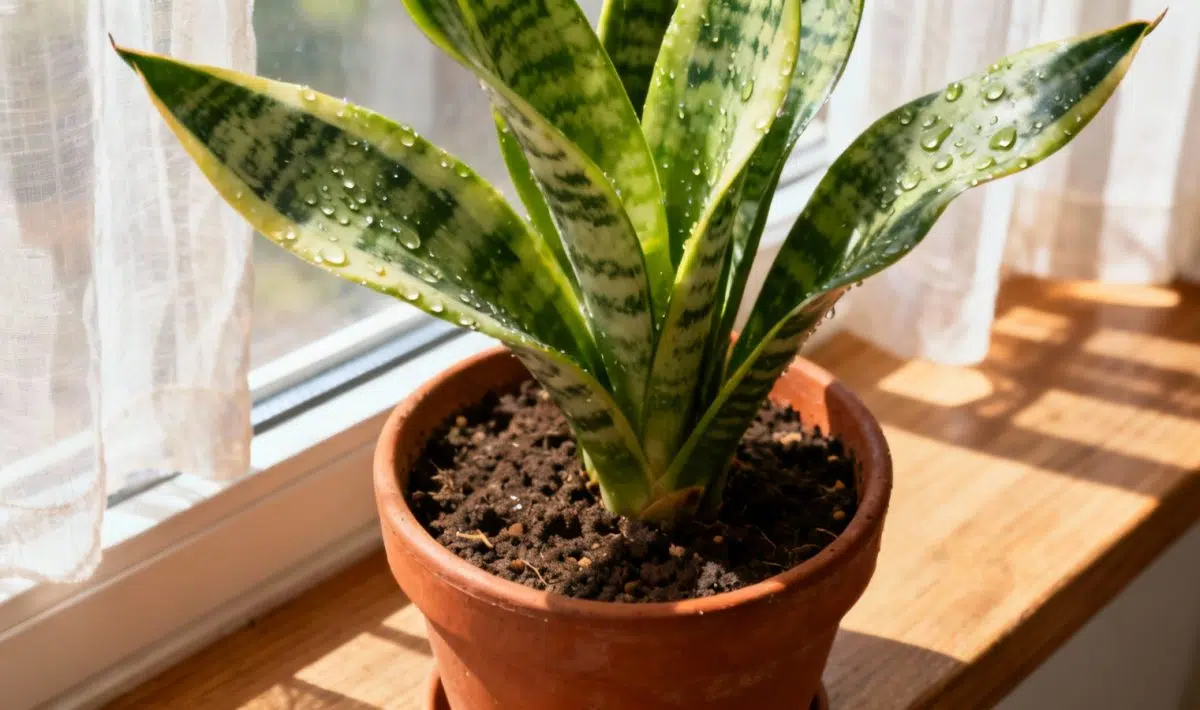
How often should you water your variegated snake plant for optimal care
Today, I’m sharing something that will make your variegated snake plant absolutely thrive. After years of growing these gorgeous plants, I’ve learned that watering frequency can make or break your plant’s health. How often should you water your variegated snake plant? The simple answer is every 2-3 weeks, but there’s much more to consider for optimal growth.
Your variegated snake plant stores water in those thick, beautiful leaves. This means they’re naturally drought-tolerant but extremely sensitive to overwatering. These plants would rather be thirsty than drowning, and understanding this fundamental trait will save you from many plant disasters.
When you don’t water enough, your plant might show slight leaf wrinkling or slower growth. However, excessive watering leads to root rot, yellowing leaves, and potentially losing your entire plant. The key is finding that sweet spot where your plant gets enough moisture without sitting in soggy soil.
Factors that influence watering frequency
Soil type and drainage capabilities
The soil you choose dramatically affects how often you’ll need to water. Well-draining potting mix with perlite or sand allows excess water to escape quickly. Heavy, clay-based soil retains moisture longer, meaning you’ll water less frequently but risk root problems.
I always recommend a cactus or succulent mix for snake plants. This type of soil dries out completely between waterings, which is exactly what these plants crave for healthy growth.
Light conditions and their impact
Plants in bright, indirect light use water more quickly than those in low-light areas. If your variegated snake plant sits near a sunny window, you might need to water every 2 weeks during growing season. However, plants in dimmer spots can easily go 3-4 weeks between waterings.
Bright light encourages more active growth, which means higher water consumption. Keep this in mind when determining your watering schedule, and adjust accordingly based on your plant’s location.
Temperature and humidity factors
Warm temperatures speed up water evaporation from both soil and leaves. During hot summer months, you might notice your plant needs water more frequently. Conversely, cool winter temperatures slow down the plant’s metabolism, reducing water needs significantly.
Low humidity environments also cause soil to dry faster. However, snake plants actually prefer lower humidity, so this works in their favor as long as you monitor soil moisture levels carefully.
Seasonal watering schedules for optimal care
Growing season watering (spring and summer)
During active growth periods, your plant will appreciate slightly more frequent watering. Check the soil every 7-10 days, and water when the top 2-3 inches feel completely dry. This usually translates to watering every 2 weeks for most indoor conditions.
Summer heat can increase water needs, especially if your plant receives bright morning light near a window. Just like with watering Jade plants effectively, consistency matters more than strict schedules during peak growing months.
Dormant season care (fall and winter)
Winter watering requires extra caution. Your plant’s growth slows dramatically, and it can easily go 3-4 weeks between waterings. Some gardeners only water once per month during the coldest months, and their plants thrive.
Cold soil takes longer to dry out, and root rot risk increases during this period. When in doubt, wait another few days before watering. Your plant will thank you for the restraint.
How to determine when your plant needs water
Soil moisture testing techniques
The finger test works perfectly for snake plants. Stick your finger 2-3 inches deep into the soil. If you feel any moisture, wait a few more days. Only water when the soil feels completely dry at this depth.
You can also use a wooden skewer or moisture meter for more precise readings. Insert it into the soil and check the reading or look for soil particles sticking to the wood. Dry soil means it’s time to water.
Visual and physical cues
Healthy snake plant leaves should feel firm and upright. Slightly soft or wrinkled leaves might indicate underwatering, while yellow, mushy leaves suggest overwatering problems.
The pot weight method also works well. Lift your pot when the soil is dry, then again after watering. You’ll quickly learn to recognize the difference and can gauge watering needs by weight alone.
Best practices for healthy snake plant care
Proper watering techniques
Water slowly and thoroughly until excess drains from the bottom holes. This ensures the entire root system gets moisture while flushing out accumulated salts. Empty the drainage tray after 30 minutes to prevent water from sitting around the roots.
Room temperature water works best, as cold water can shock the roots. Pour water directly onto the soil surface, avoiding the leaves to prevent potential rot issues.
Choosing the right potting medium
A quality cactus mix provides the perfect balance of nutrition and drainage. You can also create your own mix using regular potting soil, perlite, and coarse sand in equal parts.
Good drainage prevents many watering-related problems. Make sure your pot has adequate holes, and consider adding a layer of gravel at the bottom for extra drainage security. This approach works similarly to caring for Eve’s pin plants, where proper soil preparation prevents most issues.
Preventing water-related diseases
Root rot is the biggest threat to snake plants, but it’s entirely preventable with proper watering habits. Always err on the side of underwatering rather than overwatering. These resilient plants can recover from drought stress much easier than root damage.
Keep water away from the crown of the plant where new growth emerges. Standing water in this area can cause crown rot, which is often fatal. Similar to optimal care for African-lilies, protecting the plant’s growing points ensures long-term health.
Troubleshooting common watering problems
If your plant shows signs of overwatering like yellow, mushy leaves, stop watering immediately and check the roots. Healthy roots should be white or light colored, while rotted roots appear brown and soft.
For underwatering issues, gradually increase watering frequency rather than giving one large drink. This prevents shock and allows the plant to adjust slowly. The same gentle approach used for watering Japanese cherry trees properly applies to recovering stressed snake plants.
Remember that different varieties within the snake plant family might have slightly different needs. However, the basic principles of allowing soil to dry completely between waterings remain consistent across all types.
Creating your personal watering schedule
Start by checking your plant weekly during the first month. Note how quickly the soil dries in your specific conditions. This baseline helps you develop a personalized schedule that works for your home environment.
Keep a simple log of watering dates and soil conditions. After a few months, you’ll notice patterns that make future care decisions much easier. This systematic approach, similar to best practices for common mullein, ensures consistent care results.
Your variegated snake plant will reward proper watering with steady growth, vibrant coloring, and years of low-maintenance beauty. Trust the process, observe your plant’s responses, and adjust your care routine as needed. With patience and attention to these watering fundamentals, you’ll develop the confidence to keep your snake plant thriving for many years to come.
Allan is a lifelong gardening enthusiast who still gets excited when the first seedlings pop up in spring. With a deep love for nature and a hands-in-the-soil approach, he shares practical tips, plant discoveries, and clever tricks picked up over years of digging, planting, and observing. Whether you’re a new gardener or have a shed full of tools, Allan writes like a neighbor who’s always happy to swap cuttings and stories over the fence.
You can find more about Allan’s work on Malt or connect with him on LinkedIn.