
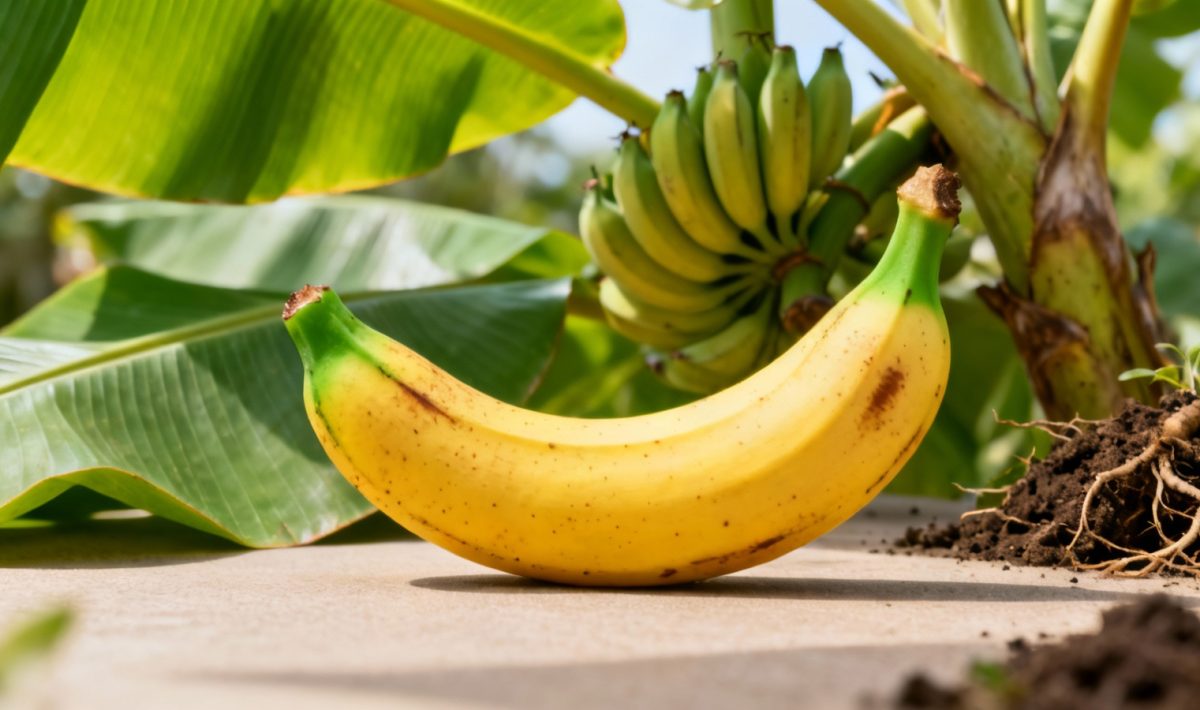
Understanding Musa acuminata: the foundation of edible bananas
The edible banana – Musa acuminata represents one of the world’s most important fruit crops, serving as a primary food source for millions of people across tropical and subtropical regions. This remarkable plant belongs to the genus Musa and forms the genetic backbone of most commercial banana cultivars we enjoy today. Originally native to Southeast Asia, particularly Malaysia, Indonesia, and the Philippines, this species has evolved over thousands of years to become the foundation of modern banana production.
The international significance of Musa acuminata cannot be overstated. From small-scale family gardens to massive commercial plantations, this versatile fruit plant provides both sustenance and economic opportunities across continents. The species has contributed its genetic material to create numerous hybrid varieties, including the popular Cavendish bananas that dominate global markets.
Historical development and genetic importance
Archaeological evidence suggests that Musa acuminata has been cultivated for over 7,000 years. The plant’s genome has been extensively studied by research centers, including CIRAD in Montpellier, France, revealing the complex genetic relationships that exist within banana cultivars. Scientists have discovered that most edible bananas result from hybridization between Musa acuminata and its relative Musa balbisiana.
The genetic diversity within Musa acuminata populations has enabled the development of varieties suited to different climatic conditions and cultural preferences. From the sweet dessert bananas common in international markets to the starchy cooking bananas preferred in many African countries, this species continues to provide the genetic foundation for banana improvement programs worldwide.
Botanical characteristics of the banana plant
Understanding the unique structure of Musa acuminata helps explain its remarkable productivity and adaptability. Despite its tree-like appearance, the banana plant is actually the world’s largest herbaceous flowering plant. What appears to be a trunk is technically a pseudostem, formed by tightly wrapped leaf sheaths that emerge from an underground rhizome.
The plant’s impressive height, typically ranging from 2 to 6 feet in container cultivation but reaching up to 20 feet in optimal outdoor conditions, makes it an striking addition to tropical landscapes. The large paddle-shaped leaves can span several feet in length, creating a distinctive tropical aesthetic that many gardeners find appealing.
Flowering and fruit development
The flowering process of Musa acuminata is truly fascinating to observe. After months of vegetative growth, the plant sends up a flower spike called an inflorescence through the center of the pseudostem. This dramatic emergence marks the beginning of the fruiting cycle, with the distinctive purple flower bud gradually revealing rows of developing bananas.
Female flowers develop into fruits without pollination, a process called parthenocarpy. This characteristic ensures consistent fruit production and explains why commercial bananas are seedless. The fruits develop in clusters called hands, with each hand containing multiple individual bananas or fingers.
Essential cultivation requirements for Musa acuminata
Successfully growing edible bananas requires attention to several critical environmental factors. Temperature plays the most crucial role, with optimal growth occurring between 75-85°F (24-29°C). The plants cannot tolerate frost and suffer damage when temperatures drop below 60°F (15°C) for extended periods.
Humidity requirements are equally important, with levels between 60-90% providing ideal conditions. In drier climates, regular misting of foliage helps maintain adequate moisture levels around the plant. Just as care and propagation of apricot trees requires specific environmental considerations, banana cultivation demands careful attention to microclimate management.
Soil preparation and nutrition
Musa acuminata thrives in rich, well-draining soil with a pH between 5.5 and 7.0. The soil should retain moisture while allowing excess water to drain freely, preventing root rot issues that can devastate banana plants. Incorporating plenty of organic matter such as compost or aged manure improves both drainage and nutrient retention.
The plant’s rapid growth rate demands consistent nutrition throughout the growing season. A balanced fertilizer program should include regular applications of nitrogen for leaf development, phosphorus for root establishment, and potassium for fruit quality. Monthly feeding during the active growing season supports healthy development and optimal fruit production.
Water management strategies
Consistent moisture is essential for banana cultivation, but waterlogged conditions quickly become problematic. The ideal watering approach maintains soil moisture similar to a wrung-out sponge – damp but not saturated. During hot weather, daily watering may be necessary, while cooler periods require less frequent irrigation.
Mulching around the base of the plant helps conserve soil moisture and suppress competing weeds. Organic mulches like shredded leaves or straw also decompose over time, adding valuable nutrients to the soil ecosystem.
Propagation techniques for banana plants
Unlike many fruit plants that grow from seeds, Musa acuminata propagates through vegetative methods that preserve the genetic characteristics of the parent plant. The most common approach utilizes suckers or pups that emerge from the underground rhizome system.
These natural offshoots can be carefully separated from the mother plant once they reach 12-18 inches in height and show well-developed root systems. The timing of sucker removal is crucial – too early and the young plant lacks sufficient energy reserves, while waiting too long allows the sucker to compete with the parent for resources.
Advanced propagation methods
Modern cultivation techniques have developed more sophisticated propagation methods for commercial production. Tissue culture, or in vitro propagation, allows for rapid multiplication of disease-free planting material. This technique has revolutionized banana production by enabling the mass production of uniform, healthy plants.
Research centers continue developing improved varieties through careful selection and breeding programs. Much like growing and caring for cucumbers benefits from modern horticultural advances, banana cultivation has embraced scientific approaches to enhance productivity and disease resistance.
Managing common challenges in banana cultivation
Disease management represents one of the most significant challenges facing banana growers worldwide. Black Sigatoka, a fungal disease, poses particular threats to commercial production and can devastate entire plantations if left unchecked. This disease manifests as dark streaks on leaves, eventually causing severe defoliation and reduced fruit quality.
Prevention strategies focus on maintaining good air circulation around plants, avoiding overhead watering that promotes fungal growth, and removing affected leaves promptly. Some newer varieties show improved resistance to common diseases, offering hope for more sustainable cultivation practices.
Pest control and plant protection
Various insects can affect banana plants, including aphids, spider mites, and nematodes that attack root systems. Regular monitoring helps detect problems early when intervention is most effective. Beneficial insects and biological control methods often provide sustainable solutions without relying heavily on chemical treatments.
Wind protection is equally important, as the large leaves and heavy fruit bunches make mature plants susceptible to wind damage. Staking or providing windbreaks helps protect plants in exposed locations, ensuring successful fruit development.
Harvesting and post-harvest considerations
Recognizing the proper harvest timing requires experience and careful observation. Bananas should be harvested while still green but fully developed, typically 75-85 days after flowering. The fruits continue ripening after harvest, allowing for better handling and transportation.
The harvesting process involves cutting the entire bunch from the plant, then breaking it down into smaller hands for easier handling. Proper post-harvest care, including gentle handling and appropriate storage conditions, maintains fruit quality and extends shelf life.
Nutritional benefits and culinary uses
Musa acuminata fruits provide exceptional nutritional value, containing significant amounts of potassium, vitamin C, and dietary fiber. The natural sugars provide quick energy, making bananas popular among athletes and active individuals. Different varieties offer varying textures and flavors, from sweet dessert types to starchy cooking varieties.
The versatility of banana fruits extends beyond fresh consumption. Many cultures incorporate bananas into traditional dishes, from fried plantains to banana-based desserts. Even the leaves serve purposes in cooking and food presentation in many tropical regions.
Future perspectives and sustainable cultivation
The future of Musa acuminata cultivation faces both opportunities and challenges. Climate change affects growing regions worldwide, requiring adaptation strategies and possibly shifting production areas. Research into climate-resilient varieties continues advancing, offering hope for maintaining stable production.
Sustainable cultivation practices are becoming increasingly important as environmental awareness grows. Integrated pest management, reduced chemical inputs, and biodiversity conservation help ensure long-term viability of banana production systems. Similar to how tips on caring for Madagascar dragon trees emphasize sustainable growing methods, banana cultivation benefits from environmentally conscious approaches.
Genetic diversity and conservation efforts
Maintaining genetic diversity within Musa acuminata populations remains crucial for long-term food security. Wild relatives of cultivated bananas contain valuable traits that could prove essential for future breeding programs. Conservation efforts focus on preserving these genetic resources for future generations.
International cooperation among research institutions facilitates the sharing of genetic material and knowledge. These collaborative efforts help ensure that banana cultivation can adapt to changing conditions and continue providing food security for millions of people worldwide.
The success of edible banana cultivation depends on understanding the complex interplay between genetics, environment, and management practices. Whether growing a single plant in a container or managing a commercial plantation, attention to the fundamental requirements of Musa acuminata ensures healthy growth and productive harvests. By appreciating the remarkable characteristics of this species and implementing proper care techniques, growers can enjoy the satisfaction of producing their own tropical fruits while contributing to the continuation of this ancient and vital crop. Just as understanding common sowthistle care requires specific knowledge, successful banana cultivation rewards those who invest time in learning proper techniques and providing appropriate growing conditions.

Allan is a lifelong gardening enthusiast who still gets excited when the first seedlings pop up in spring. With a deep love for nature and a hands-in-the-soil approach, he shares practical tips, plant discoveries, and clever tricks picked up over years of digging, planting, and observing. Whether you’re a new gardener or have a shed full of tools, Allan writes like a neighbor who’s always happy to swap cuttings and stories over the fence.
You can find more about Allan’s work on Malt or connect with him on LinkedIn.


