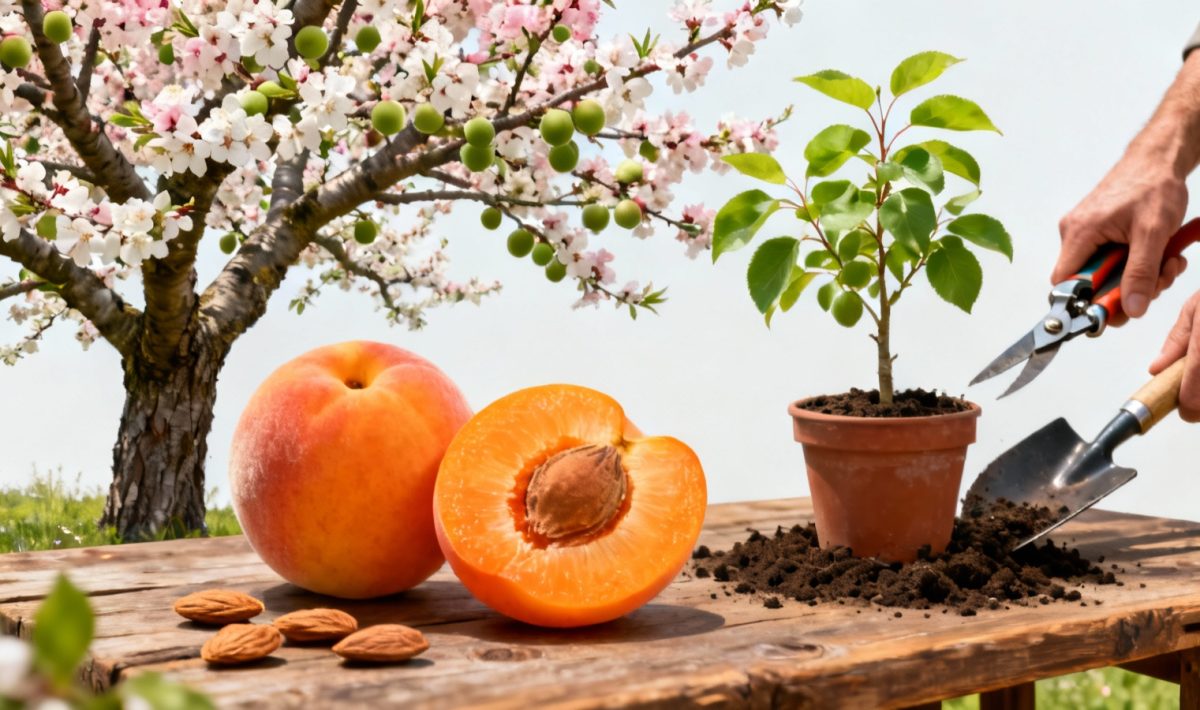
There’s something magical about biting into a perfectly ripe apricot on a warm summer day. The sweet, slightly tart flavor combined with that velvety skin makes Prunus armeniaca one of the most beloved stone fruits in gardens worldwide. Today, let’s explore everything you need to know about successfully growing these wonderful trees in your own space.
Apricot trees have been cherishing gardens for centuries, originating from regions of Central Asia before making their way to Europe and eventually North America. These versatile trees offer not only delicious fruits but also beautiful spring blossoms that signal the end of winter.
Understanding apricot tree characteristics
Apricot trees are deciduous members of the rose family, typically reaching heights of 15 to 20 feet when mature. Their distinctive heart-shaped leaves emerge after the spectacular early spring flowering display. The flowers appear before the foliage, creating clouds of pale pink to white blooms that are absolutely stunning.
These trees are self-fertile, meaning you only need one tree to produce fruit, though having multiple varieties can increase your harvest. The growing season varies depending on your location and chosen variety, with early cultivars ripening in late spring and later ones extending into summer.
Just as different plants have varying care requirements, much like the detailed care tips for Nerium oleander, apricots need specific attention to thrive in your garden space.
Selecting the perfect growing location
Finding the right spot for your apricot tree is crucial for success. These trees absolutely love full sun exposure, requiring at least 6 to 8 hours of direct sunlight daily. They’re quite particular about their environment, thriving in USDA hardiness zones 5 through 8.
The soil should be well-draining with a slightly acidic to neutral pH between 6.0 and 7.0. Heavy clay soils that retain too much moisture can cause root problems, so consider amending your soil with organic matter if drainage is poor. Sandy loam soils work exceptionally well for these trees.
Protection from strong winds is important, especially during the flowering period when those delicate blossoms are vulnerable. A location that receives morning sun but has some protection from harsh afternoon winds in hot climates will keep your tree happy.
Climate considerations for optimal growth
Apricot trees need a specific number of chill hours (temperatures below 45°F) during their dormant period, typically requiring 600 to 900 hours depending on the variety. This requirement makes variety selection important based on your local climate patterns.
The early blooming nature of apricots means late spring frosts can damage flowers and reduce fruit production. Choose varieties suited to your region’s typical frost dates, and consider planting on slightly elevated ground where cold air naturally drains away.
Planting and establishment techniques
The best time for planting apricot trees is during late winter or early spring while they’re still dormant. Dig a hole twice as wide as the root ball but only as deep as the container or root system. This prevents the tree from settling too deeply, which can cause trunk rot issues.
When positioning your tree, ensure the graft union (that slight swelling near the base) sits 2 to 3 inches above the soil line. Backfill with native soil mixed with a small amount of compost, avoiding heavy fertilization at planting time.
Water thoroughly after planting and apply a 3-4 inch layer of organic mulch around the base, keeping it several inches away from the trunk. This helps retain moisture and suppress weeds while the tree establishes its root system.
Initial care during the first growing season
Young apricot trees need consistent moisture but not waterlogged conditions. Deep, infrequent watering encourages deep root development. During hot, dry periods, water slowly and deeply once or twice per week rather than frequent shallow watering.
Remove any fruit that forms during the first year to allow the tree to focus energy on establishing strong roots and framework branches. This sacrifice pays dividends in future years with better overall tree health and productivity.
Pruning and training for healthy growth
Proper pruning is essential for apricot tree health and productivity. The best time for major pruning is during late winter while the tree remains dormant. Start by removing any dead, diseased, or crossing branches to improve air circulation.
Young trees benefit from training to develop a strong central leader or open center structure. Remove lower branches gradually over several years to create clearance underneath while maintaining the tree’s natural shape.
Annual pruning should focus on thinning crowded areas and removing water sprouts or suckers. Unlike some fruit trees that require heavy pruning, apricots prefer lighter, more selective pruning to maintain their natural form while encouraging fruiting wood development.
Summer maintenance practices
During the growing season, monitor for pest issues and remove any diseased fruit or foliage promptly. Thinning fruit when they’re small (about grape-sized) helps prevent branch breakage and improves the size and quality of remaining fruits.
Similar to how different crops like growing Cucumis sativus successfully requires attention to spacing and support, proper fruit thinning gives each apricot room to develop fully.
Propagation methods and techniques
Apricots can be propagated through several methods, though grafting onto rootstock remains the most reliable approach for home gardeners. Most commercial apricot trees are grafted onto plum or apricot rootstocks that provide disease resistance and size control.
Growing from seed is possible but rarely produces fruit identical to the parent tree. However, it can be an interesting experiment if you’re curious about genetic variation. Plant fresh pits in fall, allowing natural stratification through winter cold.
Softwood cuttings taken in early summer occasionally root successfully, though this method requires more skill and patience than grafting. Treat cuttings with rooting hormone and provide consistent moisture and humidity during the rooting period.
Grafting considerations for home gardeners
If you’re interested in trying grafting, late winter or early spring offers the best success rates. Whip grafts work well for small diameter branches, while cleft grafts suit larger rootstock. Practice on less valuable material before attempting grafts on your main trees.
Successful grafts require clean cuts, proper cambium alignment, and secure wrapping to prevent drying out. Keep grafted areas moist but not soggy, and protect from extreme temperature fluctuations during the healing process.
Common challenges and solutions
Apricot trees face several common issues that attentive gardeners can manage effectively. Brown rot is perhaps the most significant fungal disease, causing fruit to rot and mummify on branches. Remove affected fruit immediately and ensure good air circulation through proper pruning.
Bacterial canker can cause branch dieback and oozing sap. This condition often affects stressed trees, making proper watering and nutrition important preventive measures. Prune affected branches during dry weather to prevent spread.
Just as indoor plants like characteristics of Philodendron ‘Birkin’ require specific environmental conditions, apricots need consistent care to prevent stress-related problems.
Pest management strategies
Common pests include aphids, scale insects, and oriental fruit moths. Regular monitoring helps catch problems early when they’re easier to manage. Beneficial insects often provide natural control if you avoid broad-spectrum pesticides.
Proper sanitation by removing fallen fruit and leaves reduces overwintering pest populations. Dormant oil applications in late winter can control scale and aphid eggs before they become active problems.
Harvesting and enjoying your apricots
Apricots are ready for harvest when they yield slightly to gentle pressure and develop their characteristic color and aroma. They don’t continue ripening significantly after picking, so timing is important for the best flavor and texture.
Fresh apricots store for about a week in the refrigerator, but they’re absolutely best enjoyed within a day or two of picking. For longer storage, consider drying, freezing, or making preserves to capture that summer flavor year-round.
The satisfaction of growing your own apricots extends beyond the harvest. These trees provide spring beauty, summer shade, and that incomparable taste of tree-ripened fruit that you simply can’t buy in stores.
Much like the specialized care needed for exotic plants such as Monstera obliqua care guidelines, success with apricots comes from understanding their specific needs and providing consistent, thoughtful care throughout the growing season.

Allan is a lifelong gardening enthusiast who still gets excited when the first seedlings pop up in spring. With a deep love for nature and a hands-in-the-soil approach, he shares practical tips, plant discoveries, and clever tricks picked up over years of digging, planting, and observing. Whether you’re a new gardener or have a shed full of tools, Allan writes like a neighbor who’s always happy to swap cuttings and stories over the fence.
You can find more about Allan’s work on Malt or connect with him on LinkedIn.