
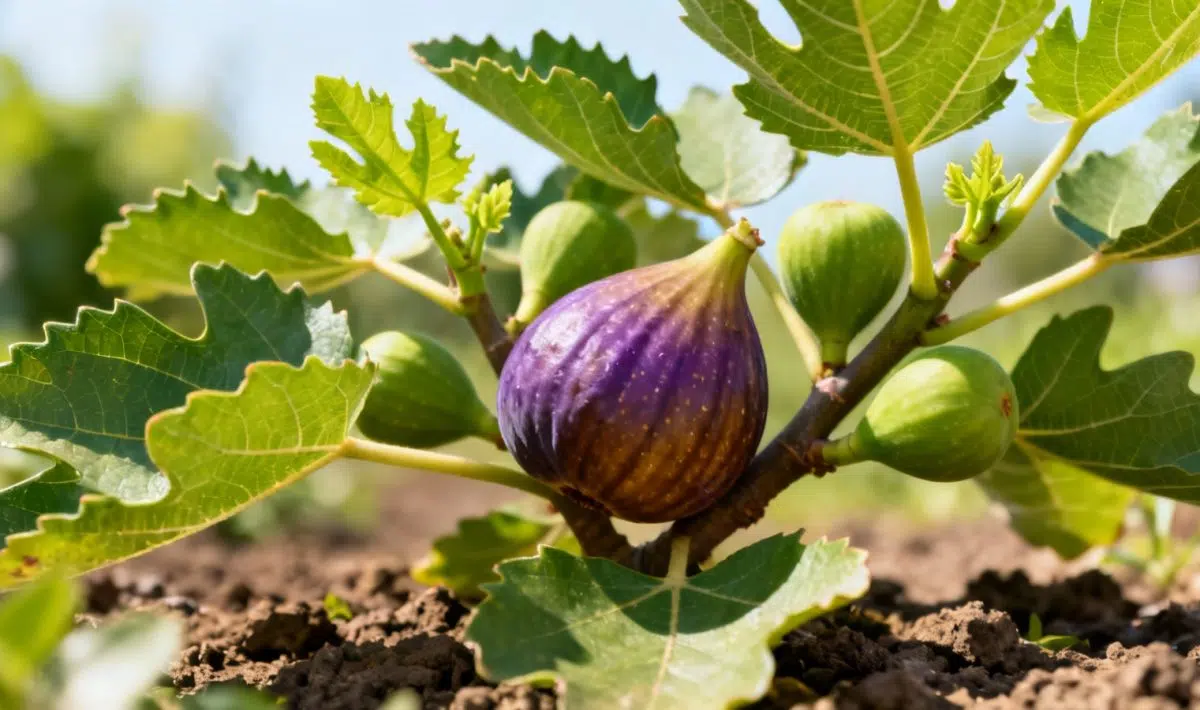
The common fig, scientifically known as Ficus carica, stands as one of the most beloved fruit trees from the Mediterranean basin. This remarkable tree has been cultivating relationships with humans for thousands of years, offering not only sweet, nutritious fruits but also serving as a symbol of abundance and prosperity across many cultures. Today, fig trees continue to capture gardeners’ hearts worldwide with their unique characteristics and relatively straightforward care requirements.
Origins and historical significance of Ficus carica
The common fig tree traces its roots back to ancient civilizations around the Mediterranean Sea and parts of Asia. Archaeological evidence suggests that figs were among the first fruits cultivated by humans, even before wheat and barley. These trees naturally thrived in regions with warm, dry summers and mild winters, which explains their strong association with Mediterranean climates.
During ancient times, figs held tremendous cultural importance. They were considered sacred in many societies, with references appearing in religious texts and historical documents. The Greeks valued fig trees so highly that they forbade their export from certain regions. Romans, too, recognized the tree’s worth, using figs both as food and medicine. This long history demonstrates how well-adapted these plants are to human cultivation and various growing conditions.
Interestingly, some exotic plants share similar historical significance in different regions. Just as figs were treasured in Europe, you can learn about common sowthistle care to understand how other traditional plants have influenced gardening practices across cultures.
Botanical characteristics and tree morphology
Ficus carica exhibits distinctive features that make it easily recognizable among fruit trees. The tree typically reaches heights of 5 to 10 meters at maturity, developing a broad, spreading crown with twisted, gnarled branches. Its trunk often grows quite thick and develops an attractive, smooth gray bark that adds ornamental value to any landscape.
The leaves are perhaps the most striking feature of the fig tree. They are large, deeply lobed, and have a rough texture that feels almost sandpaper-like to the touch. Most varieties produce leaves with three to five lobes, though some may have more. The foliage is deciduous in colder climates but can remain semi-evergreen in warmer regions. During autumn, these leaves turn beautiful shades of yellow before dropping.
What makes fig trees particularly fascinating is their unique flowering and fruiting system. Unlike most fruit trees, figs don’t produce visible flowers. Instead, the flowers develop inside the fruit itself, creating what botanists call a syconium. This unusual arrangement means that the “fruit” we eat is actually an inverted flower cluster, containing hundreds of tiny seeds that provide the characteristic crunch in fresh figs.
Optimal growing conditions and care requirements
Creating the right environment for your fig tree ensures healthy growth and abundant fruit production. These trees prefer full sun exposure, requiring at least six to eight hours of direct sunlight daily. They can tolerate partial shade, but fruit production may decrease significantly. Well-draining soil is absolutely essential, as fig trees are susceptible to root rot in waterlogged conditions.
The soil pH should ideally range from 6.0 to 7.0, though figs can adapt to slightly alkaline conditions. Rich, loamy soil provides the best foundation, but these adaptable trees can grow in various soil types, including clay and sandy soils with proper amendments. Adding organic compost annually helps maintain soil structure and provides necessary nutrients.
Watering requires a balanced approach. Young trees need consistent moisture during their first growing season to establish strong root systems. Mature trees are remarkably drought-tolerant but benefit from deep, infrequent watering during fruit development. Similar water management principles apply to many Mediterranean fruit trees, and you can understand apricot cultivation techniques to see how related species handle similar conditions.
Popular varieties and selection criteria
Choosing the right fig variety depends on your climate, available space, and fruit preferences. Some varieties thrive in specific regions while others show greater adaptability. The Brown Turkey fig is one of the most widely grown varieties, known for its cold hardiness and reliable fruit production. It produces medium-sized fruits with brownish-purple skin and sweet, amber flesh.
The Chicago Hardy variety lives up to its name by surviving temperatures as low as -10°F, making it suitable for northern gardens. Its fruits are smaller but incredibly flavorful, with dark purple skin and strawberry-colored flesh. For warmer climates, the Kadota variety produces large, yellow-green fruits with exceptionally sweet, white flesh.
Black Mission figs offer deep purple, almost black skin with rich, complex flavors. This variety requires more heat to ripen properly but rewards growers with exceptional taste. When selecting varieties, consider your local climate conditions, the tree’s mature size, and whether you prefer fresh eating or preserving fruits.
Propagation methods and techniques
Fig trees can be propagated through several reliable methods, with cutting propagation being the most popular among home gardeners. This technique produces trees identical to the parent plant and typically yields fruit within two to three years. Take cuttings during the dormant season, selecting healthy, pencil-thick branches from the previous year’s growth.
Hardwood cuttings should be 8 to 12 inches long, cut just below a node at the bottom and slightly above a node at the top. Remove all leaves and plant the cuttings in well-draining potting mix, burying about two-thirds of their length. Keep the soil consistently moist but not waterlogged, and place them in a warm location with bright, indirect light.
Air layering offers another successful propagation method, particularly useful for difficult-to-root varieties. This technique involves wounding a branch, applying rooting hormone, and wrapping the area with moist sphagnum moss and plastic film. Roots typically develop within 6 to 8 weeks, after which the new plant can be separated from the parent tree.
Pruning and maintenance practices
Proper pruning keeps fig trees healthy, manageable, and productive. The best time for major pruning is during dormancy, typically in late winter before new growth begins. Remove dead, diseased, or damaged wood first, then focus on improving the tree’s structure and air circulation.
Fig trees naturally develop multiple trunks, which can be maintained or reduced to a single leader depending on your preference. Remove suckers that emerge from the base regularly, as they can drain energy from the main tree. Light summer pruning can help control size and improve fruit quality by allowing better light penetration into the canopy.
When pruning, always use clean, sharp tools to prevent disease transmission. Make cuts just above outward-facing buds to encourage proper branch direction. Young trees benefit from training to establish good structure, while mature trees mainly need maintenance pruning to remove crossing branches and maintain their shape.
Common challenges and solutions
Despite their reputation for being low-maintenance, fig trees can face several challenges. Birds often pose the biggest threat to ripening fruits, requiring protective measures like netting or bird scare devices. Harvest timing is crucial – figs should be picked when fully ripe, as they don’t continue ripening after harvest.
Root knot nematodes can affect trees grown in certain regions, causing stunted growth and yellowing leaves. Planting resistant varieties or using beneficial nematodes can help manage this problem. Scale insects and spider mites occasionally appear but are generally manageable with horticultural oil applications.
Cold damage represents a significant concern in marginal climates. Even cold-hardy varieties may suffer dieback during severe winters. Protecting young trees with burlap wraps or temporary structures helps them survive harsh conditions. Many gardeners successfully grow figs in containers, which allows them to move trees to protected locations during winter.
Culinary and nutritional benefits
Fresh figs offer exceptional nutritional value, containing high levels of fiber, potassium, and antioxidants. They’re naturally fat-free and provide sustained energy through their natural sugars. The unique texture and sweet flavor make them versatile in both fresh and cooked applications.
These fruits can be eaten fresh, dried, or processed into jams and preserves. They pair beautifully with cheese, nuts, and honey in savory applications. Many cuisines feature figs in both sweet and savory dishes, from Mediterranean salads to Middle Eastern desserts. Like other homegrown produce, fresh figs allow you to experience flavors that simply aren’t available in store-bought varieties.
Growing your own figs connects you to gardening traditions that span millennia. Just as other gardeners explore cucumber growing tips for different types of homegrown produce, fig cultivation offers its own unique rewards and satisfactions.
Container growing and indoor cultivation
Container growing opens fig cultivation to gardeners in colder climates and those with limited space. Choose dwarf varieties like Petite Negra or Chicago Hardy for container culture. Use large containers, at least 20 gallons, to accommodate the tree’s root system and provide stability.
Well-draining potting mix is essential for container-grown figs. Add compost or aged manure to provide nutrients and improve soil structure. Container trees require more frequent watering than ground-planted specimens but should never sit in standing water. During winter in cold climates, move containers to unheated garages or basements where temperatures remain above freezing.
Indoor cultivation is possible with sufficient light, either from south-facing windows or grow lights. However, most fig varieties need a winter dormancy period with cooler temperatures. Some gardeners successfully discover how to care for Madagascar dragon tree and other houseplants alongside their container figs, creating diverse indoor gardens.
Future of fig cultivation
Climate change presents both challenges and opportunities for fig growers. Warmer temperatures may expand suitable growing regions northward, while increased weather volatility requires adaptive management strategies. Research into new varieties focuses on developing trees with improved cold tolerance, disease resistance, and fruit quality.
Sustainable growing practices are becoming increasingly important. Organic cultivation methods, water-efficient irrigation, and integrated pest management help reduce environmental impact while maintaining productive trees. Home gardeners play a vital role in preserving genetic diversity by growing heirloom varieties and sharing knowledge with fellow enthusiasts.
The renewed interest in homegrown food and traditional varieties ensures that fig cultivation will continue thriving. These remarkable trees offer gardeners the opportunity to grow exotic, flavorful fruits while connecting with thousands of years of human agricultural history. Whether grown in Mediterranean climates or challenging northern gardens, fig trees reward careful attention with years of delicious harvests.

Allan is a lifelong gardening enthusiast who still gets excited when the first seedlings pop up in spring. With a deep love for nature and a hands-in-the-soil approach, he shares practical tips, plant discoveries, and clever tricks picked up over years of digging, planting, and observing. Whether you’re a new gardener or have a shed full of tools, Allan writes like a neighbor who’s always happy to swap cuttings and stories over the fence.
You can find more about Allan’s work on Malt or connect with him on LinkedIn.


