
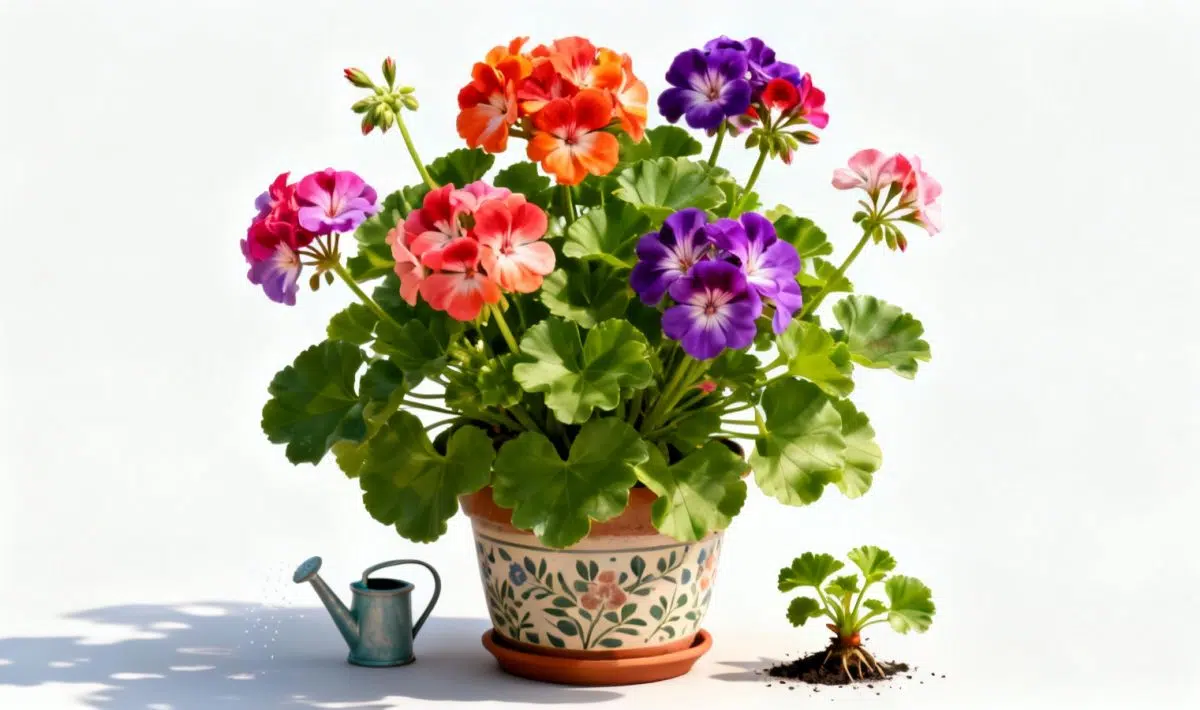
Understanding zonal geranium – Pelargonium hortorum basics
Today I’m excited to share everything you need to know about one of the most beloved flowering plants in gardens worldwide. Zonal geranium – Pelargonium hortorum represents a fantastic choice for both novice and experienced gardeners seeking vibrant, long-lasting blooms with minimal fuss.
These remarkable plants, also known as zonal pelargoniums, are technically tender perennials that most gardeners treat as annuals. They typically reach 12 to 24 inches in height and produce stunning flower clusters from late spring until the first frost arrives. What makes them particularly special is their incredible tolerance to heat and moderate drought conditions.
The distinctive zonal markings on their leaves give these geraniums their common name. These circular patterns, often appearing in darker green or bronze tones, create an attractive contrast against the bright green foliage. The flowers themselves come in brilliant shades of red, pink, white, and coral, arranged in dense, rounded clusters that truly steal the show in any garden setting.
Botanical characteristics and varieties
Zonal geraniums belong to the Pelargonium genus and are the result of complex hybridization involving several species. Their succulent stems store water efficiently, making them surprisingly drought-tolerant once established. The leaves are typically rounded with scalloped edges and that famous zonal pattern that distinguishes them from other pelargonium types.
Modern cultivars offer an impressive range of flower forms, from single blooms to dramatic doubles. Some varieties feature semi-double flowers that provide the perfect balance between simplicity and fullness. The color palette continues to expand, with breeders developing new shades and bicolored varieties that add even more visual interest to garden displays.
Interestingly, just as care and propagation of apricot trees requires attention to specific growing conditions, zonal geraniums thrive when their particular needs are understood and met consistently.
Essential care requirements for thriving plants
Successful zonal geranium cultivation starts with understanding their basic needs. These plants absolutely love full sun exposure, requiring at least 6 hours of direct sunlight daily for optimal flowering. While they can tolerate partial shade, you’ll notice significantly fewer blooms and potentially leggier growth in shadier conditions.
Soil preparation plays a crucial role in their success. Zonal geraniums prefer well-draining soil with a slightly acidic to neutral pH between 6.0 and 7.0. Heavy clay soils that retain too much moisture can quickly lead to root rot problems. If your garden has clay soil, consider growing them in raised beds or containers filled with quality potting mix.
Watering and fertilization strategies
Proper watering technique makes all the difference with these plants. Water thoroughly but allow the soil to dry slightly between watering sessions. Overwatering is far more dangerous than underwatering for zonal geraniums. During hot summer weather, they may need daily watering, especially when grown in containers.
Feed your plants every 2-3 weeks with a balanced, water-soluble fertilizer during the growing season. A 10-10-10 or 20-20-20 formulation works excellently. Avoid high-nitrogen fertilizers that promote excessive foliage growth at the expense of flower production. During spring, when growth is most active, you can increase feeding frequency slightly.
Maintenance and pruning
Regular deadheading keeps your zonal geraniums looking their best and encourages continuous blooming. Remove spent flower clusters by cutting back to the next leaf node or flower bud. This simple practice redirects the plant’s energy into producing new blooms rather than setting seed.
Pinching growing tips when plants are young promotes bushier growth and more flowering stems. If your geraniums become leggy during the season, don’t hesitate to cut them back by one-third. They’ll quickly produce new growth and resume blooming within a few weeks.
Propagation methods and techniques
Propagating zonal geraniums is surprisingly straightforward and rewarding. The most reliable method involves taking stem cuttings from healthy, established plants. This technique allows you to preserve your favorite varieties and expand your collection economically.
Take cuttings in late summer or early fall, selecting healthy stems about 4-6 inches long. Remove the lower leaves and any flower buds, then dip the cut end in rooting hormone if desired. Plant the cuttings in well-draining potting mix, keeping the soil consistently moist but not waterlogged.
Much like growing cucumbers in your garden requires specific propagation timing, zonal geranium cuttings root best when taken during cooler weather. Place your cutting containers in bright, indirect light and maintain temperatures around 65-70°F for optimal rooting.
Seed starting and young plant care
While most gardeners prefer cuttings, you can also grow zonal geraniums from seed. Start seeds indoors 12-16 weeks before your last expected frost date. The seeds need warm soil temperatures (70-75°F) for successful germination, which typically occurs within 7-14 days.
Young seedlings require careful attention to watering and lighting. Provide bright light for 12-16 hours daily using grow lights if necessary. Transplant seedlings into individual pots once they develop their first true leaves, and gradually acclimate them to outdoor conditions before final planting.
Common challenges and solutions
Even these relatively easy-care plants can encounter problems. Overwatering remains the most common issue, leading to yellowing leaves, stem rot, and overall plant decline. Always check soil moisture before watering and ensure containers have adequate drainage holes.
Aphids and whiteflies occasionally target zonal geraniums, especially when plants are stressed or grown in less-than-ideal conditions. Regular inspection helps catch these pests early when they’re easier to control with insecticidal soap or horticultural oil treatments.
Similar to how information on Madagascar dragon trees emphasizes proper care to prevent issues, maintaining good cultural practices prevents most geranium problems before they start.
Seasonal care considerations
In regions with harsh winters, you’ll need to decide whether to treat zonal geraniums as annuals or attempt to overwinter them. Many gardeners successfully overwinter plants indoors by taking cuttings or digging up entire plants before the first frost.
For indoor overwintering, gradually reduce watering and place plants in a cool, bright location. They’ll go semi-dormant and require minimal care until spring arrives. Resume regular watering and feeding as daylight hours increase and new growth appears.
Just as characteristics of common sowthistle plants demonstrate adaptation to different seasons, zonal geraniums can be managed successfully year-round with proper planning and care.
Design ideas and garden applications
Zonal geraniums excel in various garden situations. Their compact growth habit makes them perfect for container gardening, whether in traditional pots, window boxes, or hanging baskets. They pair beautifully with other sun-loving annuals like petunias, marigolds, and verbena.
In garden beds, use zonal geraniums as edging plants or in mass plantings for maximum visual impact. Their consistent height and prolonged blooming period provide reliable structure throughout the growing season. Consider planting them in alternating colors for a classic, formal appearance, or mix different shades for a more casual, cottage garden feel.
The heat tolerance of zonal geraniums makes them excellent choices for challenging spots like south-facing patios, sunny balconies, or areas near reflective surfaces. They’ll continue blooming enthusiastically when other flowers might struggle with intense heat and sun exposure.

Allan is a lifelong gardening enthusiast who still gets excited when the first seedlings pop up in spring. With a deep love for nature and a hands-in-the-soil approach, he shares practical tips, plant discoveries, and clever tricks picked up over years of digging, planting, and observing. Whether you’re a new gardener or have a shed full of tools, Allan writes like a neighbor who’s always happy to swap cuttings and stories over the fence.
You can find more about Allan’s work on Malt or connect with him on LinkedIn.


