
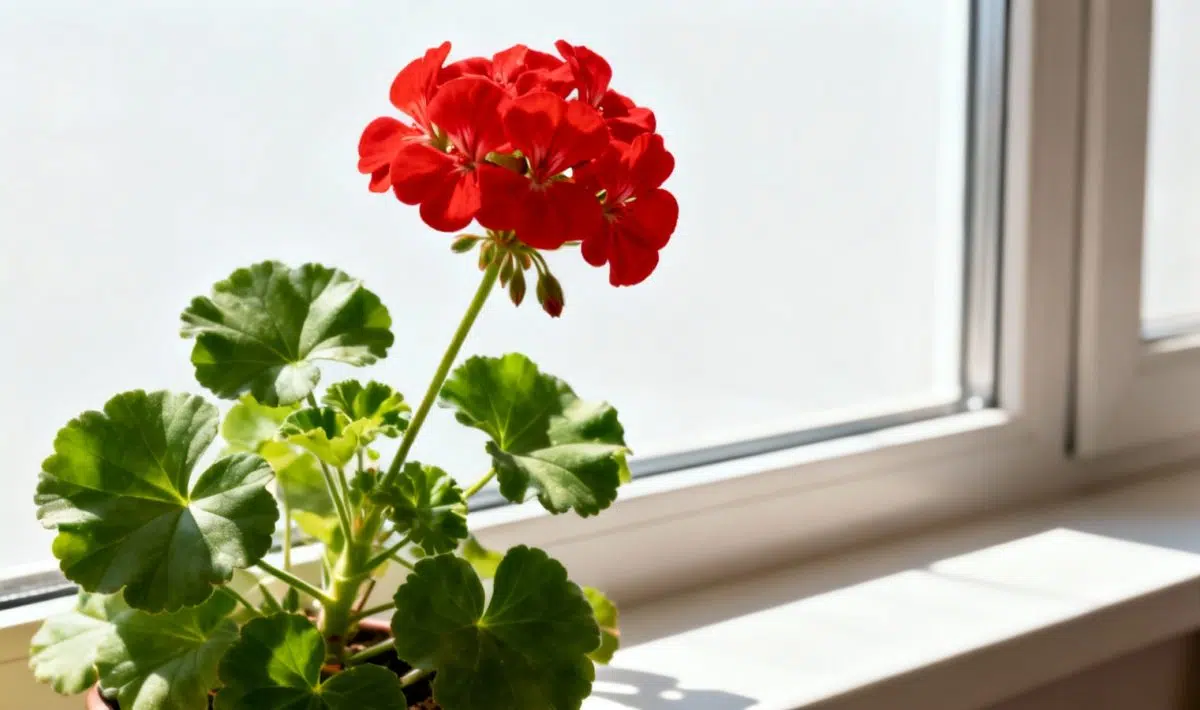
If you’re wondering how much sunlight does zonal geranium need, you’ve come to the right place! These vibrant flowering plants are absolute stars in any garden, and getting their light requirements right is crucial for those gorgeous blooms we all love. The good news is that with the right knowledge, you’ll be enjoying colorful flowers from spring through fall.
Understanding zonal geraniums
Zonal geraniums are actually Pelargonium plants that originated in South Africa, though many gardeners simply call them geraniums. These beautiful plants feature distinctive circular patterns on their leaves and produce clusters of flowers in shades of red, pink, white, and many other colors. They’re incredibly popular for containers, hanging baskets, and garden beds because they bloom continuously with proper care.
What makes these plants special is their ability to thrive in various conditions while producing an abundance of flowers. The key is understanding that they’re sun-loving plants that need adequate light for photosynthesis and healthy growth. Without enough sunlight, you’ll notice fewer flowers and leggy, weak stems.
Optimal sunlight requirements for zonal geraniums
Zonal geraniums absolutely love the sun and need at least 6 hours of direct sunlight daily for optimal flowering. Ideally, they should receive 6-8 hours of morning and early afternoon sun. This full sun exposure encourages vigorous growth, abundant blooms, and helps prevent many common plant diseases.
In regions with extremely hot summers, a bit of afternoon shade can actually be beneficial. This protects the leaves from scorching while still providing plenty of light for healthy development. Think of it this way – these plants want to bask in the morning sun but appreciate some relief during the hottest part of the day.
When you’re growing geraniums in containers, you have the flexibility to move them to capture the best light throughout the day. Place pots in the sunniest spots of your garden, patio, or balcony. Just like understanding sunlight requirements for coriander plants, knowing your geranium’s light needs helps you position them for success.
Seasonal light considerations
During spring and early summer, zonal geraniums are in their prime growing season. The longer days and increasing light intensity trigger rapid growth and flower production. This is when you’ll see the most spectacular displays of color as the plants take advantage of optimal conditions.
As autumn approaches and daylight hours decrease, geraniums naturally slow their growth. In many regions, you can extend their growing season by moving potted plants to the sunniest locations or even bringing them indoors near bright windows. Some gardeners successfully overwinter their geraniums in bright, cool rooms.
When starting new plants from seeds in late winter or early spring, adequate light is crucial for germination and seedling development. Young plants are particularly sensitive to light levels and will become leggy if they don’t receive enough illumination during their early growth stages.
Signs of proper and improper light exposure
Well-lit zonal geraniums display compact, bushy growth with sturdy stems and vibrant green foliage. The leaves should be firm and show the characteristic zonal markings clearly. Most importantly, you’ll see continuous flower production with bright, intense colors that make your garden truly spectacular.
When geraniums don’t receive enough light, they become leggy and stretched, reaching desperately toward any available light source. The stems grow weak and spindly, flowers become sparse or stop altogether, and the overall plant looks unhealthy. The leaves may also turn pale green or yellow, indicating stress from inadequate photosynthesis.
On the flip side, too much intense sunlight in extremely hot climates can cause leaf scorch, where the foliage develops brown, crispy edges. Similar to how light needs of evening-primrose vary with climate, geraniums may need protection during heat waves while still maintaining their basic sunlight requirements.
Maximizing light for container growing
Container gardening offers wonderful opportunities to optimize light exposure for your zonal geraniums. You can position pots strategically to catch morning sun, move them during the hottest part of summer, or rotate containers to ensure even light distribution around the entire plant.
Choose light-colored containers that won’t overheat the root system in direct sun. White or terra-cotta pots are excellent choices that reflect heat while allowing plants to receive maximum light benefits. Ensure your containers have proper drainage, as geraniums in full sun will need regular watering but hate waterlogged soil.
Group container plants of similar light requirements together to create attractive displays. Just as you might research optimal sunlight for common hazel when planning a mixed border, understanding each plant’s specific needs helps create thriving container gardens.
Indoor growing and supplemental lighting
If you’re growing zonal geraniums indoors, place them in your brightest, south-facing windows where they can receive maximum natural light. Even with excellent window placement, indoor plants often benefit from supplemental grow lights during winter months or in homes with limited natural light.
LED grow lights positioned 12-18 inches above the plants can supplement natural light effectively. Run these lights for 12-14 hours daily to compensate for shorter winter days. This approach helps maintain flower production and prevents the leggy growth that often occurs with insufficient indoor lighting.
Watch your indoor geraniums carefully for signs of light stress, and adjust their position or supplemental lighting accordingly. Many gardeners successfully maintain blooming geraniums throughout winter with this combination of natural and artificial light.
Companion planting and light sharing
When planning garden layouts, consider how different plants will share available sunlight throughout the growing season. Zonal geraniums pair beautifully with other sun-loving annuals and perennials that have similar light requirements.
Avoid planting geraniums too close to large shrubs or trees that might cast shadows as they leaf out in spring. Similarly, understanding the mature size and light requirements of neighboring plants, like sunlight needs for viper’s bugloss, helps create harmonious garden designs where every plant thrives.
In mixed plantings, use geraniums as border plants or in raised beds where they won’t be overshadowed by taller companions. This ensures they maintain access to their crucial 6-8 hours of daily sunlight while contributing to beautiful, layered garden displays.
If your geraniums aren’t flowering well despite seemingly adequate care, insufficient light is often the culprit. Even plants that receive some direct sun may not be getting enough hours of intense light to trigger abundant bloom production.
Leggy growth is another clear indicator of light problems. When stems stretch and leaves become widely spaced, it’s time to relocate your plants to a brighter spot or consider supplemental lighting options. Don’t be afraid to move containers or transplant garden specimens if their current location isn’t providing enough light.
Sometimes gardeners mistake other issues for light problems. Poor flowering can also result from over-fertilizing with nitrogen-rich fertilizers that promote leaf growth at the expense of flowers. Just as light requirements for Easter lilies involve balancing multiple factors, successful geranium growing requires attention to light, nutrition, and watering practices.
Year-round success with proper lighting
Successfully growing zonal geraniums year after year involves understanding their changing light needs throughout different seasons and life stages. Young plants, mature specimens, and those being prepared for winter storage all have slightly different requirements, but adequate light remains crucial for all.
Whether you’re growing these wonderful plants in garden beds, containers, or indoor settings, remember that consistent access to bright sunlight is your key to success. With 6-8 hours of daily sun exposure, proper positioning, and attention to seasonal changes, you’ll enjoy months of continuous, colorful blooms that make every gardening effort worthwhile.
Start with quality plants or seeds, provide them with the sunny conditions they crave, and you’ll discover why zonal geraniums have been garden favorites for generations. Their reliable performance and stunning flowers make them perfect for both beginning and experienced gardeners who want guaranteed color and beauty in their outdoor spaces.

Allan is a lifelong gardening enthusiast who still gets excited when the first seedlings pop up in spring. With a deep love for nature and a hands-in-the-soil approach, he shares practical tips, plant discoveries, and clever tricks picked up over years of digging, planting, and observing. Whether you’re a new gardener or have a shed full of tools, Allan writes like a neighbor who’s always happy to swap cuttings and stories over the fence.
You can find more about Allan’s work on Malt or connect with him on LinkedIn.


