
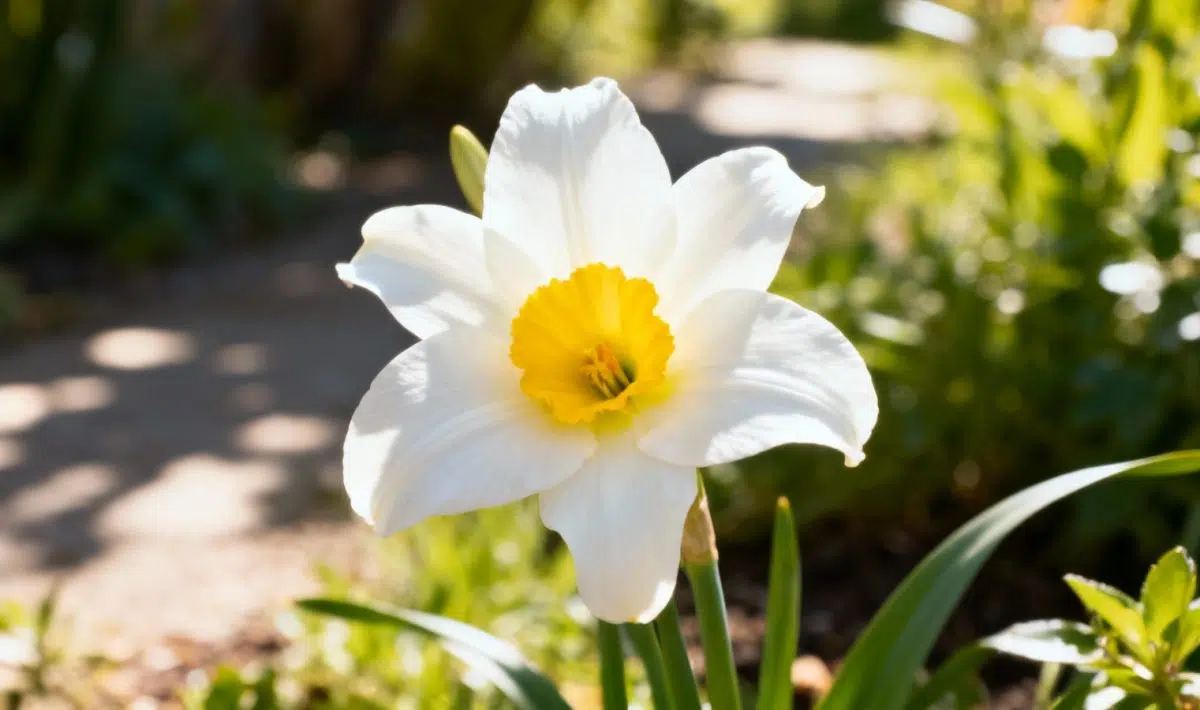
Understanding easter lily light requirements
The Easter lily (Lilium longiflorum) stands as one of the most cherished flowering plants for spring celebrations. These elegant white lilies require specific light conditions to produce their characteristic fragrant blooms. Understanding how much sunlight does easter lily need is essential for successful cultivation, whether you’re growing them in your garden or as potted plants indoors.
These beautiful plants originate from Japan and have been cultivated for centuries. The classic white trumpet-shaped flowers make them incredibly popular for Easter displays and spring bouquet arrangements. However, achieving those perfect blooms requires careful attention to their lighting needs, which differ slightly from other common garden lilies.
Optimal sunlight exposure for healthy growth
Easter lilies thrive with 6 to 8 hours of bright, indirect sunlight daily. Unlike some plants that can tolerate harsh direct sun, these delicate flowering specimens prefer morning sunlight with afternoon shade protection. This balance prevents leaf scorch while ensuring adequate energy for photosynthesis and robust flowering.
When positioning your Easter lilies outdoors, choose locations that receive gentle morning light but are shielded from intense midday sun. East-facing garden beds work exceptionally well, providing the ideal light gradient throughout the day. The filtered light conditions help maintain the pristine white color of the blooms and prevent premature wilting.
Indoor vs outdoor lighting considerations
Growing Easter lilies indoors requires different lighting strategies compared to garden cultivation. Indoor plants need bright, indirect light from a south or east-facing window. If natural light is insufficient, supplemental fluorescent lighting can provide the necessary illumination for healthy development.
For those interested in diverse lily cultivation, you might find it helpful to explore sunlight requirements for Canna lilies to understand how different lily varieties have varying light needs. The placement of indoor Easter lilies should avoid direct window contact, which can create hotspots that damage the delicate petals and foliage.
Signs of inadequate or excessive light exposure
Recognizing light-related stress in your Easter lilies helps you adjust their positioning promptly. Plants receiving insufficient light often display elongated, weak stems that struggle to support the flower buds. The leaves may appear pale green or yellow, indicating reduced chlorophyll production due to inadequate photosynthesis.
Conversely, excessive direct sunlight causes leaf burn, visible as brown or crispy edges on the foliage. The white flowers may develop a bleached appearance or brown spots, significantly reducing their ornamental value. These symptoms typically appear within days of improper light exposure, making quick intervention possible.
Seasonal light adjustments and care practices
Easter lily care involves adapting to seasonal light changes throughout their growing cycle. During the active growing season, these plants benefit from consistent, moderate light exposure. As temperatures rise in summer, providing additional shade protection becomes crucial for maintaining plant health and extending the blooming period.
The timing of light exposure also affects flowering schedules. Commercial growers manipulate lighting conditions to force blooms for specific holidays, but home gardeners typically work with natural seasonal patterns. Understanding these cycles helps you plan your garden layout and expectations for bloom timing.
Companion planting for optimal light management
Strategic companion planting can help create ideal lighting conditions for your Easter lilies. Taller plants like roses or shrubs can provide natural shade during peak afternoon hours while allowing morning sun to reach the lily bulbs. This approach creates a more naturalistic garden setting while protecting your precious flowering plants.
Consider incorporating other shade-loving plants that complement Easter lilies aesthetically. For gardeners exploring various plant light requirements, learning about sunlight needs for plantain lilies can provide insights into creating diverse, well-planned garden spaces with different lighting zones.
Watering and fertilization in relation to light exposure
The relationship between light exposure and watering needs is crucial for Easter lily success. Plants receiving more sunlight require increased water frequency, but the soil should never become waterlogged. Well-draining soil prevents root rot while ensuring adequate moisture for the bulbs during active growth periods.
Fertilization schedules also correlate with light levels and seasonal growth patterns. During periods of bright spring light, Easter lilies benefit from balanced, diluted fertilizers applied every two weeks. As light intensity increases in summer, reducing fertilizer frequency prevents over-stimulation that could stress the plants.
Container cultivation and mobility advantages
Growing Easter lilies in containers offers flexibility for light management that garden planting cannot match. You can move potted plants to optimize light exposure throughout the day or season. This mobility proves especially valuable during extreme weather conditions or when fine-tuning the growing environment.
Container drainage becomes even more critical when plants receive varying light levels, as soil moisture fluctuations can stress the root system. Choose pots with adequate drainage holes and use well-draining potting mix specifically formulated for bulbous plants to ensure optimal growing conditions.
Common mistakes and troubleshooting tips
Many gardeners make the mistake of placing Easter lilies in full sun locations, thinking that more light always equals better growth. However, these plants evolved in woodland edge conditions where they received filtered light rather than harsh direct exposure. Understanding this natural habitat helps guide proper placement decisions.
Another frequent error involves sudden changes in light exposure, such as moving indoor plants directly outside without gradual acclimatization. This shock can cause immediate stress responses including leaf drop and bud abortion. For those working with various plant species, exploring growing coriander in sunlight demonstrates how different plants require specific light transition protocols.
Long-term plant health and sustainability
Proper light management contributes to the long-term health of Easter lily bulbs, encouraging natural reproduction and perennial growth. Plants that receive appropriate light exposure develop stronger root systems and store more energy in their bulbs for future flowering seasons.
This sustainable approach to cultivation ensures that your Easter lilies can return year after year with minimal intervention. The investment in proper light positioning pays dividends through extended plant life and improved flowering performance over time.
Advanced care techniques for exceptional results
Professional growers employ sophisticated techniques to optimize light exposure for commercial Easter lily production. These methods can be adapted for home use, including the use of reflective materials to redirect light and shade cloth to filter excessive intensity during peak summer conditions.
Gardeners interested in expanding their knowledge of plant light requirements might find value in researching cabbage tree sunlight needs to understand how different plant families respond to various lighting conditions. Additionally, those working with indoor plants could benefit from learning about optimal sunlight for lucky bamboo for creating diverse indoor garden environments.
Integration with overall garden design
Easter lilies work beautifully as focal points in shaded garden areas where their white blooms provide bright contrast against darker foliage. Planning garden layouts with light zones allows you to create spectacular displays while meeting each plant’s specific requirements.
The fragrant nature of Easter lily blooms adds another dimension to garden planning, as strategic placement near seating areas or windows maximizes the sensory experience. For gardeners developing comprehensive flower gardens, understanding sunlight for orange coneflower growth helps create complementary plantings with varying bloom times and light requirements.
With proper attention to light requirements, Easter lilies reward gardeners with stunning displays of pure white, fragrant flowers that epitomize spring elegance. The key lies in providing bright but filtered light conditions that mimic their natural woodland edge habitat, ensuring healthy growth and abundant blooming for years to come.

Allan is a lifelong gardening enthusiast who still gets excited when the first seedlings pop up in spring. With a deep love for nature and a hands-in-the-soil approach, he shares practical tips, plant discoveries, and clever tricks picked up over years of digging, planting, and observing. Whether you’re a new gardener or have a shed full of tools, Allan writes like a neighbor who’s always happy to swap cuttings and stories over the fence.
You can find more about Allan’s work on Malt or connect with him on LinkedIn.


