
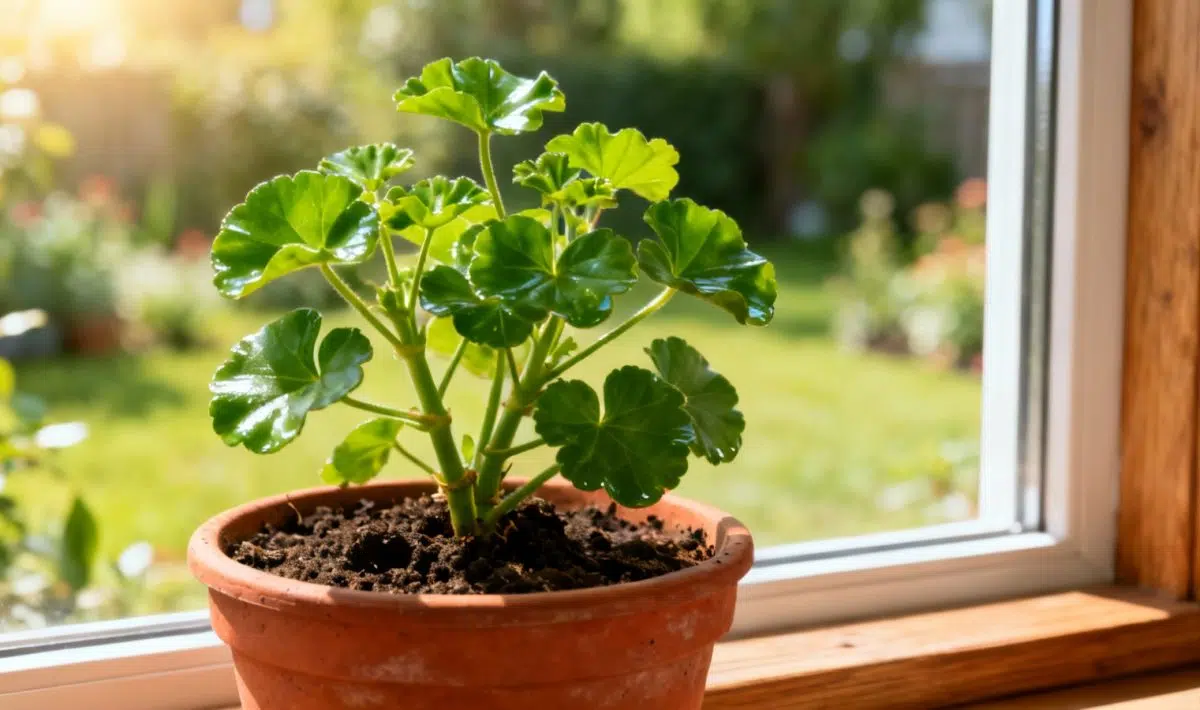
Understanding your rose geranium’s water needs
When you first bring home that beautiful rose geranium (Pelargonium graveolens), the question that immediately pops up is how often should you water your rose geranium. This aromatic plant with its lovely pink flowers and distinctive fragrance requires a careful balance – not too much, not too little. Getting the watering right will make all the difference between a thriving plant and one that struggles to survive.
Rose geraniums are surprisingly drought-tolerant plants that prefer their soil to dry out between waterings. As a general rule, you should water your rose geranium approximately twice per week, but this frequency depends on several factors including pot size, soil type, and environmental conditions.
Signs that your rose geranium needs water
Learning to read your plant’s signals is essential for successful gardening. Your rose geranium will give you clear indicators when it’s time to water. The most reliable method is the finger test – stick your finger about 2 inches deep into the soil. If the soil feels dry at that depth, it’s time to water.
Visual cues are equally important. Leaves may appear slightly droopy or less vibrant when the plant is thirsty. However, don’t wait until the leaves are severely wilted, as this stresses the plant unnecessarily. A well-timed watering schedule prevents this stress and promotes healthy growth.
The soil surface should be completely dry before you add more water. This approach prevents the dreaded root rot that can quickly kill your precious geranium. For gardeners managing multiple plants, understanding these principles applies to other species as well, just like following a proper watering schedule for sycamore trees ensures their long-term health.
Optimal watering techniques for rose geraniums
The quality of your watering technique matters just as much as the frequency. Always water early in the morning when possible, allowing the foliage to dry before evening. This timing reduces the risk of fungal diseases that thrive in moist conditions overnight.
Use room temperature water and pour it slowly around the base of the plant, avoiding the leaves when possible. This method ensures the water reaches the root zone where it’s needed most. If you’re growing your geranium in a pot, water until you see excess draining from the bottom holes.
During spring, your rose geranium enters its active growing phase and may require more frequent watering. Monitor the soil moisture more closely during this time, as increased growth means increased water uptake. Plants in containers dry out faster than those planted directly in garden beds.
Seasonal watering adjustments
Your watering routine should adapt to the changing seasons. In winter, dramatically reduce watering frequency as the plant enters a dormant period. During these cooler months, watering once every 10-14 days is typically sufficient, always checking soil moisture first.
Summer heat increases evaporation rates, potentially requiring more frequent watering. However, don’t assume you need to water daily – many gardeners overwater during hot weather, thinking plants need constant moisture. The key is maintaining consistent soil moisture without creating waterlogged conditions.
Indoor plants face different challenges than outdoor ones. Indoor humidity levels and temperature control affect watering needs. Place a humidity tray near your indoor rose geranium to maintain optimal moisture levels in the air without oversaturating the soil.
Common watering mistakes to avoid
Overwatering is the most common mistake with rose geraniums. These plants prefer to be slightly on the dry side rather than constantly moist. Yellowing leaves, mushy stems, and a musty smell from the soil indicate overwatering problems that require immediate attention.
Using cold water straight from the tap can shock the roots. Allow water to sit overnight to reach room temperature and let chlorine evaporate. This simple step improves water quality and plant health significantly.
Watering from above and leaving moisture on the leaves creates perfect conditions for disease. Water at soil level whenever possible, and if you must water from above, do it early enough for foliage to dry completely. This attention to detail in plant care is similar to providing proper care tips for Chinese money plants that also require careful moisture management.
Soil and drainage considerations
Proper drainage is absolutely crucial for rose geranium health. Use a well-draining potting mix that contains perlite or coarse sand to improve drainage. Heavy, clay-like soils retain too much moisture and should be amended with organic matter.
The type of pot you choose affects watering frequency. Terracotta pots allow soil to dry faster than plastic containers, requiring more frequent watering. Choose containers with adequate drainage holes to prevent water from pooling at the bottom.
For garden beds, ensure good drainage by planting in raised areas or amending heavy soil with compost. Poor drainage leads to root problems that no amount of careful watering can fix. Consider the same attention to drainage that you’d give when learning about optimal watering for watermelons or other moisture-sensitive plants.
Environmental factors affecting water needs
Temperature, humidity, and air circulation all influence how quickly your rose geranium uses water. Higher temperatures increase evaporation and plant water uptake, while high humidity slows water loss through the leaves.
Air movement from fans or breezes helps soil dry appropriately between waterings. Stagnant air can create conditions where soil stays wet too long, promoting bacterial and fungal problems. Good air circulation is just as important as proper watering technique.
Light levels also affect water needs – plants in bright light photosynthesize more actively and use more water than those in lower light conditions. Adjust your watering schedule based on your plant’s location and the amount of light it receives throughout the day.
Monitoring plant health and adjusting care
Regular observation helps you fine-tune your watering approach. Healthy rose geraniums display vibrant green foliage, steady growth, and regular flowering during the growing season. Any deviation from this pattern may indicate watering issues or other care problems.
Keep a simple watering log, especially when you’re learning your plant’s needs. Note the date, amount of water given, and soil moisture level before watering. This record helps you identify patterns and establish a reliable routine.
Successful plant care often involves applying similar principles across different species. The careful monitoring approach that works for rose geraniums also benefits other plants, whether you’re managing healthy growth of smoketrees or tending to delicate flowering shrubs.
Troubleshooting watering problems
If your rose geranium shows signs of stress despite careful attention to watering, examine other factors. Root bound plants may need repotting regardless of watering frequency. Soil that has become hydrophobic won’t absorb water properly and requires special treatment.
Brown leaf edges often indicate inconsistent watering – either too much, too little, or irregular scheduling. Establish a routine and stick to it, making gradual adjustments based on plant response and environmental changes.
Disease symptoms like black spots or powdery mildew may result from poor watering practices. Improve air circulation, avoid overhead watering, and ensure proper drainage to prevent these issues. The same principles apply when you’re watering rugosa roses effectively or caring for other susceptible plants.
Advanced care techniques for optimal growth
Once you’ve mastered basic watering, consider advanced techniques like bottom watering for potted plants. This method involves placing the pot in a tray of water and allowing the soil to absorb moisture from below. It encourages deep root growth and prevents surface salt buildup.
Mulching around garden-planted rose geraniums helps retain soil moisture and reduces watering frequency. Use organic mulch like shredded bark or compost, keeping it away from the plant stem to prevent pest problems.
During periods of rapid growth, supplement regular watering with occasional deep soaking. This technique encourages roots to grow deeper, making the plant more drought-resistant over time. The same deep watering principles benefit many trees and shrubs, including understanding how to provide watering pin oaks for growth in landscape settings.
Creating a sustainable watering routine
Developing a consistent watering routine takes time and patience. Start with twice-weekly watering and adjust based on your specific conditions and plant response. Weather changes, seasonal transitions, and plant maturity all influence watering needs.
Consider installing a simple drip irrigation system for multiple plants or if you travel frequently. These systems deliver consistent moisture while preventing overwatering, ideal for busy gardeners who want healthy plants without daily monitoring.
Remember that successful gardening is about observation and adaptation rather than rigid rules. Your rose geranium will thrive with attentive care that responds to its changing needs throughout the growing season. With proper watering techniques and consistent monitoring, you’ll enjoy beautiful, fragrant blooms and healthy foliage for years to come.

Allan is a lifelong gardening enthusiast who still gets excited when the first seedlings pop up in spring. With a deep love for nature and a hands-in-the-soil approach, he shares practical tips, plant discoveries, and clever tricks picked up over years of digging, planting, and observing. Whether you’re a new gardener or have a shed full of tools, Allan writes like a neighbor who’s always happy to swap cuttings and stories over the fence.
You can find more about Allan’s work on Malt or connect with him on LinkedIn.


