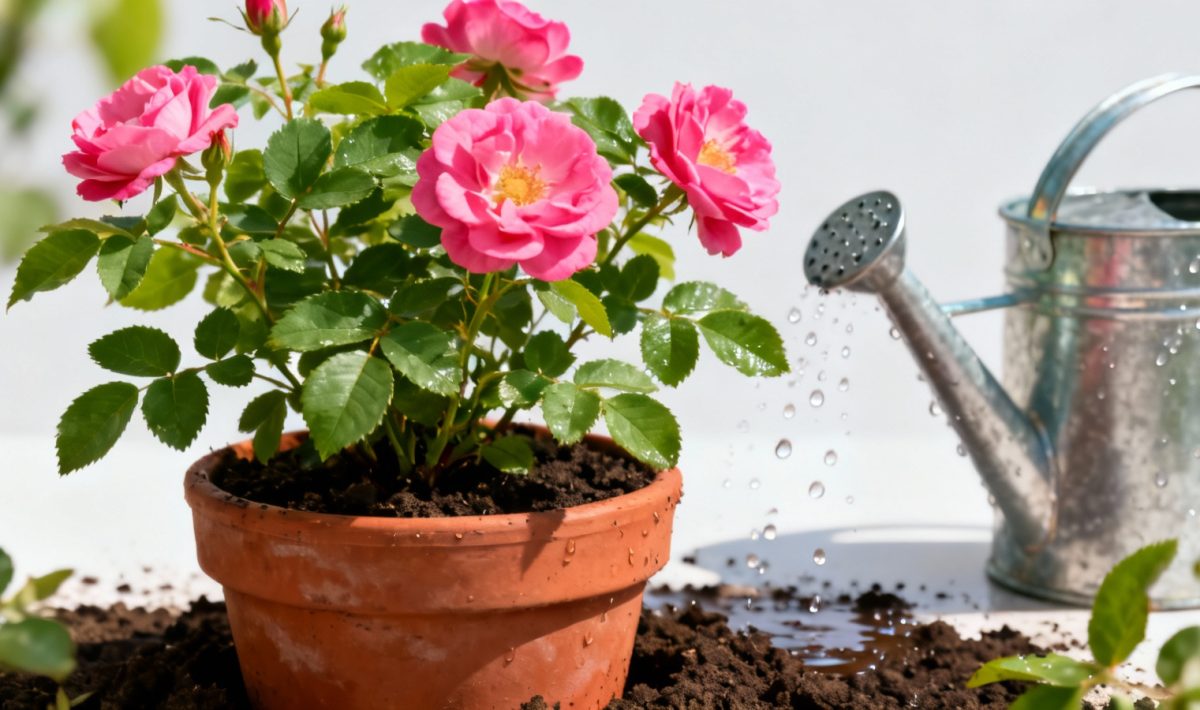
How often should you water your rugosa rose – Care tips for healthy plants
Honestly, there’s nothing quite like watching your rugosa roses bloom with those beautiful pink flowers throughout summer. These hardy plants are absolutely fantastic for gardens, but getting the watering right can make all the difference between struggling roses and thriving ones that will reward you with stunning blooms all season long.
Rugosa roses are remarkably different from your typical garden roses. They’re tough, resilient plants that actually prefer not to be fussed over too much. These roses grow naturally in sandy, coastal areas where they’ve adapted to survive with minimal water once established.
For newly planted rugosa roses, you’ll want to water them about twice a week during their first growing season. Give them a good drink – around 5 to 10 litres per plant, depending on your soil type. Sandy soils drain faster, so they’ll need the full 10 litres, while clay soils can make do with less.
Established plants that have been in your garden for over two years are completely different beasts. They rarely need supplemental watering except during severe drought conditions. Their deep root systems can access water that other plants simply can’t reach.
Summer watering strategies for healthy roses
Summer is when your rugosa roses really show off with their gorgeous flowers, but it’s also when many gardeners make watering mistakes. The key is to water deeply but infrequently rather than giving them frequent light sprinkles.
During hot summer months, water early in the morning before the sun gets too strong. This gives your roses time to absorb the water before it evaporates, and wet foliage has time to dry off, preventing fungal issues. Just like with tips for watering your sycamore tree, timing makes all the difference for plant health.
For container-grown rugosa roses, you’ll need to be more attentive. They can dry out quickly in hot weather and may need daily watering during peak summer. Check the soil moisture with your finger – if the top inch is dry, it’s time to water.
Recognizing when your roses need water
Your roses will tell you when they’re thirsty if you know what to look for. Slightly wilted leaves in the early morning are a clear sign your plants need water. However, don’t panic if they look a bit droopy in the afternoon heat – that’s perfectly normal.
Watch for leaves that are turning yellow from the bottom up, as this often indicates either overwatering or underwatering. The key is to check the soil moisture rather than relying solely on visual cues.
Blush-coloured flowers that fade more quickly than usual can also signal water stress. When roses are properly hydrated, their blooms last longer and maintain their vibrant colours throughout their flowering period.
Effective watering techniques for rugosa roses
The best way to water your rugosa roses is slowly and deeply at the base of the plant. Avoid overhead watering which can lead to leaf diseases. A soaker hose or drip irrigation system works brilliantly for this, delivering water directly to where the roots can access it.
If you’re hand-watering, create a small basin around each rose bush to help water soak in rather than running off. This technique is particularly useful for slopes or areas with poor water retention. Similar principles apply when you’re learning about watering guidelines for your money plant – slow, steady watering beats quick splashes every time.
Mulching around your roses helps retain moisture and reduces the need for frequent watering. A 3-inch layer of organic mulch like shredded bark or compost will keep the soil cool and moist during hot summer days.
Avoiding common watering mistakes
One of the biggest mistakes gardeners make is overwatering their rugosa roses. These plants are incredibly drought-tolerant once established, and too much water can actually harm them more than too little. Overwatered roses often develop weak, spindly growth and are more susceptible to diseases.
Another common error is watering too frequently with small amounts. This encourages shallow root growth, making your plants less resilient during dry spells. Instead, water thoroughly once or twice a week, allowing the soil to dry out slightly between waterings.
Never water in the evening unless absolutely necessary. Wet foliage overnight creates perfect conditions for fungal diseases that can seriously damage your beautiful rose collection.
Preparing your roses for cold weather
As summer winds down, your rugosa roses need different care to prepare them for winter. Gradually reduce watering frequency from early autumn onwards. This helps the plants harden off naturally before the cold weather arrives.
However, don’t stop watering completely until the ground freezes. Roses need adequate moisture going into winter to survive the cold months ahead. Give them a deep watering in late autumn if you haven’t had good rainfall, similar to how you’d prepare other hardy plants with healthy growth tips for smoketrees for winter survival.
In regions with harsh winters, make sure your roses are well-hydrated before the ground freezes solid. This helps prevent winter damage and ensures they’ll bounce back strongly in spring with vigorous new growth.
Year-round care for thriving plants
Growing rugosa roses successfully isn’t just about watering frequency – it’s about understanding their natural rhythms and needs throughout the seasons. These remarkable plants will reward your attention with months of beautiful blooms and incredibly fragrant flowers.
Remember that every garden is different, and factors like soil type, local climate, and individual plant health all influence watering needs. Start with these general guidelines, then adjust based on what you observe in your own garden. Much like optimal watering for watermelon growth, success comes from paying attention to your specific conditions.
With proper watering techniques and a bit of patience, your rugosa roses will become some of the most reliable and rewarding plants in your garden. They’ll provide you with stunning pink flowers all summer long, followed by attractive rose hips that add winter interest and feed local wildlife. That’s what makes growing these incredible roses such a joy for gardeners who appreciate both beauty and low-maintenance plants.
Allan is a lifelong gardening enthusiast who still gets excited when the first seedlings pop up in spring. With a deep love for nature and a hands-in-the-soil approach, he shares practical tips, plant discoveries, and clever tricks picked up over years of digging, planting, and observing. Whether you’re a new gardener or have a shed full of tools, Allan writes like a neighbor who’s always happy to swap cuttings and stories over the fence.
You can find more about Allan’s work on Malt or connect with him on LinkedIn.