
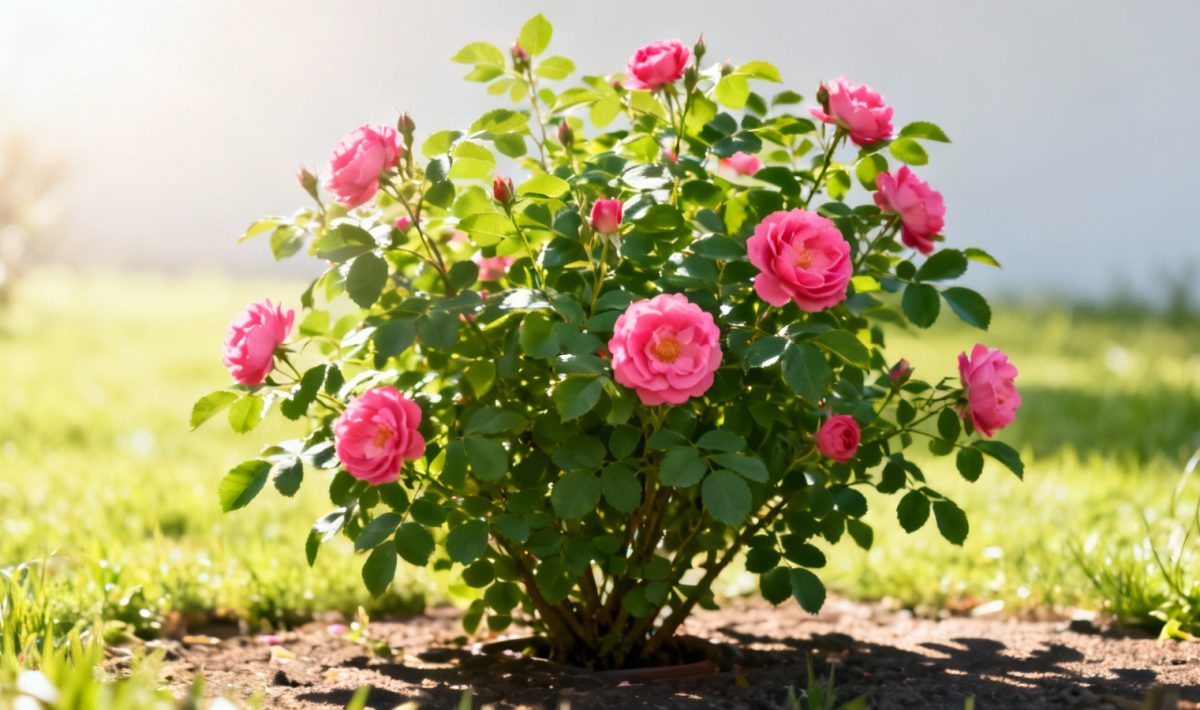
If you’re considering adding rugosa roses to your garden, you’re probably wondering about their sunlight needs. These hardy, beautiful roses are known for their resilience, but getting the light conditions right makes all the difference between a thriving plant and one that merely survives. Rosa rugosa, also known as Japanese rose, has specific requirements that are worth understanding before you plant.
Understanding rosa rugosa and its light preferences
Rosa rugosa stands out among roses for its exceptional hardiness and tolerance to various growing conditions. Native to coastal areas of East Asia, these roses have evolved to handle salt spray, sandy soils, and challenging weather conditions. However, like most roses, they still perform best when their basic needs are met, particularly when it comes to sunlight exposure.
The rugosa rose produces distinctive wrinkled leaves and fragrant blooms that can range from deep pink to white. What makes them special is their ability to bloom repeatedly throughout the summer, producing colorful rose hips in fall. But to achieve this impressive performance, they need adequate light to fuel their growth and flower production.
How much sunlight does rugosa rose need daily
For optimal growth and abundant flowering, rugosa roses require at least 6 to 8 hours of direct sunlight per day. This full sun exposure ensures vigorous growth, disease resistance, and the prolific blooming that makes these roses so desirable. When grown in ideal light conditions, rosa rugosa can produce flowers from early summer through fall.
While these roses are more tolerant than many varieties, reducing their sun exposure below 4-5 hours daily will noticeably impact their performance. In partial shade, rugosa roses will still survive and may produce some flowers, but you’ll see fewer blooms and potentially more susceptibility to fungal diseases. The plant’s energy goes toward survival rather than the spectacular flower displays they’re known for.
Just like understanding sunlight requirements for China rose, knowing the specific needs of different rose varieties helps ensure gardening success.
Balancing sunlight with water and soil needs
The relationship between sunlight, water, and soil is crucial for rugosa rose success. With more sunlight comes increased water needs, as the plant uses more energy for photosynthesis and transpiration. During hot summer days with 8 hours of direct sun, your rugosa roses will need consistent watering to maintain their health and blooming capacity.
Soil drainage becomes even more important in full sun conditions. Rosa rugosa prefers well-draining soil that retains some moisture but never becomes waterlogged. Sandy loam or amended clay soils work well, allowing roots to access water while preventing the root rot that can occur in poorly drained, sun-baked soils.
These roses are surprisingly adaptable to different soil types, much like how optimal sunlight for radish growth can be achieved in various soil conditions with proper care.
Signs your rugosa rose needs more light
Watch for these indicators that your rosa rugosa isn’t getting enough sunlight:
- Fewer flowers than expected during blooming season
- Leggy, stretched growth reaching toward light sources
- Pale green leaves instead of the characteristic dark green
- Increased susceptibility to black spot or powdery mildew
- Delayed spring growth compared to roses in sunnier locations
Optimizing growing conditions for maximum blooms
When selecting a location for your rugosa roses, morning sun is particularly valuable. Early sunlight helps dry dew from leaves, reducing disease problems that can plague roses grown in consistently humid conditions. Afternoon sun, while beneficial for energy production, should be balanced with some air circulation to prevent heat stress during the hottest summer days.
Consider the mature size of rosa rugosa when planning your planting location. These roses can grow 4-6 feet tall and wide, so ensure they won’t be shaded by buildings, fences, or other plants as they mature. Proper spacing between plants also ensures each rose receives adequate light and air circulation.
Understanding plant light requirements extends beyond roses. For instance, sunlight needs of selloum plants demonstrate how different species have evolved unique light preferences.
Seasonal considerations for rugosa rose care
During spring, rugosa roses benefit from maximum available sunlight as they emerge from dormancy and begin active growth. This is when they’re building energy reserves for the blooming season ahead. Summer sunlight fuels continuous flower production, but monitor for heat stress during extreme temperatures.
Fall sunlight remains important as roses prepare for winter. Adequate light helps plants harden off properly and develop the energy stores they need to survive cold weather. Even as daylight hours decrease, position your roses to capture as much available light as possible.
Different plants have varying seasonal light needs, similar to how Jimsonweed sunlight requirements change throughout the growing season.
If your established rugosa roses aren’t performing well, evaluate their current light conditions before making other changes. Trees may have grown and created shade, or new construction might have altered sun patterns in your garden. Sometimes the solution is as simple as pruning nearby vegetation to restore adequate light.
For roses that can’t be moved to better locations, focus on optimizing other growing conditions. Improve soil drainage, ensure consistent watering, and provide regular fertilization to help compensate for less-than-ideal light conditions. While this won’t completely replace adequate sunlight, it can help marginal plants perform better.
Understanding how various garden crops respond to light changes helps inform better garden planning. For example, sunlight needed for rutabaga shows how root vegetables have different light requirements than flowering plants.
Companion planting and light management
When planning your rugosa rose garden, consider companion plants that won’t compete for sunlight. Low-growing perennials, herbs, and groundcovers can fill spaces around roses without blocking their access to sun. Avoid planting tall-growing plants on the south side of roses in northern climates.
Herbs like oregano make excellent companions for roses, and understanding sunlight for cultivating oregano helps ensure both plants thrive together in your garden design.
Maximizing your rugosa rose success
Success with rugosa roses comes down to providing consistent, adequate sunlight combined with proper care. These resilient roses reward gardeners who meet their basic needs with years of beautiful blooms, attractive foliage, and colorful fall hips. Remember that while they’re more forgiving than hybrid tea roses, they still perform best with 6-8 hours of direct sunlight daily.
Start by selecting the sunniest available location in your garden, ensure good soil drainage, and establish a consistent watering routine. With proper light exposure, your rugosa roses will develop the strong, healthy growth that makes them such valuable additions to any landscape. They’ll thank you with abundant flowers throughout the growing season and the kind of robust performance that makes gardening so rewarding.

Allan is a lifelong gardening enthusiast who still gets excited when the first seedlings pop up in spring. With a deep love for nature and a hands-in-the-soil approach, he shares practical tips, plant discoveries, and clever tricks picked up over years of digging, planting, and observing. Whether you’re a new gardener or have a shed full of tools, Allan writes like a neighbor who’s always happy to swap cuttings and stories over the fence.
You can find more about Allan’s work on Malt or connect with him on LinkedIn.


