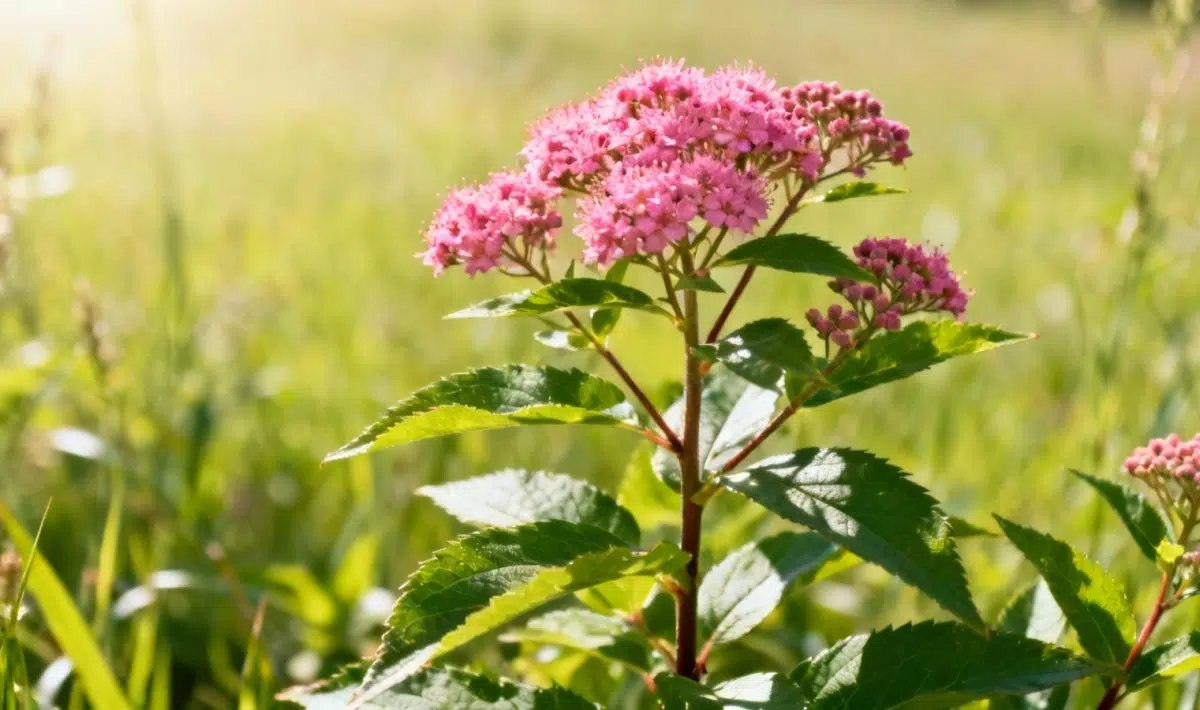
How much sunlight does Japanese meadowsweet need for optimal growth
Growing Japanese meadowsweet in your garden brings wonderful beauty with its delicate flowers and vibrant foliage. However, understanding how much sunlight does Japanese meadowsweet need remains crucial for achieving those stunning blooms that make this small shrub so beloved by gardeners across England and beyond.
The sun plays a vital role in plant development, much like how different plants have varying needs. For instance, understanding sunlight requirements for pineapple plants demonstrates how tropical species differ significantly from ornamental shrubs in their light preferences.
Essential sunlight requirements for Japanese meadowsweet
Japanese meadowsweet thrives with at least six hours of direct sunlight each day. This full sun exposure creates the ideal conditions for abundant flowering and maintains the plant’s natural compact growth habit. The morning sun proves particularly beneficial, as it helps dry dew from the leaves and reduces the risk of fungal issues.
During the first year after planting, providing consistent sunlight becomes even more critical. Young plants establish their root systems more effectively when they receive adequate light for photosynthesis. This energy production allows them to develop the strong foundation needed for years of beautiful blooms.
The intensity of sunlight affects not only flower production but also the plant’s overall health. In regions with intense summer heat, some afternoon shade can actually benefit the plant without compromising its flowering potential.
Understanding light levels and plant response
Full sun conditions typically mean six or more hours of direct sunlight daily. Under these conditions, Japanese meadowsweet produces its most impressive display of flowers, with blooms appearing in dense clusters that create a wonderful sensation in any garden setting.
Partial shade, defined as two to six hours of direct sunlight, represents the minimum acceptable light level. While the plant can survive in these conditions, you’ll notice reduced flowering and potentially leggier growth as the shrub stretches toward available light sources.
Deep shade situations should be avoided entirely. Japanese meadowsweet simply cannot maintain its characteristic form or flowering habit without sufficient light, regardless of how well other growing conditions are met.
Adapting to different garden conditions
Every garden presents different challenges and opportunities for plant placement. The key lies in understanding your specific site conditions and working with them rather than against them. A little creativity in garden design can help you find the perfect spot for your Japanese meadowsweet.
East-facing locations often provide ideal conditions, offering gentle morning sun followed by some afternoon protection. This exposure pattern mimics the plant’s preferred natural habitat and helps prevent stress during the hottest part of the day.
South-facing areas receive the most intense sun throughout the day. While Japanese meadowsweet can handle this exposure, ensure adequate moisture during dry spells to prevent stress that might impact flowering.
Seasonal considerations for optimal growth
Spring sunlight plays a crucial role in triggering new growth and bud formation. As days lengthen, the increased light exposure signals the plant to begin its active growing season. This natural rhythm has been perfected over time through the plant’s adaptation to seasonal changes.
Summer brings peak sunlight intensity, which supports maximum flower production. However, during extremely hot periods, some gardeners provide temporary afternoon shade using garden fabric or strategic placement of taller plants nearby.
Fall sunlight helps the plant prepare for dormancy while often triggering beautiful foliage color changes. The reduced light levels signal the plant to begin storing energy for the following year’s growth cycle.
Practical placement strategies
Choosing the right location involves more than just counting hours of sunlight. Consider the overall garden design and how your Japanese meadowsweet will fit into the existing landscape. The plant’s mature size and growth habit should influence your placement decision.
Mixed borders benefit greatly from Japanese meadowsweet’s versatility. Its moderate size makes it perfect for middle positions where it receives adequate light while providing structure to the garden composition.
Foundation plantings offer another excellent opportunity, particularly along south or east-facing walls where reflected light can supplement direct sun exposure. This positioning creates a wonderful view from indoor spaces while ensuring the plant’s light needs are met.
Companion planting for light optimization
Strategic companion planting can help optimize light conditions for your Japanese meadowsweet. Understanding how other plants interact with sunlight helps create more successful garden combinations that benefit all plants involved.
Shorter plants placed in front won’t compete for light, while taller background plants can provide beneficial afternoon shade in extremely hot climates. This layered approach creates visual interest while addressing practical growing requirements.
Similar to how gardeners must consider optimal sunlight for watermelon growth when planning vegetable gardens, ornamental plantings benefit from thoughtful light management across different plant types.
Troubleshooting common sunlight issues
When Japanese meadowsweet doesn’t receive adequate sunlight, several symptoms become apparent. Recognizing these signs early allows for corrective action before permanent damage occurs to the plant’s health or flowering potential.
Reduced flowering represents the most obvious indicator of insufficient light. Plants may produce healthy foliage but fail to develop the abundant blooms that make this species so desirable in garden settings.
Leggy growth patterns indicate the plant is stretching toward available light sources. This creates an unattractive form and weakens the overall structure, making the plant more susceptible to damage from wind or heavy rain.
Solutions for challenging locations
Not every garden offers perfect growing conditions, but creative solutions can help maximize available light for your Japanese meadowsweet. Sometimes small adjustments make significant differences in plant performance.
Pruning nearby trees or large shrubs can increase light penetration to previously shaded areas. This approach requires careful consideration of the overall garden design but often provides the most effective long-term solution.
Reflective mulches or light-colored hardscaping materials can help bounce additional light onto plants growing in marginal conditions. While not a complete substitute for direct sunlight, these techniques can provide supplemental illumination.
Container growing offers the ultimate flexibility for light optimization. Potted Japanese meadowsweet can be moved throughout the growing season to follow optimal light conditions, though this approach requires more intensive care and watering.
Maximizing bloom potential through proper care
Once you’ve established proper light conditions, additional care practices help ensure your Japanese meadowsweet reaches its full potential. The combination of adequate sunlight with appropriate maintenance creates the foundation for exceptional garden performance.
Regular watering becomes more critical in full sun locations where soil dries out faster. Deep, infrequent watering encourages strong root development while preventing stress that could impact flowering.
Much like understanding sunlight needs for growing spearmint helps herb gardeners, recognizing the relationship between light, water, and nutrition creates better growing outcomes for ornamental plants.
Pruning for light penetration
Proper pruning techniques help maintain optimal light penetration throughout the plant’s canopy. This practice becomes particularly important as Japanese meadowsweet matures and develops a denser growth habit.
Annual pruning in late winter removes dead or damaged wood while opening up the center of the plant for better air circulation and light penetration. This timing allows new growth to emerge before the main blooming season begins.
Selective thinning during the growing season can address areas where branches have become too dense. However, avoid heavy pruning during active growth periods as this can reduce flowering potential for the current season.
Regional considerations and climate adaptation
Different regions present unique challenges for growing Japanese meadowsweet successfully. Understanding your local climate helps determine the best approach to providing adequate sunlight while protecting the plant from extreme conditions.
In cooler northern regions, maximizing sun exposure becomes the primary concern. These areas rarely experience the intense heat that might require afternoon shade, making full sun locations ideal throughout the growing season.
Southern and warmer regions may benefit from morning sun with some afternoon protection. This approach provides the energy needed for photosynthesis while preventing heat stress during the most intense part of the day.
Coastal areas often have unique light conditions due to fog or marine layer effects. These regions may require strategic placement to ensure plants receive adequate direct sunlight despite periodic overcast conditions.
Seasonal light variations
Understanding how seasonal light changes affect your Japanese meadowsweet helps with long-term garden planning. The sun’s angle changes significantly throughout the year, affecting which areas of your garden receive optimal light at different times.
Winter sun angles may create shade in areas that receive full sun during summer months. This seasonal variation explains why some plants perform differently from year to year despite seemingly identical growing conditions.
Similar principles apply to other garden plants, such as ideal sunlight for oriental arborvitae, where understanding seasonal light patterns helps ensure consistent plant performance across all growing seasons.
Creating the perfect growing environment
Success with Japanese meadowsweet comes from creating a balance between adequate sunlight and other growing conditions. While light remains the primary factor for flowering, soil quality, drainage, and air circulation all contribute to overall plant health.
Well-draining soil becomes even more important in full sun locations where plants may experience periodic drought stress. Amending heavy clay soils with organic matter improves both drainage and the soil’s ability to retain moisture during dry periods.
Air circulation helps prevent fungal issues that can occur when plants receive adequate moisture but lack good airflow around the foliage. This consideration becomes particularly important in humid climates or during wet seasons.
Much like how annual flowers such as those requiring light requirements for China aster plants benefit from proper site preparation, shrubs like Japanese meadowsweet reward gardeners who invest time in creating optimal growing conditions from the start.
Creating the ideal environment for Japanese meadowsweet involves understanding that sunlight serves as the foundation for all other plant processes. With proper light exposure, this wonderful shrub will reward your efforts with seasons of beautiful blooms that bring joy to any garden setting. The time invested in choosing the right location and providing adequate care pays dividends through years of reliable performance and natural beauty.
Allan is a lifelong gardening enthusiast who still gets excited when the first seedlings pop up in spring. With a deep love for nature and a hands-in-the-soil approach, he shares practical tips, plant discoveries, and clever tricks picked up over years of digging, planting, and observing. Whether you’re a new gardener or have a shed full of tools, Allan writes like a neighbor who’s always happy to swap cuttings and stories over the fence.
You can find more about Allan’s work on Malt or connect with him on LinkedIn.