
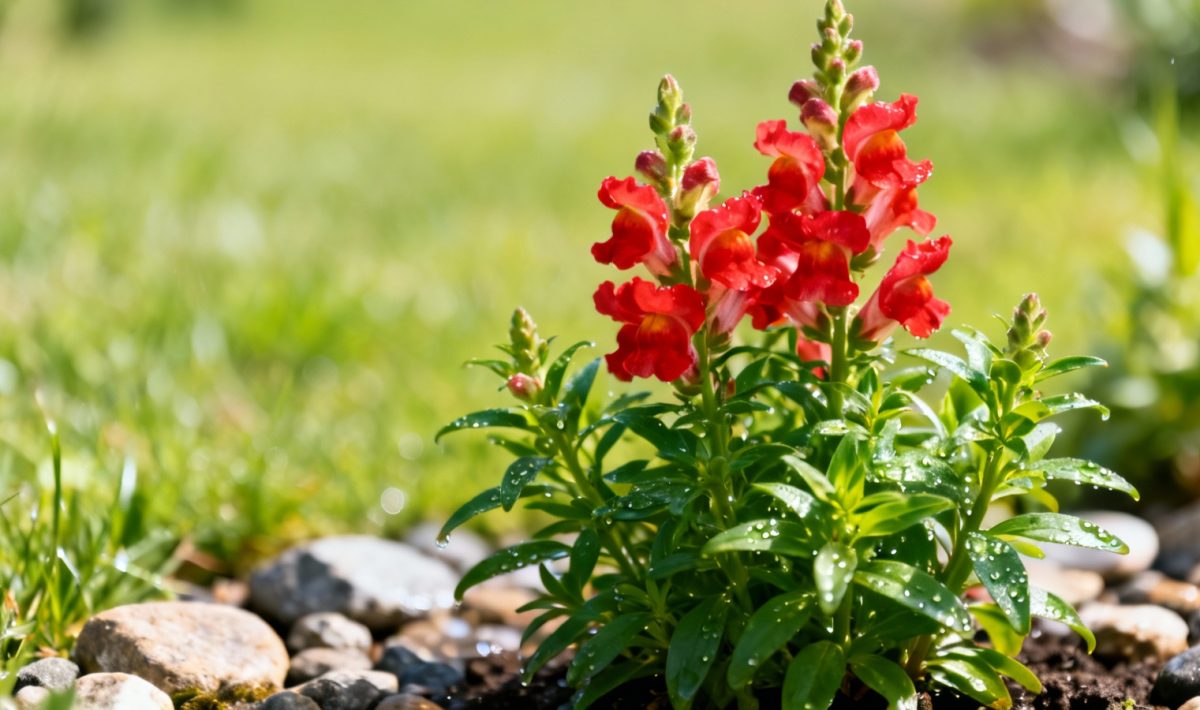
Garden snapdragons (Antirrhinum majus) bring remarkable color and charm to any flower bed, but getting the watering right can make all the difference between thriving blooms and disappointing results. Many gardeners struggle with finding the perfect balance, often wondering exactly how often should you water your garden snapdragon for optimal growth. The truth is, these beautiful flowers need consistent moisture without becoming waterlogged, and understanding their specific needs will help you achieve those stunning vertical flower spikes you’re hoping for.
Understanding snapdragon water requirements
Garden snapdragons prefer moderate watering that penetrates deeply into the soil rather than frequent shallow irrigation. These hardy annuals typically need water every 2-3 days during active growing periods, though this can vary significantly based on your local climate conditions. The key principle involves allowing the top inch of soil to dry slightly between watering sessions while ensuring the root zone maintains adequate moisture.
Different soil types will affect how often you need to reach for your watering can. Heavy clay soils retain water much longer than sandy compositions, which drain quickly and may require more frequent attention. Testing your soil’s drainage capacity helps determine whether you’re dealing with fast-draining conditions that need daily monitoring or slower-draining areas where weekly deep watering might suffice.
Weather patterns play a crucial role in determining watering frequency for your snapdragons. Hot, windy days increase evaporation rates significantly, while cool, humid conditions reduce water loss considerably. During peak summer months, you might need to water every other day, whereas spring and fall typically require less frequent irrigation.
Best watering techniques for healthy snapdragons
Morning watering provides the most benefits for snapdragon health and flower quality. Applying water before 10 AM allows plants to absorb moisture efficiently while minimizing evaporation losses that occur during midday heat. This timing also prevents water droplets from sitting on foliage overnight, which can lead to fungal diseases that damage both leaves and flower spikes.
The depth and method of watering matter tremendously for long-term plant health. Deep, thorough watering encourages roots to grow downward, creating more resilient plants that can better withstand dry spells. Shallow daily sprinklings actually harm snapdragons by keeping roots near the surface where they’re vulnerable to heat stress and drought conditions.
Consider installing a drip irrigation system or soaker hoses for consistent, efficient watering that delivers moisture directly to the root zone. These methods reduce water waste while maintaining the steady moisture levels that snapdragons appreciate. Just like how you might research watering your garden verbena properly for optimal results, understanding proper irrigation techniques ensures your investment in quality seeds pays off with spectacular blooms.
Recognizing watering problems and solutions
Overwatering presents just as many challenges as underwatering when growing healthy snapdragons. Signs of excessive moisture include yellowing lower leaves, musty odors around the plant base, and stunted growth despite adequate nutrition. Root rot can develop quickly in waterlogged conditions, often proving fatal to otherwise healthy plants.
Underwatered snapdragons display different but equally concerning symptoms. Wilting during cooler parts of the day, dry soil several inches below the surface, and reduced flower production all indicate insufficient moisture levels. The flowers may become smaller and less vibrant when plants struggle to maintain adequate hydration.
Monitoring soil moisture levels helps prevent both scenarios from damaging your flower display. Insert your finger 2-3 inches into the soil near your snapdragons to check moisture content before watering. If the soil feels dry at this depth, it’s time to provide a thorough drink. Similarly, you might find it helpful to learn about best practices for catmint watering since many gardeners grow these plants together successfully.
Seasonal watering adjustments
Spring planting requires careful attention as young snapdragon seedlings establish their root systems. During this critical period, maintain consistent soil moisture without creating soggy conditions that encourage damping-off disease. Light daily watering may be necessary for the first week or two after transplanting.
Summer brings the greatest watering challenges as heat stress and rapid evaporation test your irrigation schedule. Increase watering frequency to every 2 days during hot spells, and consider providing afternoon shade in extremely warm climates. Mulching around plants helps retain soil moisture and reduces the need for frequent watering.
Fall maintenance involves gradually reducing watering frequency as temperatures cool and growth slows. This preparation helps plants transition into dormancy or complete their life cycle naturally. Many gardeners who also grow herbs find that learning about optimal thyme watering schedule helps them understand how different plants respond to seasonal changes.
Advanced watering strategies
Container-grown snapdragons require different watering approaches compared to garden bed plantings. Pots dry out much faster than ground soil, often needing daily attention during warm weather. Choose containers with adequate drainage holes and use quality potting mix that retains moisture while allowing excess water to escape.
Group planting affects watering needs as mature snapdragons create their own microclimate through shade and windbreak effects. Dense plantings may require less frequent watering due to reduced evaporation, while scattered individual plants need more attention to maintain adequate moisture levels.
Water quality considerations can impact snapdragon health over time. Hard water with high mineral content may cause salt buildup in soil, while soft water lacks beneficial minerals that support healthy growth. Rainwater collection provides an excellent alternative that most flowering plants prefer. For indoor plant enthusiasts who also maintain houseplants, understanding principles like those used in caring for your Norfolk Island pine can inform outdoor gardening practices.
Maximizing flower quality through proper irrigation
Consistent watering schedules promote longer blooming periods and more robust flower spikes. Snapdragons that receive steady moisture produce larger, more colorful flowers with better stem strength for cutting arrangements. Stress from irregular watering often results in shorter bloom times and reduced flower quality.
The relationship between watering and fertilizer uptake affects overall plant performance significantly. Plants absorb nutrients more effectively when soil moisture levels remain consistent, leading to healthier foliage and more prolific flowering. Proper irrigation supports the plant’s ability to utilize organic matter and added fertilizers efficiently.
Temperature monitoring helps fine-tune your watering approach for maximum flower production. Cool, cloudy days require less water than hot, sunny periods, even when air temperatures seem similar. Paying attention to these subtle environmental changes helps you provide exactly what your snapdragons need for peak performance throughout the growing season.

Allan is a lifelong gardening enthusiast who still gets excited when the first seedlings pop up in spring. With a deep love for nature and a hands-in-the-soil approach, he shares practical tips, plant discoveries, and clever tricks picked up over years of digging, planting, and observing. Whether you’re a new gardener or have a shed full of tools, Allan writes like a neighbor who’s always happy to swap cuttings and stories over the fence.
You can find more about Allan’s work on Malt or connect with him on LinkedIn.


