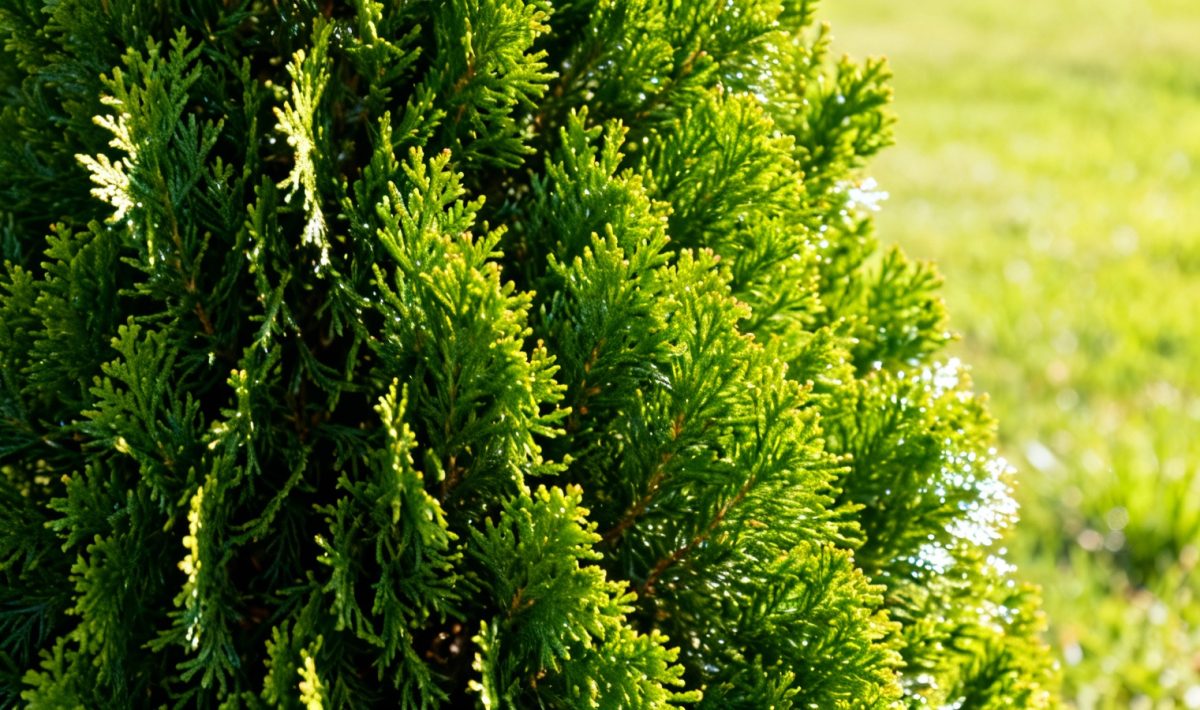
The Oriental arborvitae (Platycladus orientalis) thrives when it receives at least 6 hours of direct sunlight daily. This magnificent evergreen tree transforms any garden space with its distinctive golden-green foliage, but only when provided with adequate light exposure. Understanding how much sunlight does Oriental arborvitae need is crucial for achieving the dense, vibrant growth that makes this tree so desirable for landscaping projects.
Like many sun-loving plants, including those with specific requirements such as spearmint’s sunlight needs for growth, the Oriental arborvitae performs best under full sun conditions. The tree’s photosynthesis process relies heavily on direct sunlight to produce the energy needed for robust growth and that characteristic golden hue gardeners love.
Why proper light exposure matters
When Oriental arborvitae receives insufficient sunlight, you’ll notice several concerning changes in its appearance. The foliage becomes sparse and loses its vibrant color, turning from golden-green to a pale, yellowish tone. Additionally, the tree’s growth rate significantly decreases, and its natural compact shape becomes loose and straggly.
Full sun exposure, meaning 6+ hours of direct sunlight per day, ensures your Oriental arborvitae develops the dense branching pattern that makes it perfect for privacy screens or ornamental focal points. This level of light intensity also promotes the development of the tree’s signature golden tips, which are particularly pronounced in the ‘Aurea’ variety.
Optimal growing conditions for oriental arborvitae
Beyond understanding how much sunlight Oriental arborvitae requires, successful cultivation depends on creating the right overall environment. These trees adapt well to various soil types but prefer well-draining conditions that prevent waterlogged roots. The combination of proper drainage and full sun exposure creates the ideal foundation for healthy growth.
Just as different plants have varying light needs – for instance, China aster’s sunlight requirements differ significantly from evergreen trees – Oriental arborvitae has specific preferences that shouldn’t be compromised. Morning sun is particularly beneficial, as it helps dry dew from the foliage and reduces the risk of fungal diseases.
Managing sun exposure in different climates
In extremely hot climates, Oriental arborvitae can tolerate some afternoon shade, particularly during the hottest summer months. However, this should never reduce the total daily sun exposure below 6 hours. The tree’s drought tolerance improves significantly when it receives adequate sunlight, as proper photosynthesis strengthens its overall resilience.
During winter months, ensuring your Oriental arborvitae receives maximum available sunlight becomes even more critical. The reduced daylight hours mean every moment of sun exposure counts for maintaining the tree’s health through the dormant season.
Signs of improper light conditions
Recognizing the symptoms of inadequate sunlight helps you adjust your Oriental arborvitae’s placement before permanent damage occurs. Watch for these warning signs:
Thinning foliage, particularly in the interior branches
Increased susceptibility to pest and disease issues
Overall poor vigor and slow growth rate
Purchasing and planting considerations
When shopping for Oriental arborvitae, whether as seedlings or mature plants, prioritize quality over price. Look for specimens with dense, well-colored foliage and strong central leaders. The investment in a healthy tree pays dividends when planted in the proper sunny location.
Many gardeners find success starting from seeds, which allows them to control growing conditions from the very beginning. Like other plants with specific cultivation needs – similar to how optimal sunlight for watermelon growth affects fruit production – providing proper light from germination establishes strong, healthy root systems.
Spacing and placement strategies
Proper spacing ensures each Oriental arborvitae receives adequate sunlight without competing with neighboring plants. Allow 5-6 feet between individual trees for optimal light penetration and air circulation. This spacing prevents the lower branches from becoming shaded by adjacent plants.
Consider the mature size when selecting planting locations. Oriental arborvitae can reach 15-20 feet in height, so ensure nearby structures won’t cast shadows as the tree grows. Southern exposures typically provide the most consistent sunlight throughout the day.
Seasonal care and maintenance
Regular pruning helps maintain the tree’s shape while ensuring sunlight penetrates to interior branches. Remove any dead or damaged growth promptly, as these areas can harbor diseases that spread more easily in low-light conditions. Light annual pruning in early spring, before new growth begins, keeps the tree compact and healthy.
During the growing season, monitor soil moisture levels carefully. While Oriental arborvitae tolerates some drought once established, consistent moisture supports optimal growth when combined with proper sun exposure. Water deeply but infrequently to encourage deep root development.
Long-term benefits and garden value
Oriental arborvitae grown in proper sunlight conditions provides decades of garden beauty with minimal maintenance. The tree’s evergreen nature ensures year-round interest, while its golden-tipped foliage adds warmth to winter landscapes. Understanding the light requirements from the start prevents future problems and ensures your investment thrives.
Unlike annual plants that require replanting each season – such as understanding sunlight requirements for growing pineapple in tropical gardens – Oriental arborvitae represents a long-term landscape commitment that rewards proper care with consistent beauty. The tree’s adaptability to various garden styles makes it valuable for both formal and naturalistic designs.
Whether you’re creating privacy screens, foundation plantings, or specimen focal points, Oriental arborvitae grown in full sun delivers the dense, vibrant growth that makes these trees garden favorites. The initial attention to proper light requirements sets the foundation for years of gardening success with this remarkable evergreen.
Allan is a lifelong gardening enthusiast who still gets excited when the first seedlings pop up in spring. With a deep love for nature and a hands-in-the-soil approach, he shares practical tips, plant discoveries, and clever tricks picked up over years of digging, planting, and observing. Whether you’re a new gardener or have a shed full of tools, Allan writes like a neighbor who’s always happy to swap cuttings and stories over the fence.
You can find more about Allan’s work on Malt or connect with him on LinkedIn.