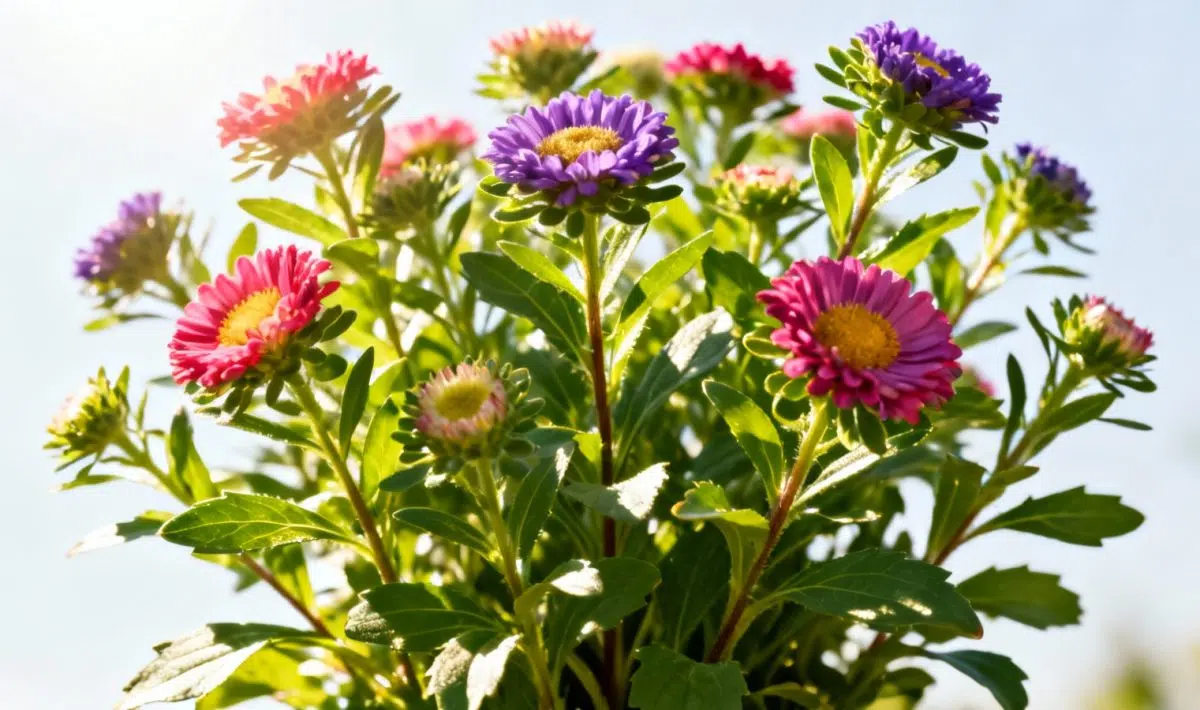
How much sunlight does China aster need for optimal growth
China asters are absolutely stunning flowers that can transform any garden with their vibrant colors and delicate petals. When you’re planning to grow these beautiful plants, understanding their sunlight needs is crucial for successful cultivation. The amount of light your asters receive directly impacts their germination, growth, and the quality of their blooms.
China asters thrive best in full sun conditions, requiring at least 6 to 8 hours of direct sunlight daily. These plants are sun-loving flowers that perform exceptionally well when they receive abundant natural light throughout the day. Full sun exposure ensures robust growth, vibrant flower colors, and strong stems that can support beautiful bouquets.
Much like other flowering plants, asters need consistent light to develop their characteristic blooms. The sun provides the energy necessary for photosynthesis, which fuels the plant’s growth and flower production. When asters receive adequate sunlight, they produce more flowers with richer colors that are perfect for garden displays and cut flower arrangements.
Optimal growing conditions for healthy asters
While sunlight is essential, the type and intensity of light also matter significantly for your aster plants. Direct morning sunlight is particularly beneficial as it helps dry dew from the leaves, reducing the risk of fungal diseases. The afternoon sun provides the energy boost these plants need for continued growth and flowering.
Well-drained soil combined with full sun creates the perfect environment for asters. These conditions allow the plants to establish strong root systems while maximizing their flowering potential. When you’re selecting seeds or plants from various catégories available, always check the description to ensure you’re getting varieties suited for your light conditions.
For gardeners exploring different plant options, understanding light requirements is universal. Just as you might research sunlight requirements for growing pineapples for tropical gardening, knowing your aster’s needs ensures successful cultivation.
Managing partial shade and challenging conditions
While China asters prefer full sun, they can tolerate partial shade in certain situations. However, plants grown in partial shade typically produce fewer flowers and may have weaker stems. If your garden has limited sun exposure, choose the sunniest available spots for your asters to maximize their blooming potential.
In areas with intense afternoon heat, some light afternoon shade can actually benefit the plants by preventing stress and wilting. This is particularly important in warmer climates where intense sun might be too harsh for optimal growth. Monitor your plants carefully and adjust their location if needed.
Container gardening offers flexibility for managing light exposure. You can move pots to follow the sun throughout the day or relocate them if they’re receiving too much direct heat. This approach works well for gardeners with limited space or those wanting to experiment with different growing conditions.
Seasonal considerations and planting tips
Spring is the best time for planting aster seeds, when the soil warms up and daylight hours increase. The longer days provide more sunlight for germination and early growth. Start your seeds indoors if you want to get a head start on the growing season, then transplant them outside once the danger of frost has passed.
Summer care focuses on maintaining consistent sunlight exposure while protecting plants from extreme heat. Regular watering becomes crucial during hot periods, as full sun conditions can quickly dry out the soil. Similar to how optimal sunlight for watermelon plants requires balance with moisture, asters need both adequate light and proper hydration.
Fall brings the reward of beautiful blooms when your asters have received proper sunlight throughout the growing season. The cooler temperatures combined with bright autumn sun create ideal conditions for the most spectacular flower displays of the year.
Choosing the right varieties and growing tips
Different aster varieties may have slightly different light preferences, so always read the produit détails when purchasing seeds or plants. Some dwarf varieties work well in containers with good sun exposure, while taller varieties need full garden space with unobstructed sunlight.
When shopping for aster seeds, look for options that offer detailed growing instructions. Quality graines come with comprehensive care guidelines that specify exact sunlight requirements for optimal results. Many suppliers provide nouvelle varieties each season with improved characteristics for various growing conditions.
Consider companion planting with other sun-loving flowers to create stunning garden displays. Research the light needs of potential companions, such as exploring sunlight needs for spearmint growth if you’re planning an herb garden nearby.
Common mistakes and solutions
One frequent mistake is planting asters in areas with insufficient sunlight, expecting them to perform like shade-tolerant plants. This results in weak, leggy growth with poor flowering. Always prioritize locations with maximum sun exposure for the best results.
Another common error is not considering the mature size of surrounding plants when choosing planting locations. What starts as a sunny spot in spring might become shaded as other plants grow throughout the season. Plan your garden layout carefully to ensure continued sun access.
Overcrowding is also problematic as it can create shade and reduce air circulation. Give your asters adequate space to receive full sunlight and develop properly. This spacing consideration applies to many garden plants, including larger specimens like those discussed in sunlight guidelines for giant taro.
Maximizing your growing success
To ensure your China asters reach their full potential, monitor their light exposure throughout the growing season. Take note of how shadows change as the sun’s angle shifts, and be prepared to make adjustments if necessary.
Regular care combined with proper sunlight creates the foundation for healthy plants that produce abundant flowers. These blooms are perfect for fresh bouquets and garden décoration, making your effort worthwhile. Quality seeds paired with optimal growing conditions result in impressive displays that enhance any outdoor space.
Whether you’re growing asters for personal enjoyment or considering them for vente, proper sunlight management is essential for success. Even established trees and perennial plants, such as those covered in guides about sunlight conditions for hackberry trees, require similar attention to light requirements.
With the right amount of sunlight, proper soil preparation, and consistent care, your China asters will reward you with beautiful flowers that brighten your garden and provide excellent cut flowers for indoor arrangements. Start planning your aster garden today and enjoy these magnificent blooms throughout the growing season.
Allan is a lifelong gardening enthusiast who still gets excited when the first seedlings pop up in spring. With a deep love for nature and a hands-in-the-soil approach, he shares practical tips, plant discoveries, and clever tricks picked up over years of digging, planting, and observing. Whether you’re a new gardener or have a shed full of tools, Allan writes like a neighbor who’s always happy to swap cuttings and stories over the fence.
You can find more about Allan’s work on Malt or connect with him on LinkedIn.