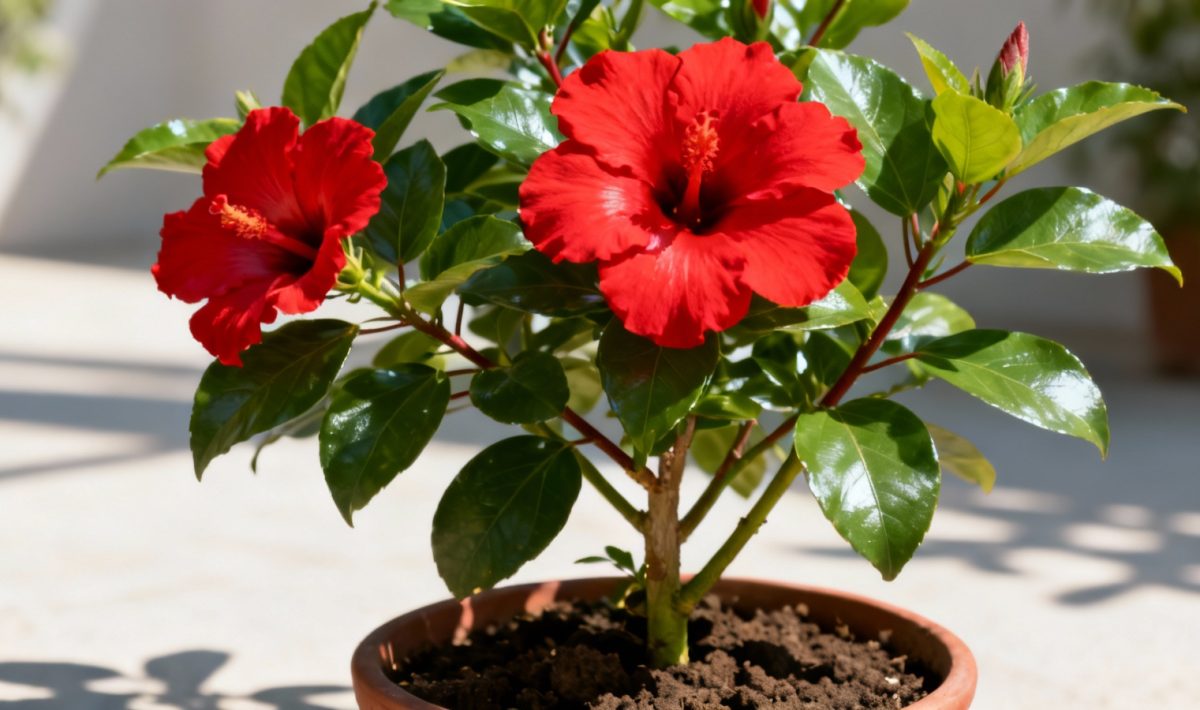
How much sunlight does China rose need for optimal planting and care
Growing a beautiful China rose starts with understanding its light requirements. This vibrant flowering plant needs specific sunlight conditions to thrive and produce those stunning blooms that gardeners love. Understanding how much sunlight China rose needs will help you create the perfect growing environment for this remarkable plant.
China rose, scientifically known as Rosa chinensis, is a robust plant that performs best with abundant sunlight exposure. This flowering beauty originates from subtropical regions where bright, direct sunlight is plentiful. The plant has evolved to make the most of intense light conditions, which directly impacts its growth patterns and flowering capacity.
The photosynthesis process in China rose depends heavily on adequate light exposure. When you provide the right amount of sunlight, the plant can produce the energy it needs for healthy growth, strong stems, and abundant flower production. Without sufficient light, you’ll notice reduced vigor and fewer blooms from your rose plants.
Optimal daily sunlight exposure
For the best results, China rose requires 6 to 8 hours of direct sunlight daily. This extended exposure ensures the plant receives enough energy to support its vigorous growth habit and continuous blooming cycle. Morning sunlight is particularly beneficial as it helps dry dew from the leaves, reducing the risk of fungal diseases.
However, China rose can tolerate partial shade conditions with approximately 4 hours of direct sunlight. While the plant will still grow in these conditions, you’ll notice reduced flowering intensity and fewer blooms overall. The stems may also become more elongated as the plant stretches toward available light sources.
Signs of inadequate lighting
When your China rose doesn’t receive enough sunlight, several symptoms become apparent. The most obvious sign is reduced flowering, with fewer buds forming and smaller blooms when they do appear. You might also notice the plant developing weak, spindly stems that struggle to support the weight of flowers and foliage.
Leaf color can also indicate lighting issues. Plants receiving insufficient light often develop pale green or yellowish leaves instead of the rich, dark green foliage characteristic of healthy China roses. Additionally, the plant may show increased susceptibility to pests and diseases due to weakened overall health.
Choosing the perfect location
Selecting the right spot for your China rose is crucial for success. Whether you’re planting seeds or established plants, location determines how much quality sunlight your rose will receive. South-facing areas typically provide the most consistent light throughout the day, making them ideal for China rose cultivation.
Consider the surrounding landscape when choosing your planting location. Tall trees, buildings, or other structures can cast shadows that reduce available sunlight. Much like the sunlight requirements for Lady Banks’s rose, China rose needs unobstructed access to morning and afternoon sun for optimal performance.
Indoor vs outdoor growing
While China rose can be grown indoors, outdoor cultivation typically provides better results due to natural light availability. Indoor growers often struggle to provide adequate light intensity and duration. If you must grow indoors, choose the brightest available window, preferably south-facing, to maximize natural light exposure.
For outdoor planting, ensure good air circulation around your plants while maintaining full sun exposure. This combination helps prevent fungal issues while supporting healthy growth. The plant’s natural vigor makes it well-suited to garden beds, borders, and even container growing in sunny locations.
Supplemental lighting options
When natural sunlight is insufficient, grow lights can supplement your China rose’s lighting needs. LED grow lights are particularly effective, providing the full spectrum of light that plants require for photosynthesis. Position lights 12-18 inches above the plant canopy for optimal coverage without causing heat stress.
Full-spectrum LED lights should run for 12-14 hours daily when used as the primary light source. This extended duration compensates for the lower intensity compared to natural sunlight. Many successful growers combine natural window light with supplemental artificial lighting for consistent results.
Timing and light cycles
China rose doesn’t require specific day/night cycles like some flowering plants, but consistent lighting schedules promote better growth. Maintain regular lighting patterns whether using natural sunlight, artificial lights, or a combination of both. This consistency helps the plant establish healthy growth rhythms.
During winter months, shorter days may require supplemental lighting even for outdoor plants. Consider the seasonal variations in your area when planning your rose garden. Similar to how sunlight needs of Confederate rose vary by season, China rose benefits from adjusted care during different times of year.
Maximizing light quality
Not all sunlight is created equal for plant growth. Morning sunlight is gentler and helps plants prepare for the day ahead, while intense midday sun provides the energy needed for active photosynthesis. Late afternoon sun can be beneficial but watch for signs of heat stress during extremely hot weather.
Reflected light from nearby surfaces can also contribute to your plant’s overall light exposure. White walls, light-colored mulch, or reflective materials can help increase available light without adding heat stress. This technique is particularly useful for gardeners with partially shaded areas.
Seasonal considerations
Sunlight availability changes throughout the growing season, affecting your China rose’s performance. Spring and early summer typically provide ideal conditions with moderate temperatures and increasing daylight hours. During peak summer, monitor plants for heat stress even when light levels are optimal.
Fall growing conditions often mirror those of spring, with good light quality but shorter days. Just as optimal sunlight for common borage varies seasonally, adjust your expectations for China rose performance during different seasons while maintaining consistent care practices.
Common lighting mistakes
Many gardeners underestimate how much direct sunlight China rose actually needs. Placing plants in areas with filtered light or partial shade often leads to disappointing results. Even locations that seem bright to human eyes may not provide sufficient light intensity for optimal rose growth and flowering.
Another frequent mistake is assuming that longer periods of weak light can substitute for shorter periods of intense light. Plants require both adequate intensity and duration for proper photosynthesis. Quality matters as much as quantity when it comes to sunlight exposure.
Monitoring and adjustments
Regular observation helps you determine if your China rose is receiving adequate sunlight. Watch for changes in growth patterns, flowering frequency, and overall plant health. Healthy plants with sufficient light will show steady growth, regular blooming, and deep green foliage color.
Be prepared to relocate plants or adjust growing conditions if needed. Container-grown roses offer more flexibility for location changes than garden-planted specimens. Much like understanding sunlight needs of mango trees, successful China rose cultivation requires ongoing attention to light requirements.
Getting the best results
Success with China rose comes from providing consistent, adequate sunlight combined with proper care practices. When plants receive their optimal 6-8 hours of direct sunlight daily, you can expect vigorous growth, abundant flowering, and strong disease resistance. This makes them excellent choices for gardeners seeking reliable, beautiful flowering plants.
Remember that sunlight requirements work in conjunction with other care factors like soil quality, watering, and nutrition. While adequate light is essential, the best results come from addressing all of the plant’s needs comprehensively. With proper attention to lighting and overall care, your China rose will reward you with stunning blooms throughout the growing season.
Allan is a lifelong gardening enthusiast who still gets excited when the first seedlings pop up in spring. With a deep love for nature and a hands-in-the-soil approach, he shares practical tips, plant discoveries, and clever tricks picked up over years of digging, planting, and observing. Whether you’re a new gardener or have a shed full of tools, Allan writes like a neighbor who’s always happy to swap cuttings and stories over the fence.
You can find more about Allan’s work on Malt or connect with him on LinkedIn.