
Understanding Rosa canina: the dog rose
The dog rose, scientifically known as Rosa canina, stands as one of Europe’s most recognizable wild roses. This hardy deciduous shrub naturally thrives in hedgerows, woodland edges, and hillsides across the continent, reaching heights of 1 to 5 meters with similar spread. Its remarkable cold tolerance extends to -25°C to -30°C, making it suitable for USDA zones 3-10.
What makes this plant particularly fascinating is its dual nature as both an ornamental species and a valuable source of nutrition. The rose hips produced by Rosa canina contain exceptionally high levels of vitamin C, often surpassing citrus fruits in their concentration. This characteristic has made the dog rose a staple in traditional medicine and modern herbal preparations.
As a member of the Rosaceae family, the dog rose shares characteristics with cultivated roses while maintaining the ruggedness that allows it to flourish without human intervention. For those interested in exploring other rose varieties, care tips for China rose provide insights into managing more delicate rose species.
Botanical characteristics of dog rose
Physical appearance and structure
The dog rose presents a distinctive appearance with its arching canes that can form sprawling thickets. The plant’s stems are characterized by curved thorns that help it climb through other vegetation. These thorns, while sharp, serve as natural protection and enable the plant to compete effectively in wild environments.
The compound leaves typically feature 5-7 leaflets with serrated edges, displaying a fresh green color throughout the growing season. During autumn, the foliage often develops attractive yellow tones before dropping. The plant’s deciduous nature means it enters dormancy during winter, conserving energy for the following year’s growth.
Flowering and fruiting cycle
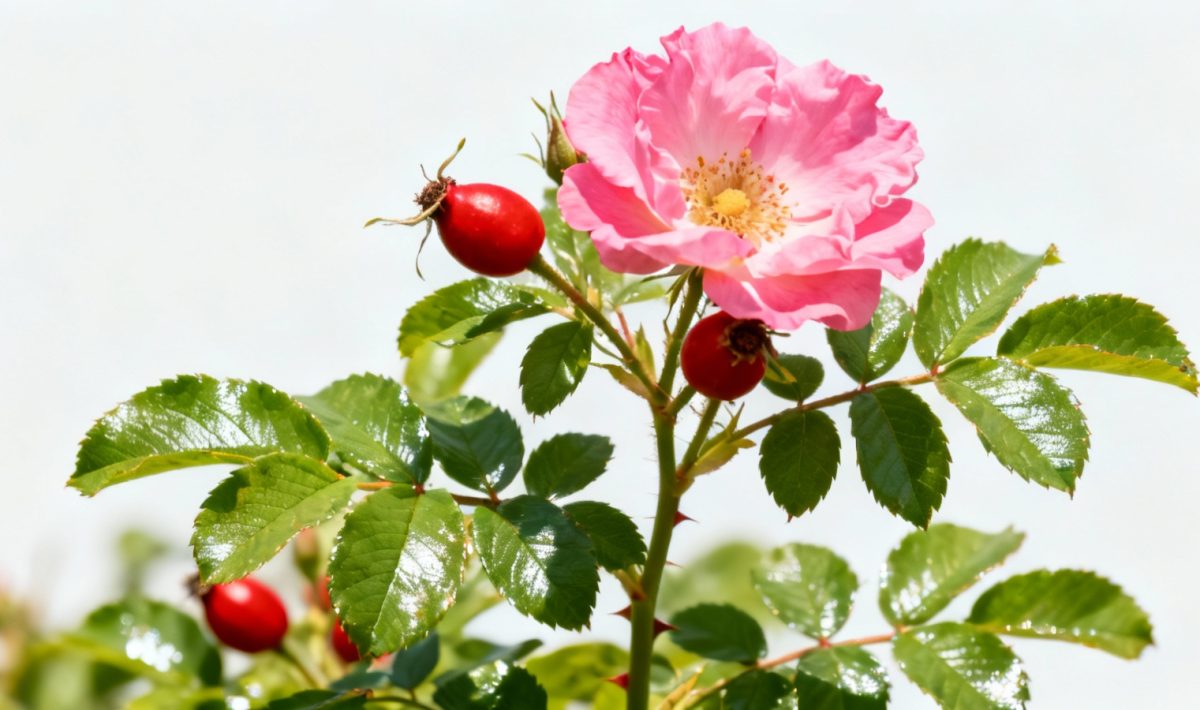
From May through July, Rosa canina produces simple flowers measuring 4-5 centimeters across. Each bloom features five delicate petals in shades ranging from pale pink to white, often fading to pure white as they age. The flowers emit a subtle fragrance and contain prominent golden stamens that attract various pollinators including bees, butterflies, and other beneficial insects.
Following successful pollination, the plant develops its characteristic rose hips during late summer and autumn. These oval-shaped fruits mature from green to bright red, reaching 1-1.5 centimeters in length. The timing of fruit development makes them available when many other food sources become scarce, providing essential nutrition for wildlife.
Cultivation requirements for Rosa canina
Soil and site preparation
Dog roses demonstrate remarkable adaptability to various soil conditions, though they perform best in well-draining sites. The plant tolerates both slightly acidic and alkaline soils, with a pH range of 6.0-8.0 proving optimal. Heavy clay soils should be amended with organic matter to improve drainage, while sandy soils benefit from compost addition to enhance water retention.
Site selection plays a crucial role in successful cultivation. Choose locations receiving at least six hours of direct sunlight daily, as insufficient light leads to weak growth and reduced flowering. The plant’s natural habitat preferences suggest it thrives in areas with good air circulation, which helps prevent fungal diseases common in stagnant air conditions.
Planting techniques and spacing
When establishing Rosa canina plants, timing proves critical for success. Plant bare-root specimens during late autumn or early spring while the plant remains dormant. Container-grown plants can be installed throughout the growing season, though spring and autumn plantings typically establish more successfully.
Proper spacing ensures adequate air circulation and prevents competition between plants. Allow 2-3 meters between individual specimens when creating informal hedging or wildlife corridors. For single specimen plantings, ensure surrounding vegetation won’t crowd the developing plant during its first few years of establishment.
Gardeners working with various flowering plants might find similarities with other species requiring careful attention to spacing and site conditions, such as those detailed in growing Confederate rose successfully.
Care and maintenance practices
Watering and irrigation
Established dog roses require minimal supplemental watering once their root systems develop. During the first growing season, provide deep watering weekly during dry spells to encourage deep root development. The key lies in avoiding frequent shallow watering, which promotes surface root growth and reduces drought tolerance.
Monitor soil moisture levels during extended dry periods, particularly in sandy soils that drain quickly. Apply water slowly at the base of the plant rather than overhead watering, which can promote foliar diseases. Mulching around the root zone helps retain moisture while suppressing competing weeds.
Pruning and seasonal care
Rosa canina benefits from selective pruning to maintain shape and encourage vigorous growth. Remove dead, diseased, or crossing branches during late winter or early spring before new growth begins. Light pruning suffices for most plants, as excessive cutting can reduce flower and fruit production.
The plant’s natural growth habit requires minimal intervention in wild garden settings. However, in more formal landscapes, annual pruning helps contain size and promotes air circulation through the center of the plant. Remove about one-third of the oldest canes each year to encourage new growth from the base.
Understanding proper pruning techniques applies to many garden plants, including those with different growth habits like essential Oleander care guidelines which detail maintenance for evergreen flowering shrubs.
Propagation methods for dog rose
Seed propagation techniques
Growing Rosa canina from seed requires patience but offers the satisfaction of raising plants from their natural reproductive cycle. Collect ripe rose hips during autumn when they develop full color and slight softness. Extract seeds from the flesh and clean them thoroughly before beginning the stratification process.
Seeds require cold stratification lasting 2-4 months to break dormancy effectively. Mix cleaned seeds with slightly moist sand or peat moss in sealed containers, then refrigerate at 2-4°C. Check periodically for signs of germination, which may begin during the stratification period itself.
Sow stratified seeds in spring using well-draining seed compost. Maintain consistent moisture without waterlogging, as excess water can cause seed rot. Germination rates vary widely, often ranging from 30-70% depending on seed quality and treatment methods.
Vegetative propagation options
Hardwood cuttings taken during dormancy provide a faster route to established plants. Select healthy one-year-old wood during late autumn or winter, cutting pieces 20-25 centimeters long. Make clean cuts just below nodes and treat cut ends with rooting hormone if desired.
Insert cuttings into well-draining propagation medium with two-thirds of their length buried. Maintain consistent moisture throughout winter and spring, expecting root development within 3-4 months. Success rates for hardwood cuttings typically exceed those of other propagation methods.
Suckers arising from the base of established plants offer another propagation opportunity. Carefully separate these shoots with their own root systems during dormancy, ensuring each division retains adequate roots for independent growth.
Uses and benefits of Rosa canina
Nutritional and medicinal applications
Rose hips from Rosa canina provide exceptional nutritional value, containing vitamin C concentrations that can exceed 1000mg per 100g of fresh fruit. This makes them valuable for supporting immune system function, particularly during winter months when other vitamin C sources become scarce. Traditional preparation methods include syrups, jams, and herbal teas that preserve these beneficial compounds.
The plant’s medicinal applications extend beyond vitamin C content. Rose hips contain antioxidants, flavonoids, and other bioactive compounds that have been studied for their anti-inflammatory properties. However, proper identification and preparation remain essential, as processing methods can significantly affect the retention of beneficial compounds.
Ecological and landscape value
In garden settings, Rosa canina provides year-round interest through its seasonal changes. Spring growth, summer flowering, and autumn fruit display create dynamic visual appeal. The plant’s wildlife value extends throughout the year, supporting pollinators during flowering and providing food for birds during autumn and winter.
The dog rose’s natural growth habit makes it excellent for informal hedging, wildlife corridors, and naturalized plantings. Its thorny nature provides secure nesting sites for small birds while deterring larger animals from sensitive garden areas. This dual function of beauty and utility makes it valuable in sustainable landscape design.
Plant enthusiasts exploring different species for their gardens might appreciate the variety available, from outdoor shrubs like Rosa canina to indoor plants such as tips for caring for Philodendron ‘Birkin’, which offers tropical foliage for interior spaces.
Common challenges and solutions
While Rosa canina demonstrates remarkable resilience, certain issues can affect plant health and performance. Aphid infestations during spring growth flushes represent the most common pest problem. Monitor plants regularly and encourage beneficial insects that naturally control aphid populations.
Fungal diseases occasionally affect plants grown in areas with poor air circulation or excessive moisture. Black spot and powdery mildew can be minimized through proper site selection and avoiding overhead watering. Remove affected foliage promptly and dispose of it away from the garden to prevent disease spread.
In some regions, Rosa canina can become invasive if not managed appropriately. Regular deadheading before seed set helps prevent unwanted spread while encouraging continued flowering. Understanding local regulations regarding native and non-native plant species ensures responsible gardening practices.
Similar care considerations apply to many garden plants, including specialized species like Monstera obliqua care essentials, though the specific requirements differ significantly between outdoor shrubs and tropical houseplants.
Conclusion
Rosa canina represents an excellent choice for gardeners seeking hardy, low-maintenance plants that provide multiple benefits. Its combination of ornamental value, wildlife support, and practical uses makes it suitable for various garden styles from formal landscapes to wild gardens. The plant’s natural resilience and adaptability ensure success even for novice gardeners willing to provide basic care requirements.
Whether grown for its vitamin-rich fruits, attractive flowers, or ecological benefits, the dog rose rewards minimal effort with maximum return. Its ability to thrive in challenging conditions while supporting local wildlife makes it an increasingly valuable addition to sustainable garden designs focused on environmental stewardship and natural beauty.

Allan is a lifelong gardening enthusiast who still gets excited when the first seedlings pop up in spring. With a deep love for nature and a hands-in-the-soil approach, he shares practical tips, plant discoveries, and clever tricks picked up over years of digging, planting, and observing. Whether you’re a new gardener or have a shed full of tools, Allan writes like a neighbor who’s always happy to swap cuttings and stories over the fence.
You can find more about Allan’s work on Malt or connect with him on LinkedIn.


