
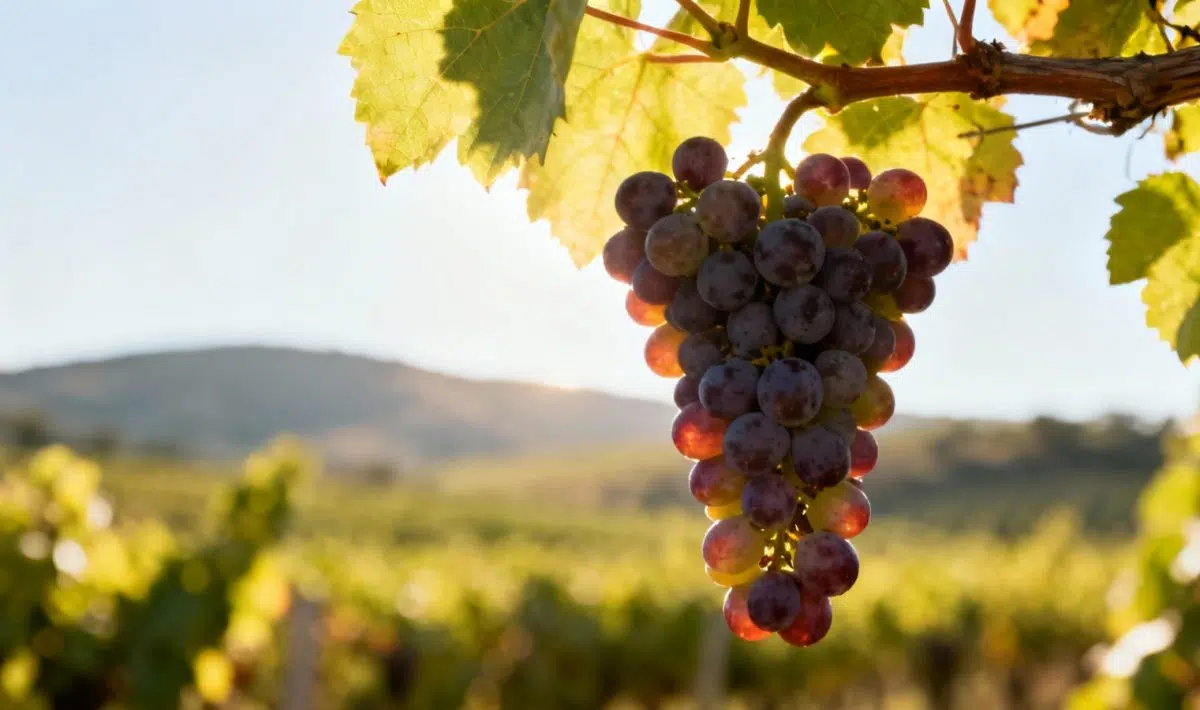
Understanding sunlight requirements for wine grapes
Growing wine grapes successfully starts with understanding their fundamental need for abundant sunlight. These sun-loving plants require specific light conditions to develop the sugars, acids, and flavor compounds that make quality wine possible. The relationship between sunlight exposure and grape development is so crucial that experienced vintners often say “wine is made in the vineyard,” with light being the driving force behind this process.
Wine grapes need approximately 6 to 8 hours of direct sunlight daily for optimal growth and fruit development. This requirement isn’t just about quantity – the quality and intensity of light throughout different growth phases directly impacts the final grape composition. Understanding these needs helps both commercial growers and home gardeners create the best conditions for their vines.
Optimal daily sun exposure for wine grapes
The ideal sunlight exposure for wine grapes falls between 6 to 8 hours of direct sun per day, though some varieties can thrive with slightly more. This exposure should be consistent throughout the growing season, from bud break in spring through harvest in fall. Morning sunlight is particularly valuable as it helps dry dew from the leaves, reducing disease pressure while kickstarting photosynthesis for the day.
Different grape varieties show varying tolerance to intense sunlight. Cool-climate grapes like Pinot Noir perform best with 6-7 hours, while warm-climate varieties such as Cabernet Sauvignon can handle and benefit from 8+ hours of direct sun. The key is matching your grape type to your local light conditions.
Much like how different plants have varying needs – for instance, sunlight requirements for catnip plants differ significantly from grape vines – understanding your specific variety’s preferences is essential for success.
Seasonal variations in light needs
Wine grape sunlight requirements change throughout the growing season. During spring bud break and early growth, vines benefit from gradually increasing sun exposure. The critical period comes during summer when fruit development accelerates – this is when maximum sunlight becomes essential for sugar accumulation and flavor compound development.
Fall brings a different dynamic where some grape varieties actually benefit from slightly reduced light intensity to slow sugar accumulation while maintaining acidity. However, consistent light remains important for complete ripening and avoiding issues like uneven coloration in red grape varieties.
Impact of shade on wine grape quality
Insufficient sunlight creates multiple problems for wine grapes that go beyond simple growth issues. Shaded vines produce grapes with lower sugar content, higher acidity, and reduced flavor intensity. The plants themselves become more susceptible to fungal diseases due to poor air circulation and slower drying after rain or morning dew.
Partial shade conditions (less than 6 hours of direct sun) result in delayed ripening, uneven fruit development, and increased vegetative growth at the expense of fruit production. This creates a cycle where excessive foliage further blocks light from reaching the grape clusters, compounding the problem.
Maximizing light exposure in your vineyard
Proper vine spacing and training systems dramatically impact light penetration. Rows should run north-south when possible to maximize sun exposure throughout the day. Adequate spacing between vines (typically 6-8 feet) ensures each plant receives sufficient light without competition from neighbors.
Regular pruning and canopy management are essential for maintaining optimal light conditions. Remove excess foliage around grape clusters during summer to improve light penetration and air circulation. This practice, called leaf pulling or leaf thinning, should be done carefully to avoid sunburning exposed fruit.
Soil conditions that complement sunlight needs
Well-draining soil is crucial for wine grapes, as waterlogged conditions can stress vines and reduce their ability to efficiently use available sunlight. The best soil types for wine grapes are typically slightly sandy or rocky soils that drain quickly after rain while retaining enough moisture for steady growth.
Soil fertility should be moderate rather than rich – overly fertile soil encourages excessive vegetative growth that can shade grape clusters. A slightly alkaline to neutral pH (6.5-7.5) supports optimal nutrient uptake, allowing vines to maximize photosynthetic efficiency during peak sunlight hours.
Just as woodland strawberry sunlight needs require specific soil considerations, wine grapes perform best when soil conditions support their light requirements rather than working against them.
Water management for sun-exposed vines
Wine grapes receiving full sun exposure need careful water management to prevent stress while maintaining fruit quality. Deep, infrequent watering encourages deep root development, making vines more resilient during hot, sunny periods. Avoid keeping soil constantly moist, as this can lead to shallow rooting and increased susceptibility to drought stress.
During hot summer days with intense sunlight, morning watering helps vines cope with afternoon heat stress. However, avoid watering in late afternoon or evening, as wet foliage overnight increases disease risk – particularly problematic in humid climates where full sun exposure is already challenging to maintain.
Choosing the right grape varieties for your sunlight conditions
Selecting appropriate grape varieties for your specific light conditions is perhaps the most important decision for successful wine grape growing. Cool-climate varieties like Riesling, Gewürztraminer, and Pinot Noir are excellent choices for areas with 6-7 hours of daily sun or regions with intense but shorter duration sunlight exposure.
Warm-climate varieties including Cabernet Sauvignon, Merlot, and Syrah require 7-8+ hours of direct sunlight and can handle intense afternoon sun better than cool-climate types. These varieties actually need high light levels to develop their characteristic deep flavors and colors.
Regional considerations play a huge role in variety selection. Areas with consistent morning fog might favor varieties that ripen well with afternoon sun, while locations with intense all-day sun might benefit from varieties with natural heat tolerance.
Organic growing considerations
Organic wine grape production often requires even more attention to sunlight optimization since synthetic fungicides aren’t available to combat shade-related disease issues. Proper site selection becomes critical, as does maintaining excellent canopy management to ensure adequate light penetration and air circulation.
Similar to how thyme’s ideal sunlight conditions support its natural disease resistance, wine grapes grown organically rely heavily on optimal sunlight exposure to maintain plant health without chemical interventions.
Practical tips for home grape growers
Home growers often face unique challenges in providing adequate sunlight for wine grapes. Start by observing your potential planting area throughout a full day during peak growing season (late spring/early summer). Mark areas that receive 6+ hours of direct sun – these are your prime grape growing locations.
Consider nearby structures, mature trees, and seasonal sun patterns when planning your vineyard. What seems like full sun in winter might be partially shaded once trees leaf out in summer. Plan for future growth of nearby vegetation that might eventually shade your vines.
Training systems for home growers should prioritize light exposure over purely aesthetic concerns. Simple systems like high-wire cordon or vertical shoot positioning work well for maximizing sun exposure in limited space while keeping maintenance manageable for weekend gardeners.
Common mistakes to avoid
One frequent error is planting wine grapes too close to structures or other plants in an attempt to maximize space utilization. This often results in insufficient light exposure and poor fruit quality. Give your vines room to spread and capture available sunlight.
Another mistake is neglecting canopy management once vines are established. Even properly sited vines can become self-shading without regular pruning and leaf management. Much like how cantaloupe optimal sunlight exposure requires ongoing attention to prevent shading from excessive foliage, wine grapes need consistent canopy management throughout the growing season.
Monitoring and adjusting for optimal results
Successful wine grape growing requires ongoing monitoring of how well your vines are utilizing available sunlight. Watch for signs of insufficient light exposure such as delayed ripening, pale fruit color, or excessive vegetative growth relative to fruit production.
Simple tools like a light meter can help quantify sun exposure in different areas of your vineyard, though experienced growers often rely on visual cues and fruit quality indicators. Keep records of harvest timing, sugar levels, and overall fruit quality to track improvements in sunlight management over time.
Just as understanding optimal sunlight for onion growth helps gardeners fine-tune their growing techniques, wine grape growers benefit from continuously refining their approach to light management based on observed results.
Successful wine grape cultivation ultimately comes down to providing consistent, adequate sunlight exposure while supporting that light with proper soil conditions, water management, and variety selection. With attention to these fundamentals, both commercial growers and home enthusiasts can produce high-quality grapes that reflect the true potential of their chosen varieties and growing sites.

Allan is a lifelong gardening enthusiast who still gets excited when the first seedlings pop up in spring. With a deep love for nature and a hands-in-the-soil approach, he shares practical tips, plant discoveries, and clever tricks picked up over years of digging, planting, and observing. Whether you’re a new gardener or have a shed full of tools, Allan writes like a neighbor who’s always happy to swap cuttings and stories over the fence.
You can find more about Allan’s work on Malt or connect with him on LinkedIn.


