
Understanding riverbank grape’s sunlight requirements
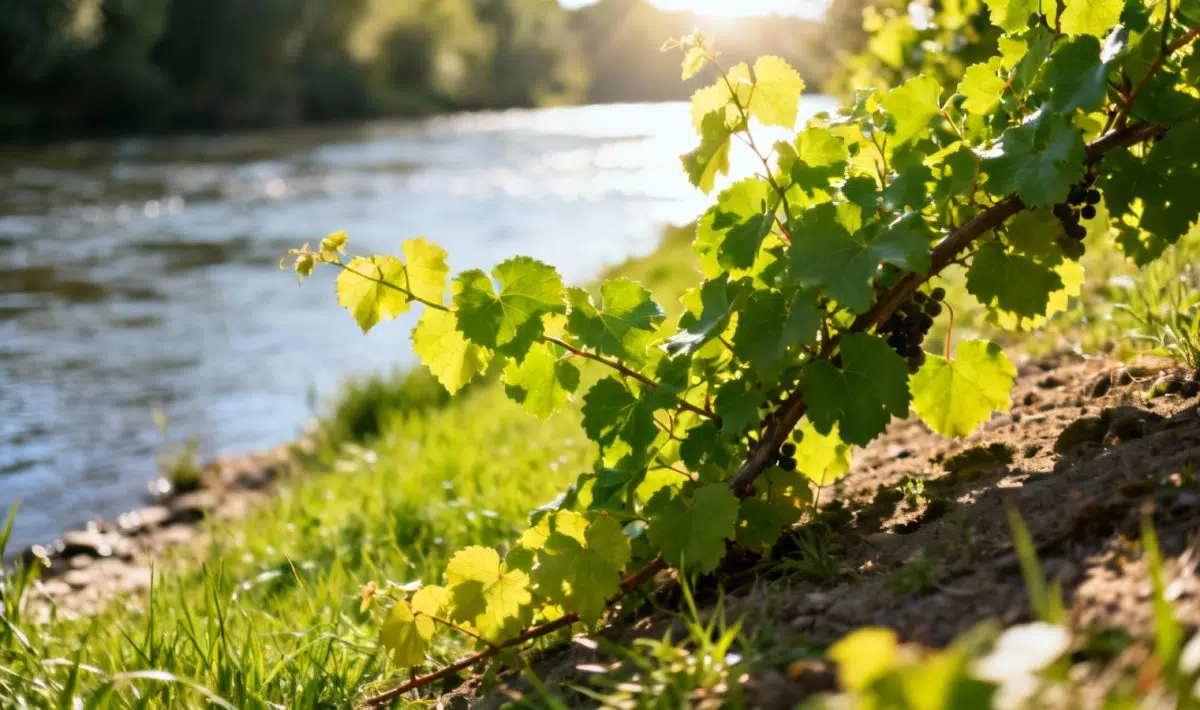
How much sunlight does riverbank grape need? This hardy native vine, scientifically known as Vitis riparia, thrives with more than 6 hours of direct sunlight daily for optimal growth and fruit production. Understanding its light requirements can make all the difference in your cultivation success. The riverbank grape has evolved as a vigorous climber that naturally seeks out sunny spots along riverbanks and woodland edges.
Full sun exposure brings out the best in this remarkable plant. During peak growing season, you’ll notice stronger vegetative growth and more abundant grape clusters when the vine receives consistent, direct sunlight. However, this adaptable species can tolerate partial sun conditions, though with reduced vigor and fruit production compared to full sun locations.
Optimal daily light exposure for riverbank grape
The golden standard for riverbank grape cultivation involves providing at least 6 to 8 hours of direct sunlight each day. This duration allows the vine to photosynthesize efficiently and develop robust root systems that can support its impressive climbing habit. Strong morning sun is particularly beneficial, as it helps dry dew from the leaves and reduces disease pressure.
When grown in full sun conditions, riverbank grape can reach heights of up to 75 feet, showcasing its natural vigorous growth pattern. The intense light exposure also enhances the development of the vine’s characteristic three-lobed leaves and promotes better flower formation during the blooming period. Just as you might consider sunlight requirements for cucumbers when planning your vegetable garden, understanding these specific light needs helps ensure successful riverbank grape cultivation.
Morning versus afternoon sun exposure
While riverbank grape benefits from all-day sun, the timing of light exposure matters significantly. Morning sun helps the plant start photosynthesis early and dries moisture that could lead to fungal issues. Afternoon sun, though intense, provides the energy needed for robust growth and grape development throughout the growing season.
The ideal situation involves consistent sunlight from morning through late afternoon. This pattern mimics the natural habitat where riverbank grape flourishes along open waterways and forest edges. During summer months, the extended daylight hours provide ample energy for the vine’s rapid growth and fruit maturation.
Partial shade tolerance and adaptation
Despite preferring full sun, riverbank grape demonstrates remarkable adaptability to varying light conditions. In partial shade situations with 2 to 6 hours of daily sun, the vine will still grow but with noticeably different characteristics. You’ll observe slower growth rates and potentially fewer grape clusters compared to full sun plantings.
This shade tolerance actually offers certain advantages in landscape management. Similar to how sycamore tree sunlight needs vary based on growing conditions, riverbank grape’s ability to adapt makes it useful in transitional garden areas. The reduced vigor in partial shade can help control its otherwise aggressive spreading habit.
Interestingly, young seedlings show better germination rates in full sun conditions, but established plants can adapt to changing light levels as surrounding vegetation grows. This flexibility makes riverbank grape an excellent choice for naturalistic plantings where light conditions may evolve over time.
Seasonal light variations and plant response
Throughout the growing season, riverbank grape’s response to changing daylight patterns reveals its natural rhythms. Spring emergence begins when soil temperatures warm and daylight hours extend, typically requiring consistent daily sun exposure to break dormancy effectively. The vine’s growth accelerates dramatically during late spring and early summer when both temperature and light reach optimal levels.
During summer months, maximum sun exposure supports the vine’s most vigorous growth period. The long days provide extended photosynthesis time, allowing the plant to store energy for fruit development and prepare for the following year’s growth. Much like considering optimal sunlight for shrubby cinquefoil in your landscape planning, understanding these seasonal patterns helps optimize placement and care.
Fall and winter light considerations
As autumn approaches, decreasing daylight hours signal the vine to begin its dormancy preparation. The plant redirects energy from new growth toward ripening existing fruit and storing nutrients in its extensive root system. Even with reduced light intensity, fall sun remains important for completing the fruit maturation process and developing the vine’s cold hardiness.
Winter dormancy allows riverbank grape to survive in areas with minimal light, but proper sun exposure during the growing season determines the vine’s overall health and productivity for the following year. The accumulated energy from full sun exposure during active growth supports strong spring emergence and vigorous new shoot development.
Comparing light needs with other plants
When planning your garden or landscape, it’s helpful to understand how riverbank grape’s light requirements compare to other plants. Unlike shade-loving understory plants, this vine shares similar needs with other sun-loving species that require consistent, direct light for optimal performance. The 6-plus hours daily requirement puts it in the same category as most fruit-producing vines and flowering shrubs.
However, its partial shade tolerance sets it apart from some sun-demanding plants that struggle without full exposure. For instance, while you might research sunlight for vibrant bottlebrush blooms for your flowering landscape, riverbank grape offers more flexibility in placement while still providing attractive foliage and fruit.
This adaptability makes riverbank grape particularly valuable in mixed plantings where light levels vary. Unlike plants such as ideal sunlight for elephant ear plants, which have very specific requirements, riverbank grape can thrive in the transition zones between full sun and partial shade areas of your property.
Practical tips for optimizing light exposure
Successfully growing riverbank grape starts with careful site selection that maximizes available sunlight. Choose locations away from large trees or structures that might cast shadows during peak daylight hours. South-facing slopes or open areas with minimal overhead obstruction provide ideal growing conditions for this sun-loving vine.
Consider the mature size of surrounding plants when planning your riverbank grape installation. While the vine can compete effectively for light, starting with optimal exposure ensures strong establishment and reduces long-term maintenance needs. Regular pruning of nearby vegetation helps maintain adequate light levels as your landscape matures.
Managing competing vegetation
In natural settings, riverbank grape often climbs existing trees to reach optimal light levels. In cultivated landscapes, providing sturdy support structures allows the vine to achieve similar results without depending on other plants. This approach ensures consistent light exposure regardless of changes in surrounding vegetation.
Monitor light conditions throughout the growing season, as deciduous trees and shrubs can create varying shade patterns. Adjusting support structures or selectively pruning competing plants helps maintain the 6-plus hours of daily sunlight that riverbank grape needs for peak performance.
Insufficient sunlight typically manifests as weak, spindly growth with elongated internodes and pale foliage. If you notice these symptoms, evaluate your site’s light exposure and consider relocating the vine or removing shade-creating obstacles. Poor fruit production or delayed ripening also indicates inadequate sun exposure.
Conversely, while riverbank grape tolerates intense sunlight well, extremely hot, reflected light from pavement or south-facing walls might stress young plants. In such situations, providing temporary afternoon shade during establishment can help, though mature vines typically handle these conditions without difficulty.
Remember that consistent daily sun exposure matters more than brief periods of intense light. A location receiving steady, moderate sunlight throughout the day often produces better results than spots with only morning sun or late afternoon exposure. This consistency supports stable photosynthesis and steady growth throughout the growing season.

Allan is a lifelong gardening enthusiast who still gets excited when the first seedlings pop up in spring. With a deep love for nature and a hands-in-the-soil approach, he shares practical tips, plant discoveries, and clever tricks picked up over years of digging, planting, and observing. Whether you’re a new gardener or have a shed full of tools, Allan writes like a neighbor who’s always happy to swap cuttings and stories over the fence.
You can find more about Allan’s work on Malt or connect with him on LinkedIn.


