
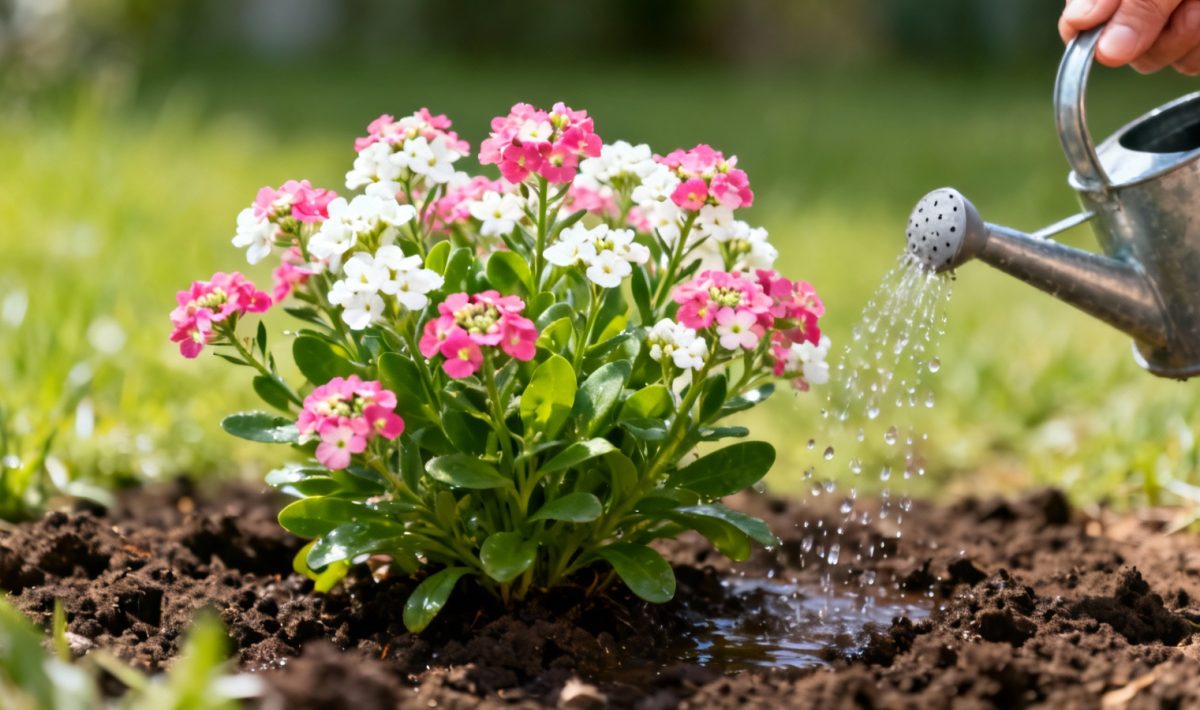
Understanding sweet alyssum watering needs
Sweet alyssum stands out as one of the most forgiving annual flowers when it comes to watering requirements. This charming plant thrives with minimal water once established, making it perfect for busy gardeners. However, understanding how often should you water your sweet alyssum depends on several key factors that affect its growth cycle.
During the initial growing phase from seed, these delicate plants require consistent moisture to develop strong root systems. The soil should remain well-draining yet slightly moist during germination and early growth stages. Most varieties of sweet alyssum are quite adaptable, but proper watering provides the foundation for their signature carpet-like spread and continuous flowering.
Watering frequency for different growth stages
The watering schedule for sweet alyssum changes dramatically as the plant matures. Newly planted seeds need daily attention, while established plants can survive weeks with minimal water. This remarkable adaptability makes sweet alyssum an excellent choice for both novice and experienced gardeners.
Seed germination and early growth
When starting from seed, sweet alyssum requires gentle but consistent watering. The soil should feel damp to the touch but never waterlogged. Typically, light watering every 24 to 48 hours provides optimal conditions for germination. Much like how you would water your sweet mock-orange regularly during establishment, sweet alyssum benefits from this initial attention.
During this critical phase, which lasts approximately 2-3 weeks, the developing root system depends on steady moisture. Articles on gardening often recommend using a fine mist spray to avoid disturbing the delicate seeds. Once the first true leaves appear, you can gradually reduce watering frequency.
Established plant care
Mature sweet alyssum plants are remarkably drought-tolerant and actually prefer slightly dry conditions. Water deeply but infrequently, allowing the soil to dry out between watering sessions. In most climates, watering once or twice weekly proves sufficient for healthy growth and abundant flower production.
The recommended approach involves checking soil moisture by inserting your finger about an inch deep into the soil. If it feels dry, it’s time to water. This method works well for annual flowers and helps prevent the common mistake of overwatering these resilient plants.
Seasonal watering adjustments
Sweet alyssum watering needs fluctuate with seasonal changes and weather patterns. During hot summer months, even established plants may require more frequent watering to maintain their vibrant purple, white, or pink blooms. Conversely, cooler spring and fall weather typically reduces watering requirements.
Pay attention to natural rainfall when planning your watering schedule. Sweet alyssum growing in containers will need more frequent watering than plants in garden beds, as pots dry out faster. Container-grown plants might need daily watering during peak summer heat, while ground-planted specimens can often rely on natural precipitation.
Signs of proper vs improper watering
Learning to recognize the signs of water stress helps ensure your sweet alyssum thrives throughout the growing season. Well-watered plants display compact, bushy growth with continuous flower production and healthy green foliage.
Identifying underwatering
Underwatered sweet alyssum shows several distinct symptoms. The flowers may appear smaller than usual, and the plant might stop blooming altogether. Leaves often become wilted or crispy around the edges, and the overall plant appears stunted. Just as ensure your spearmint gets enough water prevents similar issues, consistent moisture prevents these problems in sweet alyssum.
When you notice these signs, increase watering frequency gradually rather than flooding the plant with water. Several light watering sessions over a few days typically revive stressed plants more effectively than one heavy watering.
Recognizing overwatering damage
Overwatering poses a more serious threat to sweet alyssum than drought conditions. Excessive moisture creates ideal conditions for fungal diseases and root rot. Signs include yellowing leaves, musty soil odor, and reduced flowering despite adequate sunlight and nutrients.
If you suspect overwatering, reduce watering frequency immediately and improve soil drainage if necessary. Sweet alyssum grows best in well-draining soil that doesn’t retain excess moisture around the roots.
Best watering practices and tips
Implementing proper watering techniques ensures your sweet alyssum flourishes throughout its growing season. These practical tips help you develop an effective watering routine that supports healthy plant development and maximum flower production.
Timing and technique
Water sweet alyssum early in the morning when possible, as this allows plants to absorb moisture before the day’s heat arrives. Avoid watering in the evening, which can promote fungal issues by keeping foliage wet overnight. Much like how you maintain proper watering for loquat trees with morning sessions, sweet alyssum benefits from this timing.
Apply water directly to the soil around the base of the plant rather than spraying the foliage. This targeted approach delivers moisture where it’s needed most while keeping the leaves dry. Using a watering can with a narrow spout or a soaker hose provides excellent control over water placement.
Soil and drainage considerations
Sweet alyssum performs best in well-draining soil that allows excess water to flow away from the root zone. Heavy clay soils often retain too much moisture, while sandy soils may drain too quickly. Adding organic matter like compost improves soil structure and helps balance moisture retention.
For container plantings, ensure pots have adequate drainage holes and use a quality potting mix designed for annual flowers. This provides the perfect balance of moisture retention and drainage that sweet alyssum requires for optimal growth.
Special considerations for container growing
Container-grown sweet alyssum requires more frequent watering than garden-planted specimens due to faster soil drying in pots. Daily checking becomes essential during hot weather, as small containers can dry out completely within hours on particularly warm days.
Choose containers that are at least 6 inches deep to provide adequate root space and moisture retention. Larger containers hold moisture longer and require less frequent watering than smaller pots. This principle applies to many plants, and gardeners who check watering needs for your rosemary often use similar container strategies.
Consider using self-watering containers or adding water-retaining crystals to the potting mix for more consistent moisture levels. These tools are particularly helpful during vacation periods or when daily watering becomes challenging.
Troubleshooting common watering problems
Even experienced gardeners occasionally encounter watering challenges with sweet alyssum. Understanding how to identify and correct these issues quickly prevents long-term damage to your plants and ensures continued flowering throughout the season.
If your sweet alyssum appears stressed despite regular watering, examine the soil drainage and surrounding conditions. Poor air circulation, excessive fertilization, or extreme temperatures can affect how plants respond to watering. Adjusting these factors often resolves apparent watering problems.
Remember that sweet alyssum is naturally fast-growing and free-flowering when conditions are right. With proper watering that provides consistent moisture during establishment and moderate water for mature plants, you’ll enjoy months of fragrant blooms that attract beneficial insects and create beautiful garden displays.

Allan is a lifelong gardening enthusiast who still gets excited when the first seedlings pop up in spring. With a deep love for nature and a hands-in-the-soil approach, he shares practical tips, plant discoveries, and clever tricks picked up over years of digging, planting, and observing. Whether you’re a new gardener or have a shed full of tools, Allan writes like a neighbor who’s always happy to swap cuttings and stories over the fence.
You can find more about Allan’s work on Malt or connect with him on LinkedIn.


