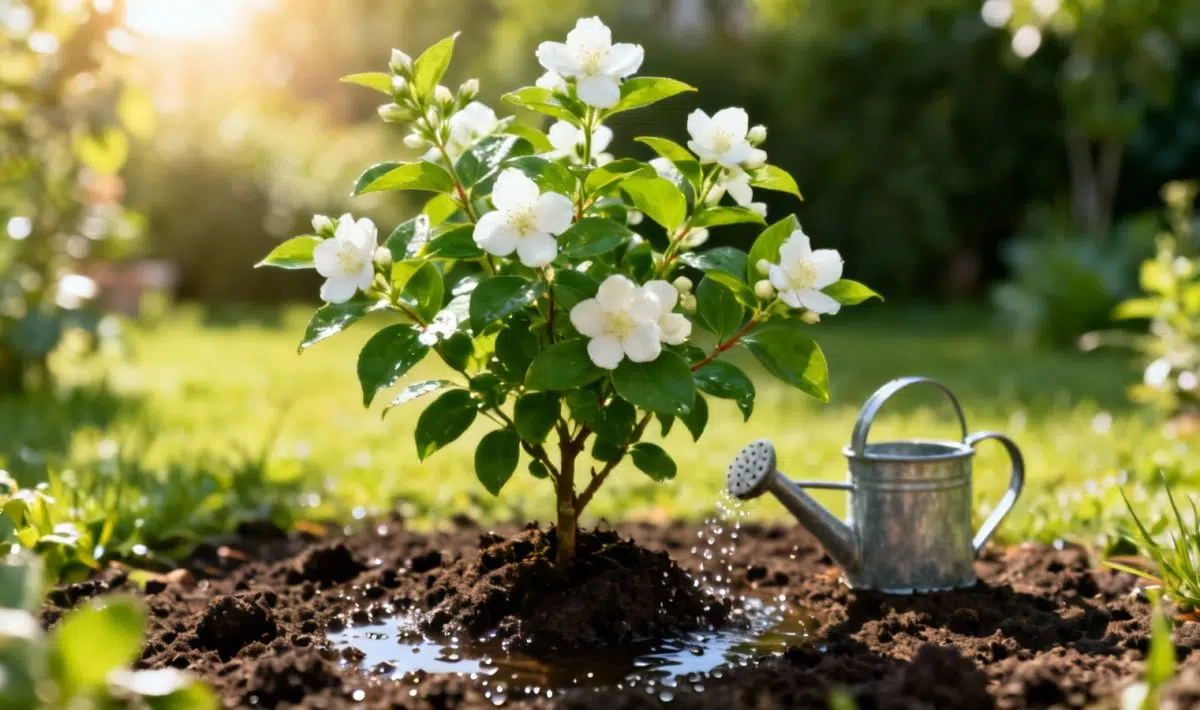
How often should you water your sweet mock-orange for healthy growth
Sweet mock-orange plants are beloved for their fragrant white flowers and hardy nature, but getting the watering right can make all the difference in their health and blooming success. Understanding how often should you water your sweet mock-orange depends on several key factors that we’ll explore together.
The sweet mock-orange, scientifically known as Philadelphus coronarius, is a remarkably adaptable plant that doesn’t demand constant attention. However, proper hydration remains essential for optimal growth and flower production. These shrubs naturally prefer well-draining soil that stays moderately moist but never waterlogged.
During the first year after planting, your mock-orange requires more frequent watering to establish a strong root system. You should water deeply every 2-3 days during hot weather, ensuring the soil stays consistently moist but not soggy. This intensive care period helps the plant develop resilience for future seasons.
Seasonal watering patterns for optimal growth
Spring brings renewed growth and increased water demands as your sweet mock-orange prepares for its spectacular bloom. During this active growing season, check the soil moisture every few days and water when the top inch feels dry to the touch.
Summer watering requires the most attention, especially during heat waves. Water deeply once or twice weekly, providing enough moisture to penetrate 6-8 inches into the soil. Much like watering sweet william for vibrant flowers, consistency matters more than frequency during the hot months.
Fall marks the beginning of reduced watering needs as temperatures cool and growth slows. Gradually decrease watering frequency to once weekly, then every 10 days as winter approaches. This natural transition helps prepare your plant for dormancy.
Climate considerations for watering frequency
Your local climate plays a crucial role in determining watering schedules. In humid regions, mock-orange plants typically need less supplemental watering as they can utilize atmospheric moisture effectively. Conversely, dry climates require more frequent attention to prevent stress.
Temperature fluctuations also impact water needs significantly. During unseasonably warm periods in spring or fall, increase watering frequency temporarily. Cold snaps reduce evaporation rates, meaning less water is needed.
Soil factors affecting watering schedules
Well-draining soil is absolutely essential for sweet mock-orange success. Heavy clay soils retain moisture longer, requiring less frequent watering but careful monitoring to prevent root rot. Sandy soils drain quickly, necessitating more frequent watering sessions.
Adding organic matter like compost improves soil structure and water retention capacity. This amendment helps create the ideal growing conditions your mock-orange craves while reducing the need for constant watering adjustments.
Proper drainage prevents the most common watering mistake: overwatering. Similar to proper watering for loquat growth, ensuring excess water can escape is just as important as providing adequate moisture.
Signs your plant needs water
Learning to read your mock-orange’s signals makes watering decisions much easier. Slightly drooping leaves during the hottest part of the day often indicate water stress, especially if they don’t recover by evening.
Check soil moisture by inserting your finger 2-3 inches deep near the plant’s base. If the soil feels dry at this depth, it’s time to water thoroughly. This simple test prevents both under and overwatering issues.
Effective watering techniques
Deep, infrequent watering promotes strong root development better than frequent shallow watering. Apply water slowly at the base of the plant, allowing it to penetrate deeply into the root zone.
Morning watering is generally preferred as it gives plants time to absorb moisture before the day’s heat increases evaporation rates. Avoid evening watering in humid climates, as prolonged leaf wetness can encourage fungal diseases.
Drip irrigation or soaker hoses provide excellent water distribution for established mock-orange plants. These methods deliver consistent moisture while minimizing water waste and reducing disease risk from wet foliage.
Just as with watering rosemary for optimal health, using the right technique matters as much as timing when caring for your aromatic garden plants.
Mulching for moisture retention
Applying a 2-3 inch layer of organic mulch around your mock-orange significantly reduces watering frequency. Mulch conserves soil moisture, moderates temperature fluctuations, and suppresses weeds that compete for water.
Keep mulch 3-4 inches away from the plant’s stem to prevent moisture-related problems and pest issues. Refresh the mulch annually to maintain its effectiveness throughout the growing season.
Common watering mistakes to avoid
Overwatering remains the most frequent error in mock-orange care. These plants prefer slightly dry conditions over constantly wet soil, which can lead to root rot and fungal problems.
Inconsistent watering creates stress that affects flower production and overall plant health. Develop a regular schedule based on your local conditions rather than watering randomly when you remember.
Surface watering that only wets the top inch of soil encourages shallow root development. Always water deeply enough to reach the entire root system, typically requiring 1-2 inches of water per session.
Understanding proper timing is crucial for many garden plants. For instance, arborvitae watering tips for growth emphasize similar principles of deep, consistent moisture management.
Container growing considerations
Potted mock-orange plants require more frequent watering than those grown in the ground. Check containers daily during warm weather, as they dry out much faster than garden soil.
Ensure containers have drainage holes and use well-draining potting mix specifically formulated for shrubs. Water until it runs from the drainage holes, then wait until the top inch of soil dries before watering again.
Establishing long-term watering success
Creating a sustainable watering routine takes observation and adjustment over time. Keep notes about your local weather patterns, soil conditions, and your plant’s responses to different watering schedules.
Established mock-orange plants become quite drought-tolerant after their second year. However, consistent moisture during bloom time ensures the most spectacular flower display and maintains plant vigor.
Remember that even drought-tolerant plants benefit from supplemental watering during extended dry periods. Monitor your sweet mock-orange’s condition regularly and adjust your schedule as needed.
Your sweet mock-orange will reward proper watering practices with years of fragrant blooms and healthy growth. Start with these guidelines, observe your plant’s responses, and adjust your approach based on your specific growing conditions for the best results.
Allan is a lifelong gardening enthusiast who still gets excited when the first seedlings pop up in spring. With a deep love for nature and a hands-in-the-soil approach, he shares practical tips, plant discoveries, and clever tricks picked up over years of digging, planting, and observing. Whether you’re a new gardener or have a shed full of tools, Allan writes like a neighbor who’s always happy to swap cuttings and stories over the fence.
You can find more about Allan’s work on Malt or connect with him on LinkedIn.