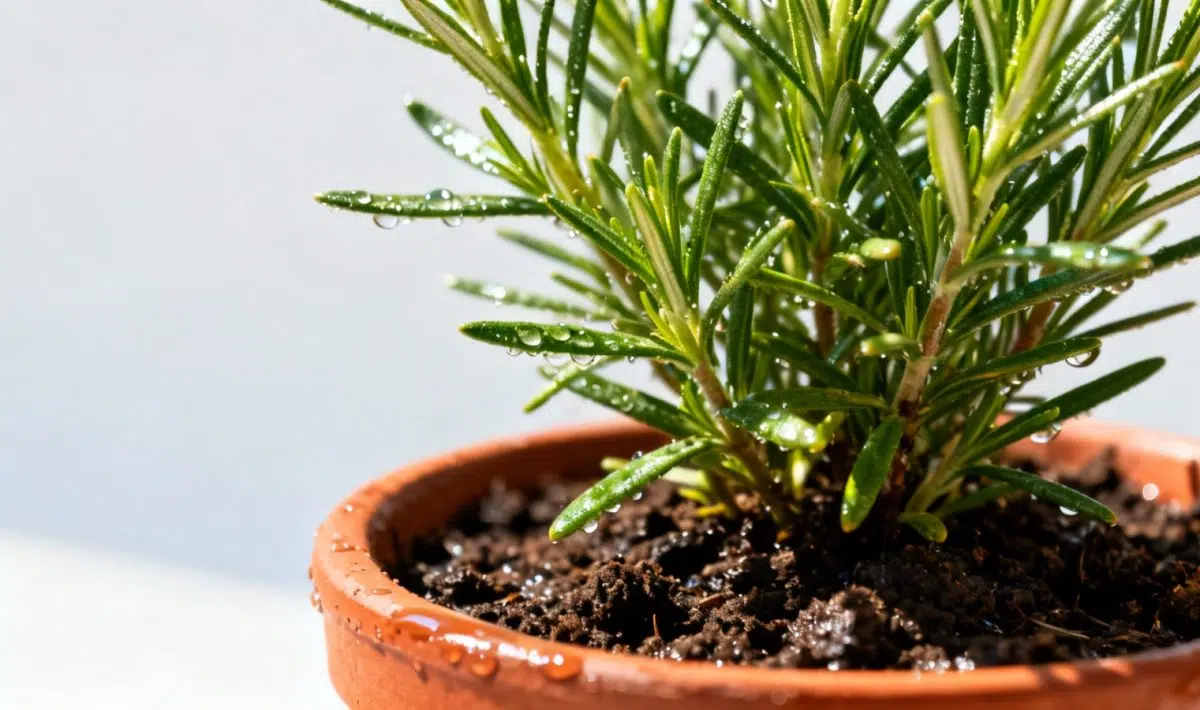
Understanding your rosemary’s water needs
Rosemary is a Mediterranean herb that’s naturally adapted to dry conditions, making it one of the most drought-tolerant plants you can grow. This evergreen perennial actually prefers less water than most other herbs, which makes it perfect for busy gardeners or those living in arid climates. The key to successful rosemary care lies in understanding how often should you water your rosemary based on its unique characteristics and your growing conditions.
The most important thing to remember is that rosemary hates wet feet. This herb thrives in well-draining soil that mimics its native Mediterranean environment. Too much water can quickly lead to root rot, which is often fatal for these hardy plants.
Factors that influence watering frequency
Several factors determine how often your rosemary plant needs water. Climate plays a huge role – if you’re growing rosemary in a hot, sunny location with good air circulation, it will dry out faster than plants in cooler, more humid conditions. The type of soil you use also matters tremendously for proper drainage.
Container-grown rosemary typically needs more frequent watering than plants growing directly in the ground. Pots tend to dry out faster, especially when placed in full sun. However, even potted rosemary should never be kept constantly moist.
Just like with other herbs, understanding proper care extends beyond rosemary. For instance, you might also benefit from learning about watering frequency for fresh coriander if you’re growing multiple herbs in your garden.
Watering schedule for different growth stages
Young rosemary plants that are still establishing their root system need more attention than mature specimens. During the first year after planting, you should water your rosemary more frequently to help it develop strong roots. Check the soil every few days and water when the top inch feels dry.
For newly planted rosemary, aim to water once or twice per week during dry spells, but always check the soil moisture first. The goal is to keep the soil slightly moist but never soggy during this critical establishment period.
Established rosemary care
Once your rosemary plant is well-established (usually after the first growing season), you can reduce watering significantly. Mature rosemary plants are incredibly drought-tolerant and may only need supplemental watering during extended dry periods.
In most climates, established rosemary plants can go weeks without irrigation. During hot summer months, you might water every 2-3 weeks, while in cooler seasons, natural rainfall is often sufficient.
When growing herbs with similar water requirements, such as proper watering for vibrant chives, you can often group them together for easier maintenance.
Seasonal watering adjustments
Spring is when your rosemary begins its most active growth period. This is typically when you’ll need to water most frequently, especially if you live in an area with dry springs. As temperatures warm up and daylight hours increase, the plant uses more water for new growth.
Summer watering depends largely on your climate. In humid areas, natural rainfall may provide adequate moisture. In dry regions, deep watering every 2-3 weeks should suffice. Always water early in the morning to reduce evaporation and prevent fungal issues.
Winter care considerations
Winter is when many gardeners make watering mistakes with their rosemary plants. During cold months, rosemary grows much more slowly and needs significantly less water. Overwatering during winter is one of the most common causes of rosemary plant death.
In areas with freezing temperatures, reduce watering to almost nothing unless you’re growing rosemary indoors. Indoor plants may need occasional light watering, but always err on the side of too little rather than too much.
Proper watering techniques for healthy plants
When you do water your rosemary, it’s important to do it correctly. Deep, infrequent watering is much better than frequent shallow watering. This encourages the roots to grow deeper, making the plant more drought-resistant over time.
Water at the base of the plant rather than from overhead. This helps prevent moisture on the leaves, which can lead to fungal problems. Use a soaker hose or drip irrigation system if you have multiple herbs to water efficiently.
For gardeners managing various plants with different water needs, you might find it helpful to understand watering tips for healthy arborvitae or best watering practices for Mexican petunia to create efficient watering zones in your garden.
Signs your rosemary needs water
Learning to read your plant’s signals is crucial for successful rosemary care. The most reliable indicator is checking the soil moisture by sticking your finger about 2 inches into the soil. If it feels dry at that depth, it’s time to water.
Visual cues include slightly wilted or drooping branches, though rosemary is quite resilient and may not show obvious signs until it’s quite dry. The leaves may also appear slightly duller or less aromatic when the plant needs water.
Common watering mistakes to avoid
The biggest mistake new gardeners make is treating rosemary like other common herbs that prefer consistently moist soil. Rosemary’s Mediterranean origins mean it’s adapted to periods of drought followed by occasional deep watering, not constant moisture.
Another frequent error is not providing adequate drainage. Even if you water correctly, poor drainage will cause water to sit around the roots, leading to rot. Always ensure your soil drains well, whether you’re growing in containers or in the ground.
Many gardeners also make the mistake of increasing watering frequency when they see their rosemary looking stressed, when often the opposite approach is needed. If your plant looks unhappy, check for overwatering signs first: yellowing leaves, soft stems, or a musty smell from the soil.
If your rosemary plant shows signs of stress, the first step is to evaluate your watering practices. Overwatered rosemary often develops yellowing leaves that drop off, starting from the bottom of the plant. The stems may become soft and the whole plant can develop a weak, leggy appearance.
Underwatered rosemary, while less common, will have dry, brittle leaves and stems. The plant may appear wilted even when the soil is slightly moist. In severe cases, the leaves may turn brown and crispy.
Understanding plant water stress extends to other garden favorites too. Learning about watering advice for yellow daylilies or watering guidelines for Cock’s comb can help you create a more comprehensive approach to garden care.
Creating the ideal growing environment
Success with rosemary watering goes hand in hand with providing the right growing conditions. Plant your rosemary in full sun where it will receive at least 6-8 hours of direct sunlight daily. Good air circulation is also important for preventing moisture-related fungal issues.
Soil preparation is crucial for proper drainage. If you have heavy clay soil, consider creating raised beds or adding sand and compost to improve drainage. For container growing, use a well-draining potting mix and ensure your pots have adequate drainage holes.
With the right watering schedule and growing conditions, your rosemary plant will reward you with aromatic leaves, beautiful flowers, and years of reliable harvests. Remember that less is often more when it comes to watering this drought-tolerant herb.

Allan is a lifelong gardening enthusiast who still gets excited when the first seedlings pop up in spring. With a deep love for nature and a hands-in-the-soil approach, he shares practical tips, plant discoveries, and clever tricks picked up over years of digging, planting, and observing. Whether you’re a new gardener or have a shed full of tools, Allan writes like a neighbor who’s always happy to swap cuttings and stories over the fence.
You can find more about Allan’s work on Malt or connect with him on LinkedIn.