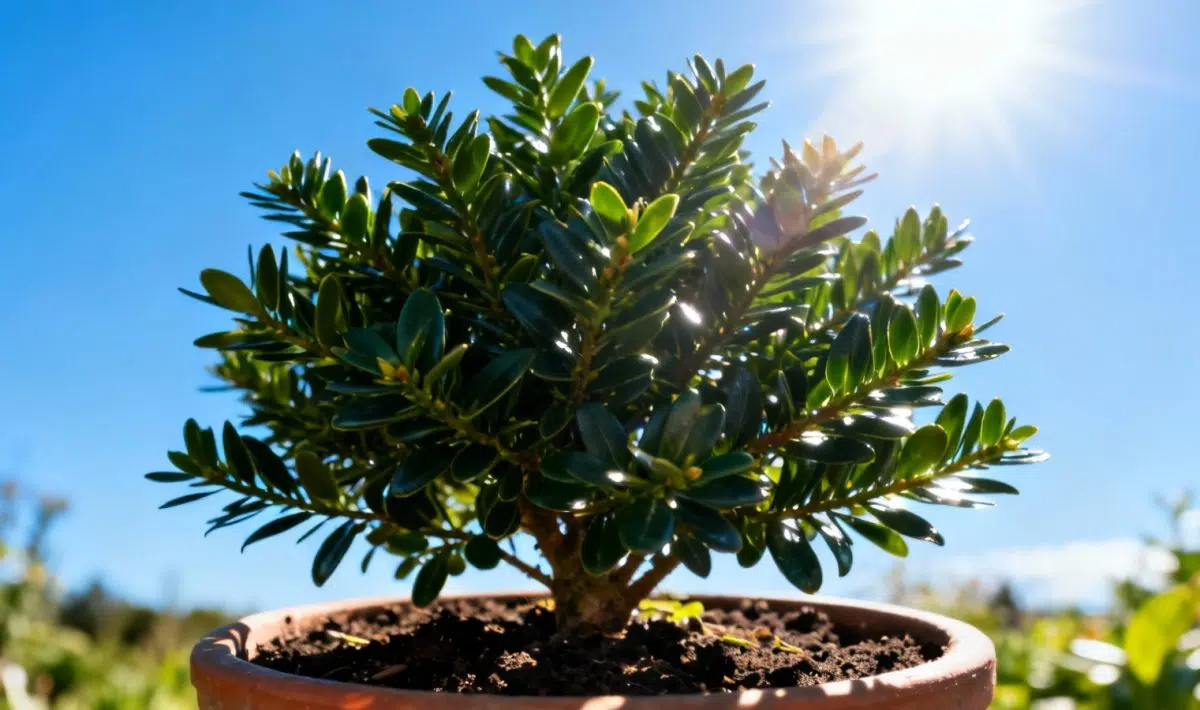
The evergreen spindle, primarily known as Euonymus japonicus and its persistent cultivars, is a versatile plant that thrives in specific lighting conditions. How much sunlight does evergreen spindle need? This shrub performs best with moderate to bright light, typically requiring around 10,000-25,000 lux for optimal growth. Understanding these requirements will help you create the perfect environment for this attractive evergreen.
These hardy plants originated from forest edges and semi-shaded areas, which explains their preference for filtered light conditions. They’ve adapted to grow well with morning sun and afternoon shade, making them excellent choices for various garden locations. The plant will establish strong root systems and develop dense foliage when given appropriate light exposure.
Optimal Sunlight Conditions for Growth
For the healthiest evergreen spindle trees, aim for bright but filtered sunlight throughout most of the day. The ideal setup includes direct morning sun with gentle afternoon shade. This type of exposure allows the plant to photosynthesize effectively without experiencing stress from intense heat.
East-facing or northeast-facing locations work particularly well for this plant type. These positions provide several hours of gentle morning light while protecting the shrub from harsh afternoon sun. Similarly, areas with dappled sunlight under larger trees can create perfect growing conditions.
When considering placement, remember that evergreen spindles grown in consistent moderate light will develop more compact, bushy form compared to those in deep shade. Just as other garden plants have specific needs, understanding light preferences helps ensure successful cultivation. For comparison, you might find it interesting to learn about sunlight needs for Chinese evergreen, which has different indoor growing requirements.
Signs of Proper Light Exposure
Healthy evergreen spindles display several characteristics that indicate they’re receiving adequate sunlight. The foliage should appear dense and well-colored, with new growth emerging regularly throughout the growing season. Leaves will maintain their glossy appearance and show good color variation if the plant includes variegated cultivars.
Well-lit plants also develop stronger branch structure and maintain their natural compact shape without becoming leggy. You’ll notice consistent growth patterns and good resistance to common plant diseases when lighting conditions are optimal.
Avoiding Light-Related Problems
Too much direct sunlight can cause significant stress for evergreen spindle plants. In hot climates or during summer months, excessive sun exposure leads to leaf scorch, where foliage develops brown edges or completely yellowed areas. This damage typically appears first on the most exposed leaves and can spread if conditions don’t improve.
Conversely, insufficient light creates different but equally concerning problems. Plants in deep shade often develop thin, stretched stems as they reach toward available light sources. The characteristic dense form of the evergreen spindle becomes loose and open, reducing its ornamental value.
Most gardeners find that monitoring their plants closely helps identify light issues before they become severe. Adjusting watering schedules and providing temporary shade during heat waves can help trees recover from light stress. Understanding these patterns helps with other garden plants too, such as learning optimal sunlight for growing radishes for your vegetable garden.
Seasonal Light Considerations
Light requirements for evergreen spindles change subtly with the seasons. During winter months, these plants can tolerate more direct sun since the intensity is naturally reduced. However, they still benefit from some protection during the brightest part of the day.
Spring and fall provide ideal conditions for most evergreen spindles, as temperatures are moderate and sun angles create naturally filtered light. Summer requires the most careful attention to prevent heat stress and maintain adequate soil moisture around the root zone.
Creating the Perfect Growing Environment
When planning your garden layout, consider both current and future light conditions. Young evergreen spindle plants may need more protection than mature specimens, which develop better tolerance for various light conditions over time. However, established trees will always perform best with consistent, moderate lighting.
If your available planting areas receive too much direct sun, you can create shade using temporary structures or by planting near larger trees or shrubs. Alternatively, locations that seem too shaded might benefit from selective pruning of overhead branches to increase light penetration.
Soil preparation also plays a crucial role in helping plants handle their light environment. Well-draining soil that retains some moisture helps evergreen spindles cope with brighter conditions, while good drainage prevents root problems in shadier spots where soil stays moist longer.
Indoor gardeners working with houseplants often face similar challenges with light management. Learning about different plant needs, such as sunlight requirements for selloum plants, can provide valuable insights for managing various species.
Practical Planting Tips
Choose your planting location carefully, observing how sunlight moves across the area throughout different times of day and seasons. Morning sun with afternoon shade remains the gold standard for evergreen spindle cultivation. Avoid areas with reflected heat from pavement, buildings, or other surfaces that can intensify light exposure.
When transplanting or installing new plants, gradually acclimate them to their permanent location. Start with more shaded conditions and slowly increase light exposure over several weeks. This approach helps prevent transplant shock and allows the root system to establish before facing full environmental conditions.
Long-term Care and Maintenance
Successful evergreen spindle cultivation extends beyond just providing proper light conditions. Regular pruning helps maintain the desired form while ensuring good air circulation throughout the plant. Remove any damaged or diseased branches promptly to prevent problems from spreading.
Watering schedules should adjust based on light exposure levels. Plants in brighter locations will need more frequent watering, especially during hot weather. Those in shadier spots require less water but still need consistent moisture during dry periods.
Fertilizing evergreen spindles supports healthy growth when combined with appropriate light conditions. A balanced, slow-release fertilizer applied in early spring provides nutrients throughout the growing season. Avoid over-fertilizing plants in low-light conditions, as this can promote weak, spindly growth.
Understanding plant light requirements extends to many different species in your garden. For instance, if you’re curious about more unusual plants, you might explore ideal sunlight for Jimsonweed growth to expand your gardening knowledge.
Conclusion
Evergreen spindle plants thrive with moderate to bright light conditions, ideally receiving morning sun and afternoon shade. By providing 10,000-25,000 lux of illumination and protecting them from extreme heat, you’ll encourage healthy, dense growth and vibrant foliage. Remember that proper light management, combined with good soil preparation and consistent care, creates the foundation for successful evergreen spindle cultivation in any garden setting.
Allan is a lifelong gardening enthusiast who still gets excited when the first seedlings pop up in spring. With a deep love for nature and a hands-in-the-soil approach, he shares practical tips, plant discoveries, and clever tricks picked up over years of digging, planting, and observing. Whether you’re a new gardener or have a shed full of tools, Allan writes like a neighbor who’s always happy to swap cuttings and stories over the fence.
You can find more about Allan’s work on Malt or connect with him on LinkedIn.