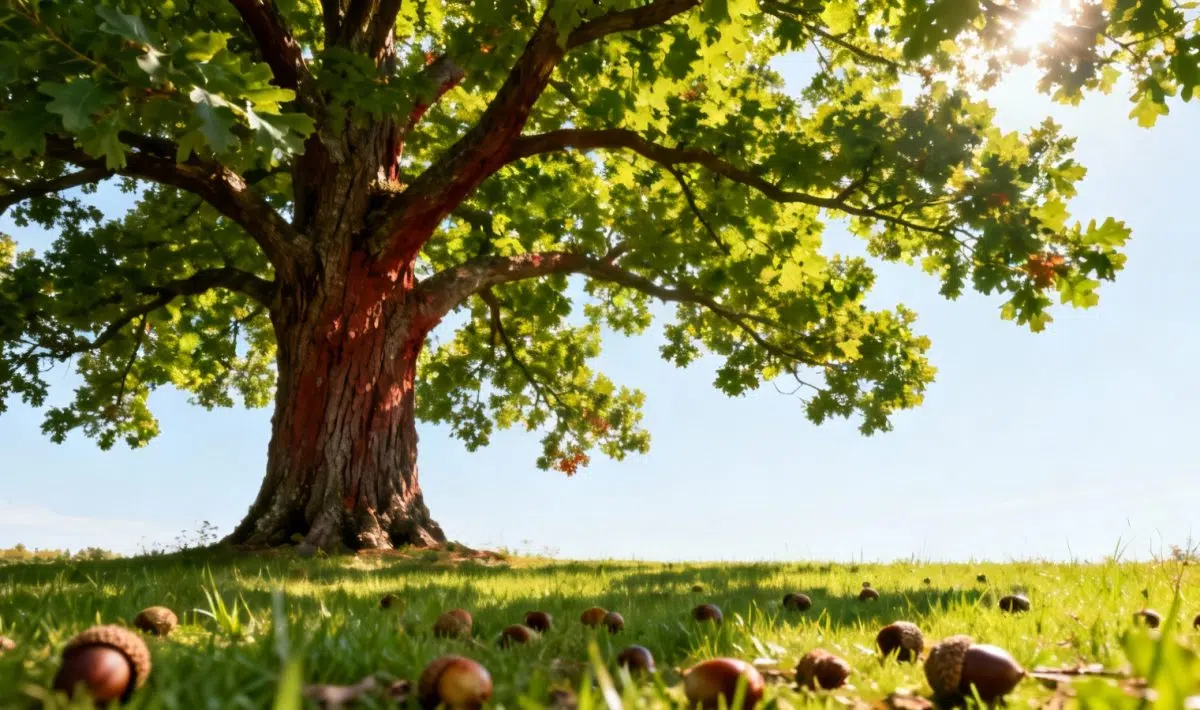
The Northern red oak (Quercus rubra) is a magnificent tree that requires specific sunlight conditions to thrive. How much sunlight does Northern red oak need? This majestic species demands at least 6 hours of direct sunlight daily for optimal growth and development. With proper light exposure, these trees will reach their impressive mature height of 60-75 feet, creating broad canopies that benefit entire ecosystems.
Understanding the light requirements for Northern red oak is essential for anyone planning to cultivate this species. This tree performs best in full sun conditions, where it can photosynthesize efficiently and develop its characteristic robust structure. The sunlight needs directly impact not only the tree’s health but also its ability to produce quality wood products for various applications.
Optimal growing conditions for Northern red oak
Northern red oak trees flourish when planted in locations that receive full sunlight exposure throughout the day. These conditions allow the tree to develop its signature wide-spreading canopy and strong trunk structure. The item selection of planting location becomes crucial, as insufficient light will significantly impact growth rates and overall tree health.
When considering where to plant your Northern red oak, note that while the species can tolerate partial shade with 4-6 hours of daily sunlight, the growth rate will be noticeably reduced. For comparison, plants like spearmint’s sunlight needs for growth differ significantly from these large forest trees that require extensive light exposure.
The standard recommendation from arboriculture experts, including the Morton Arboretum, emphasizes full sun exposure for Northern red oak cultivation. This approach ensures the tree develops its characteristic broad form and maintains vigorous health throughout its lifespan.
Light requirements compared to other species
Northern red oak falls into the intermediate shade tolerance category, similar to black oak and other common forest species. However, this doesn’t mean it performs well in shaded conditions. The tree’s tolerance refers to its ability to survive temporarily in less-than-ideal light, not its preference for optimal growth.
Unlike smaller plants that might thrive with limited sunlight, Northern red oak needs substantial light exposure to compete effectively in forest ecosystems. The tree cannot establish successfully under its own mature canopy, which demonstrates its true light requirements. This characteristic makes it different from more shade-tolerant species that can regenerate in forest understories.
Other plants have varying sunlight needs – for instance, optimal sunlight for oregano growth requires different considerations than large forest trees like the Northern red oak that dominate woodland canopies.
Impact of insufficient sunlight on Northern red oak
When Northern red oak doesn’t receive adequate sunlight, several negative effects become apparent over time. The most noticeable impact is stunted growth, with trees failing to reach their potential height and spread. This reduction in size affects both the aesthetic value and the practical applications of the wood products that can be harvested from mature trees.
Insufficient light also weakens the tree’s overall structure, making it more susceptible to storm damage and disease. The canopy becomes sparse and irregular, reducing the tree’s ability to support wildlife and contribute to ecosystem biodiversity. These effects are cumulative and become more pronounced as the tree ages in suboptimal conditions.
Poor light conditions can also affect the tree’s reproductive capacity, reducing acorn production and limiting natural regeneration. This impacts forest management practices and the long-term sustainability of oak populations in managed landscapes.
Selecting the best planting locations
Choosing the right location for Northern red oak planting requires careful consideration of current and future sunlight availability. Open areas with southern or western exposure typically provide the most consistent sunlight throughout the day. These locations allow the tree to establish quickly and maintain vigorous growth rates.
When planning plantings, consider the mature size of surrounding vegetation and structures that might create shade over time. What appears to be a sunny location today might become partially shaded as nearby trees grow or new construction occurs. Much like how ideal sunlight for watermelon plants requires consideration of garden layout, forest trees need long-term planning for light access.
Avoid planting Northern red oak too close to buildings, other large trees, or in valleys where morning fog might reduce available sunlight. The goal is to provide consistent, direct sunlight exposure that will support the tree throughout its potentially century-long lifespan.
Managing light competition in forest settings
In forest management contexts, ensuring adequate sunlight for Northern red oak often requires active intervention. This might involve selective timber harvesting to create openings where oak can establish and thrive. Forest managers use various techniques to balance light availability between different species and age classes.
Competition for light is particularly intense in mixed hardwood forests where multiple species vie for canopy space. Northern red oak typically requires periodic disturbances or management activities to maintain its dominance in forest communities. Without these interventions, more shade-tolerant species gradually replace oak in forest succession.
Understanding these dynamics helps landowners make informed decisions about forest management practices that support Northern red oak populations while maintaining overall forest health and diversity.
Wood quality and sunlight relationships
The quality of wood products derived from Northern red oak is directly related to the growing conditions, particularly sunlight exposure. Trees grown in full sun typically develop denser, stronger wood with more consistent grain patterns. This makes the timber more valuable for high-end applications like furniture and flooring.
Comparing Northern red oak with other species like walnut or black oak reveals how sunlight affects wood characteristics differently. Northern red oak grown in optimal light conditions produces lumber with excellent strength properties and attractive grain patterns that are highly sought after in commercial markets.
The relationship between sunlight and wood quality extends beyond just strength – it affects color consistency, workability, and finishing characteristics. These factors make proper site selection crucial not just for tree health but also for maximizing the economic value of forest products.
Seasonal sunlight considerations
Northern red oak’s sunlight needs vary somewhat with seasonal changes, though the requirement for full sun remains constant. During spring leaf emergence, adequate light is crucial for proper bud break and early season growth. Summer months demand consistent light exposure to support the intense photosynthetic activity needed for rapid growth.
Fall sunlight helps trees complete their annual growth cycle and prepare for dormancy. Even during winter, when the tree is leafless, site conditions that ensure good spring and summer light exposure remain important for long-term success. This is quite different from annual crops like pineapple’s sunlight requirements that have different seasonal patterns.
Understanding these seasonal patterns helps in timing management activities and predicting how changes in surrounding vegetation might affect oak performance over time.
Companion planting and light management
When integrating Northern red oak into landscape designs or agroforestry systems, careful attention to companion species selection ensures optimal light distribution. The oak’s eventual large size means it will dominate the canopy, so understory plants must be selected for their shade tolerance.
This approach differs significantly from smaller-scale gardening where plants like sunlight requirements for corn poppy can be easily accommodated alongside other species with similar light needs. Forest trees require long-term planning to prevent light competition issues.
Successful companion planting around Northern red oak involves understanding the tree’s growth pattern and planning for its eventual mature size and shade pattern. This ensures both the oak and its companion species can coexist successfully over time.
Monitoring and maintaining light conditions
Regular monitoring of light conditions around established Northern red oak trees helps ensure continued health and vigor. This involves assessing potential threats from encroaching vegetation or new development that might reduce sunlight availability.
Pruning surrounding vegetation, removing competing trees, or adjusting landscape features can help maintain optimal light conditions. These activities are particularly important during the tree’s establishment phase when competition for light is most critical for survival and early growth.
Just as gardeners might monitor sunlight needs of Northern catalpa in their landscapes, forest managers must track light availability for oak trees to ensure continued productivity and health of forest stands.
Long-term benefits of proper sunlight management
Providing adequate sunlight for Northern red oak creates lasting benefits that extend far beyond individual tree health. Well-lit oak stands support diverse wildlife populations, produce valuable timber resources, and contribute to carbon sequestration efforts. These benefits compound over the tree’s long lifespan when proper light management is maintained from establishment through maturity.
The investment in ensuring adequate sunlight pays dividends in terms of ecosystem services, economic returns from forest products, and landscape aesthetic value. Northern red oak trees grown with sufficient light become landmark specimens that enhance property values and provide environmental benefits for generations to come.
Allan is a lifelong gardening enthusiast who still gets excited when the first seedlings pop up in spring. With a deep love for nature and a hands-in-the-soil approach, he shares practical tips, plant discoveries, and clever tricks picked up over years of digging, planting, and observing. Whether you’re a new gardener or have a shed full of tools, Allan writes like a neighbor who’s always happy to swap cuttings and stories over the fence.
You can find more about Allan’s work on Malt or connect with him on LinkedIn.