
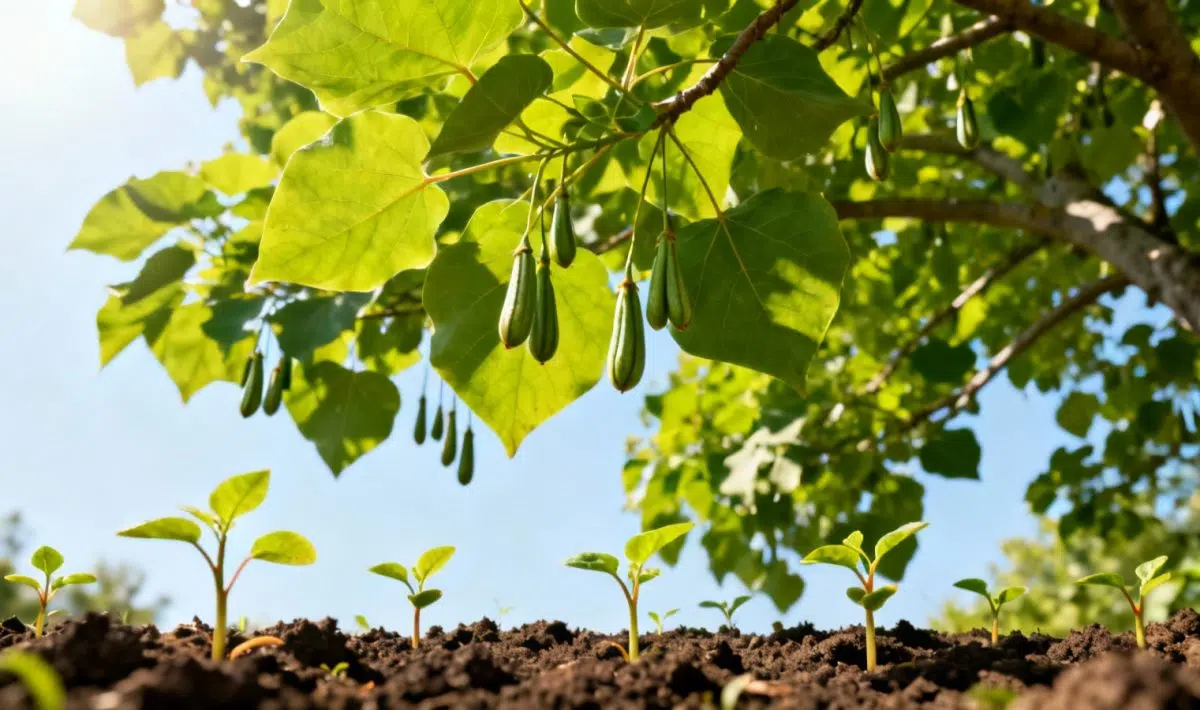
The Northern catalpa is a magnificent tree that captures attention with its heart-shaped leaves and stunning white flowers. If you’re considering adding this beauty to your garden, understanding its sunlight requirements is crucial for success. This spectacular tree has specific needs that, when met, will reward you with years of impressive growth and breathtaking blooms.
How much sunlight does Northern catalpa need for optimal growth?
Northern catalpa trees thrive best in full sun conditions, requiring at least 6 to 8 hours of direct sunlight daily. This generous amount of sunshine ensures vigorous growth, lush foliage, and abundant flowering. While these adaptable trees can tolerate partial shade, reduced sunlight significantly impacts their performance and overall health.
When catalpa trees receive insufficient light, you’ll notice stretched branches, fewer flowers, and weaker overall structure. The difference between a sun-loving catalpa and one struggling in shade is remarkable. Just like how sunlight requirements for growing oregano vary among plants, each species has evolved specific light preferences that directly influence their success.
Understanding catalpa’s specific light requirements
The Northern catalpa’s photosynthesis process depends heavily on adequate sunlight exposure. Trees receiving full sun typically reach their mature height of 40-60 feet within 30-50 years, while those in partial shade may take significantly longer. The quality of light also matters – morning sun combined with afternoon sun provides the ideal conditions for maximum growth potential.
These trees demonstrate impressive tolerance for various conditions, but their performance varies dramatically based on light availability. Full sun exposure promotes dense foliage, robust trunk development, and the characteristic large, fragrant white flower clusters that make catalpas so desirable for landscaping projects.
Impact of shade on catalpa development
Partial shade conditions, defined as 3-6 hours of direct sunlight, allow catalpas to survive but compromise their natural beauty. Trees grown in these conditions often develop thin, elongated branches as they stretch toward available light sources. This phenomenon, called etiolation, results in a less attractive tree structure and reduced flowering capacity.
The flowering performance particularly suffers in shaded conditions. While a sun-grown catalpa produces abundant white blooms that attract pollinators and create stunning garden displays, shade-grown specimens may produce only sparse flowers or skip blooming seasons entirely. This directly impacts the tree’s ornamental value and ecological contributions to your garden ecosystem.
Choosing the perfect garden location
Selecting the ideal planting spot requires careful consideration of your garden’s sun patterns throughout the day. The best locations receive morning sun, which helps dry dew from leaves and prevents fungal issues, followed by afternoon sun that powers photosynthesis and promotes healthy growth. Avoid areas with buildings, large trees, or structures that cast shadows during peak sunlight hours.
Southern or southeastern exposures typically provide optimal conditions for catalpa trees. These locations ensure maximum sun exposure while offering some protection from harsh afternoon winds. Consider future shade patterns as well – nearby trees or planned construction projects could alter light conditions over time. Similar to how optimal sunlight for pineapple plants requires specific positioning, catalpa placement determines long-term success.
Soil and sunlight interactions
The relationship between soil conditions and sunlight exposure significantly influences catalpa performance. Well-draining soils combined with full sun create ideal growing conditions. However, heavy clay soils may require additional drainage improvements, especially in sunny locations where water evaporation rates are higher.
Sandy soils in full sun locations may dry out too quickly, requiring more frequent watering during establishment. The key is finding the balance between adequate drainage and moisture retention. Catalpas adapt to various soil types, but the combination of proper soil preparation and optimal sunlight exposure ensures the best results for your investment in seeds or young plants.
Where to buy quality catalpa seeds
Finding reliable sources for catalpa seeds requires careful research and evaluation of seller credentials. Online marketplaces like eBay offer numerous options, but buyer verification of seller ratings and reviews is essential. Look for sellers with consistently positive feedback and detailed product descriptions that include germination rates and seed freshness information.
Reputable nurseries and specialized seed companies often provide the most reliable catalpa seeds. These businesses typically offer guarantees and clear communication about their products. When evaluating potential purchases, examine seller reviews carefully and verify that the seeds are properly packaged and stored. Quality seeds properly packaged from reputable sources will give you the best chance of successful germination and healthy tree development.
Communication with sellers is crucial when making your seed purchase. Ask specific questions about seed collection dates, storage methods, and expected germination rates. Professional sellers will gladly provide this information and offer growing advice. Much like understanding sunlight needs of watermelon crops helps ensure successful harvests, knowing your seed source builds confidence in your gardening investment.
Evaluating seller credentials and reviews
Before making any seed purchase, thoroughly examine seller evaluations and customer feedback. Pay attention to reviews that mention seed quality, germination success, and overall buyer satisfaction. Sellers with extensive positive reviews and detailed responses to customer questions typically provide better products and service.
Consider the seller’s specialization in plants and seeds versus general merchandise. Specialized horticultural businesses often have better storage facilities and more knowledge about their products. Check if they offer any guarantees or return policies for their seeds. Professional seed sellers understand that buyer success reflects on their reputation and business longevity.
Garden design and companion planting
Catalpas make excellent specimen trees but also work well in mixed plantings when properly positioned. Their large mature size requires adequate spacing from other trees and structures. Plan for the tree’s eventual 40-60 foot spread when designing your garden layout. Other plants that appreciate similar sunlight conditions can be planted nearby, creating cohesive landscape designs.
Consider how the catalpa’s seasonal changes will affect surrounding plants. The large heart-shaped leaves provide dense summer shade but drop completely in winter, allowing sunlight to reach understory plants. This characteristic makes catalpas excellent companions for spring bulbs and shade-tolerant perennials that benefit from winter sun exposure.
When planning companion plantings, remember that different species have varying light requirements. While your catalpa thrives in full sun, you might incorporate plants like best sunlight for growing spearmint in nearby areas that receive partial shade from the mature tree’s canopy.
Planting and establishment tips
Successful catalpa establishment begins with proper seed handling and planting techniques. Fresh seeds typically have better germination rates than older ones, so verify the collection date when making your purchase. Scarification or stratification may be required depending on seed age and storage conditions – consult with your seed supplier for specific recommendations.
Plant catalpa seeds in well-prepared soil during spring after the last frost date. The planting site should receive full sun exposure from the beginning, as young trees establish their growth patterns early. Water consistently during the first growing season, but avoid overwatering which can lead to root problems in sunny locations.
Young catalpas benefit from protection against strong winds while establishing their root systems. However, avoid creating too much shade during this critical period. The goal is providing wind protection while maintaining full sun exposure. Proper establishment practices, combined with optimal sunlight conditions, set the foundation for decades of tree enjoyment.
Consider the broader garden ecosystem when establishing your catalpa. Trees that receive adequate sunlight contribute more effectively to local wildlife habitat, supporting birds, beneficial insects, and other garden creatures. Just as elder’s sunlight for vitamin D health demonstrates the connection between light and wellness, proper catalpa positioning supports overall garden health and biodiversity.
Long-term care and maintenance
Mature catalpas require minimal maintenance when properly positioned in full sun locations. Annual pruning should focus on removing dead or crossing branches while maintaining the tree’s natural shape. Avoid heavy pruning that reduces the leaf surface area needed for photosynthesis, especially in trees that may be receiving less than optimal sunlight.
Monitor your catalpa’s performance over time, watching for signs of inadequate light exposure. These might include sparse flowering, weak branch development, or overall decline in vigor. If surrounding vegetation or new construction reduces sunlight availability, consider selective pruning of nearby plants or trees to restore optimal growing conditions.
The investment in quality catalpa seeds and proper planting techniques pays dividends for decades. Trees receiving adequate sunlight become impressive garden focal points, providing seasonal interest through their large leaves, showy flowers, and interesting seed pods. Understanding the relationship between various plants’ light needs, such as milkweed’s sunlight requirements for growth, helps create well-balanced garden ecosystems where each plant thrives in its preferred conditions.

Allan is a lifelong gardening enthusiast who still gets excited when the first seedlings pop up in spring. With a deep love for nature and a hands-in-the-soil approach, he shares practical tips, plant discoveries, and clever tricks picked up over years of digging, planting, and observing. Whether you’re a new gardener or have a shed full of tools, Allan writes like a neighbor who’s always happy to swap cuttings and stories over the fence.
You can find more about Allan’s work on Malt or connect with him on LinkedIn.


