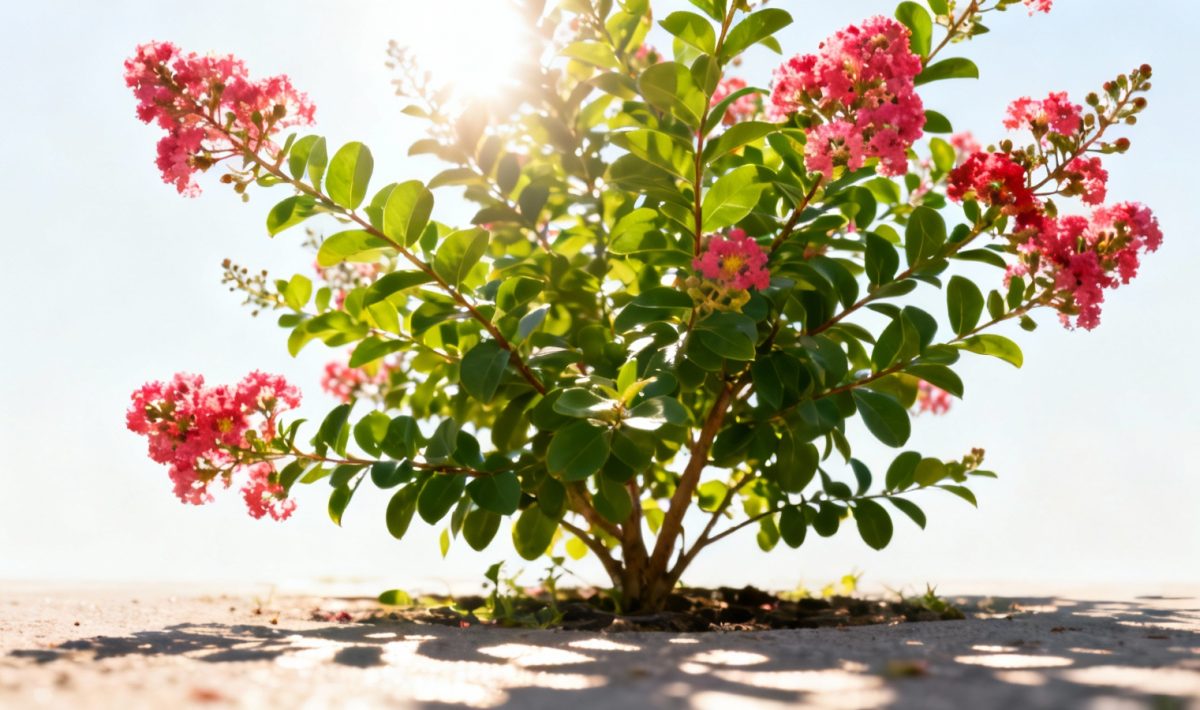
How much sunlight does crepe myrtle need for optimal growth and blooming
Today, I’m excited to share everything you need to know about creating the perfect growing conditions for your crepe myrtle tree. These stunning flowering trees are absolute showstoppers when given the right amount of sunlight, and understanding their light requirements is the key to enjoying those spectacular summer blooms year after year.
The simple answer is that crepe myrtle needs full sun exposure, which means at least 6 to 8 hours of direct sunlight daily. However, there’s much more to consider when it comes to positioning these beautiful trees for optimal growth and the most impressive floral display you can imagine.
Crepe myrtle trees are sun-loving specimens that absolutely thrive with maximum light exposure. These trees require a minimum of 6 hours of direct sunlight each day, but they perform best with 8 to 10 hours of full sun exposure. In fact, the more sunlight they receive, the more abundant their flowering will be.
When planted in ideal conditions with full sun, crepe myrtle produces stunning clusters of crinkled flowers that can span 15 to 30 cm in diameter. The colors range from vibrant red and pink to pristine white, creating a spectacular display that lasts for weeks during the growing season.
Partial shade conditions, defined as 4 to 6 hours of sunlight, will allow the tree to survive but significantly reduce flowering by 50 to 70 percent. The branches also tend to stretch and become weak, a phenomenon known as etiolation, which compromises the tree’s natural form and beauty.
The impact of insufficient light on crepe myrtle
Just like understanding the sunlight requirements for growing pineapple, knowing what happens when crepe myrtle doesn’t get enough sun is crucial for gardeners. Trees grown in too much shade will struggle with reduced photosynthesis, which directly affects their ability to produce energy for growth and flowering.
Insufficient sunlight creates several problems for crepe myrtle trees. The most noticeable issue is dramatically reduced flowering, with some trees producing virtually no blooms at all. Additionally, the tree becomes more susceptible to fungal diseases, particularly powdery mildew, which thrives in humid, shaded conditions.
The branches of shade-grown crepe myrtles become spindly and weak, unable to support the weight of flowers and foliage properly. This creates an unattractive appearance and can lead to structural problems as the tree matures.
Best practices for planting your crepe myrtle
When selecting the perfect location for your crepe myrtle, choose the sunniest spot available in your garden. Morning sun is particularly beneficial, as it helps dry dew from the leaves quickly, reducing the risk of fungal infections. However, afternoon sun is equally important for maintaining the tree’s energy production throughout the day.
Avoid planting near large structures or under the canopy of mature trees that will cast shadows on your crepe myrtle. Consider the mature size of surrounding plants and trees when planning your garden layout, as what seems like full sun today might become partial shade in a few years.
The soil should drain well, as crepe myrtles don’t tolerate waterlogged conditions. However, they’re remarkably drought-tolerant once established, making them excellent choices for sunny, well-drained locations where other plants might struggle.
Seasonal considerations for optimal growth
During spring and early summer, your crepe myrtle will be putting all its energy into new growth and flower bud formation. This is when adequate sunlight becomes absolutely critical for the upcoming blooming season. Much like how we consider optimal sunlight for watermelon plants, timing and consistency matter enormously for crepe myrtle success.
Summer is prime blooming time for most varieties, and trees receiving full sun will reward you with the most spectacular display. The intense summer heat combined with bright sunlight actually encourages continued flowering throughout the season, with many varieties producing multiple flushes of blooms.
Fall brings its own rewards for well-positioned crepe myrtles, as the combination of cooler temperatures and continued bright sunlight often triggers beautiful autumn foliage colors in addition to any late-season flowers.
Comparing varieties and their light needs
Different crepe myrtle varieties have been bred for various characteristics, but all share the same fundamental need for abundant sunlight. Dwarf varieties like ‘Pocomoke’ and ‘Chickasaw’ need just as much sun as their larger cousins to flower properly, despite their compact size.
Some gardeners wonder if certain colored varieties have different light requirements. In reality, whether you choose red, pink, purple, or white flowering types, the sunlight needs remain consistent across all varieties. The color intensity may actually become more vibrant with increased sun exposure.
Tree forms versus shrub forms also share identical light requirements. The growth habit doesn’t change the plant’s fundamental need for maximum sunlight to produce those coveted summer blooms that make crepe myrtles so desirable.
Understanding regional growing differences
In northern growing zones, crepe myrtles benefit from the most protected, sunniest locations possible. These marginal growing areas require every advantage, including maximum sun exposure and protection from cold winds. Similar to how gardeners must consider specific needs for plants like those covered in sunlight needs of spearmint, regional adaptation matters significantly.
Southern gardeners have more flexibility with placement but should still prioritize full sun locations for the best performance. The longer growing season in warmer climates means more opportunities for extended flowering periods when light conditions are optimal.
Care and maintenance for sun-loving crepe myrtles
Once your crepe myrtle is established in its sunny location, proper care will ensure continued spectacular performance. Regular watering during dry periods helps the tree maintain the energy needed to produce flowers throughout the growing season.
Pruning should be done during late winter or very early spring, before new growth begins. This timing allows the tree to put maximum energy into flower production rather than healing from pruning wounds during the active growing season.
Fertilizing with a balanced, slow-release fertilizer in early spring provides the nutrients needed for vigorous growth and abundant flowering. However, avoid over-fertilizing with nitrogen-rich fertilizers, as this can promote excessive foliage growth at the expense of flowers.
Monitoring for common issues
Even in ideal sunny conditions, crepe myrtles can occasionally face challenges. Aphids sometimes appear on new growth, but these are easily managed with insecticidal soap or by encouraging beneficial insects in your garden. Just as different plants have varying needs, such as understanding ideal sunlight for giant taro, monitoring and responding to plant-specific issues ensures success.
Powdery mildew can still occur even in sunny locations if air circulation is poor. Ensure adequate spacing between plants and avoid overhead watering to minimize humidity around the foliage.
Maximizing your crepe myrtle investment
Purchasing quality crepe myrtle trees or starting from seeds requires careful consideration of your planting location. Many online stores offer excellent selections with detailed variety descriptions, making it easier to choose the perfect tree for your sunny garden spot.
Fast shipping and proper handling ensure your new tree arrives in excellent condition, ready to establish quickly in its sunny new home. Free delivery options often make it economical to purchase multiple trees for creating stunning landscape displays.
Consider the mature size when planning your purchase, as some varieties can reach impressive heights and spreads. However, all varieties share the same fundamental requirement for abundant sunlight to achieve their full potential.
Long-term success strategies
The best crepe myrtle gardens are those planned with the future in mind. Consider how nearby plants will grow and change over time, ensuring your crepe myrtle will continue receiving adequate sunlight as the landscape matures. This forward-thinking approach is similar to planning for other garden specimens, such as considering sunlight needs for healthy hackberry in mixed plantings.
Regular assessment of your tree’s performance will help you identify any changes in light conditions before they become problematic. If nearby trees or structures begin casting more shade, consider selective pruning or removal to maintain optimal growing conditions.
Creating the perfect growing environment
Success with crepe myrtle comes down to understanding and providing their fundamental requirements. While these trees are relatively low-maintenance once established, the initial placement decision is crucial for long-term success and satisfaction.
Remember that the time and effort invested in selecting the perfect sunny location will be rewarded with years of spectacular blooms and attractive bark that provides winter interest. The combination of summer flowers, fall color, and interesting bark makes crepe myrtle a true four-season performer when grown in optimal conditions.
Whether you’re planning a single specimen tree or creating a dramatic group planting, the principles remain the same. Maximum sunlight exposure equals maximum flowering potential and the healthiest, most attractive trees possible. Much like how proper light consideration benefits various garden plants, including understanding ribwort plantain sunlight requirements, attention to these fundamental needs ensures gardening success.
With proper site selection and basic care, your crepe myrtle will become a cherished focal point in your landscape, providing decades of summer beauty and serving as a testament to the importance of understanding and meeting each plant’s specific growing requirements.
Allan is a lifelong gardening enthusiast who still gets excited when the first seedlings pop up in spring. With a deep love for nature and a hands-in-the-soil approach, he shares practical tips, plant discoveries, and clever tricks picked up over years of digging, planting, and observing. Whether you’re a new gardener or have a shed full of tools, Allan writes like a neighbor who’s always happy to swap cuttings and stories over the fence.
You can find more about Allan’s work on Malt or connect with him on LinkedIn.