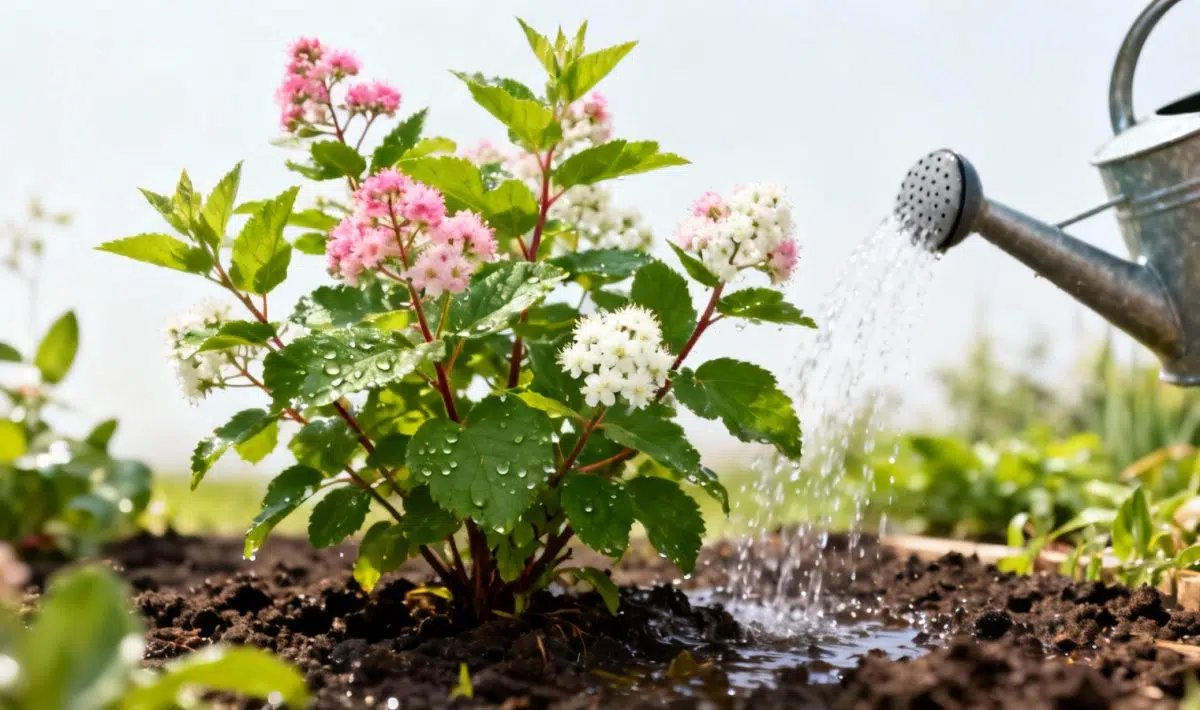
Understanding your common ninebark’s water requirements
Getting the watering schedule right for your common ninebark can feel tricky at first, but once you understand this hardy plant’s needs, you’ll develop a natural rhythm. This beautiful shrub has specific water requirements that change with the seasons, weather conditions, and the plant’s age. The key lies in finding that sweet spot where your ninebark gets enough moisture without becoming waterlogged.
Your common ninebark typically needs deep watering once or twice a week during the growing season, but this frequency varies based on several factors. Young plants require more frequent attention than established ones, and outdoor conditions play a huge role in determining when it’s time to add water to your plant’s routine.
Factors that influence watering frequency
Several elements control how often you should water your ninebark, and understanding them helps you make better decisions. Soil type ranks as one of the most important factors – clay soils retain moisture longer than sandy soils, which means you can space out watering sessions differently depending on what you’re working with.
Temperature and humidity also have a massive impact on your plant’s water needs. During high heat periods, your ninebark will drink more water, while cooler weather means less frequent watering is required. Wind exposure can dry out plants faster than you might expect, so outdoor plants in windy locations often need more attention.
The age of your plant matters too. Newly planted ninebarks need consistent moisture for the first year as they establish their root systems. Once established, these tough plants become more drought-tolerant and can handle longer periods between waterings.
Seasonal watering adjustments for optimal growth
Spring marks the start of active growing season, when your ninebark begins producing new growth and flowers. During this time, aim for deep watering twice a week, ensuring the water penetrates several inches into the soil. You’ll want to start monitoring soil moisture more closely as temperatures rise.
Summer brings the highest water demands, especially during heat waves. Your plant may need watering every other day during extremely hot spells, but always check soil moisture before adding more water. The best approach involves watering deeply but less frequently, which encourages strong root development.
Fall watering should gradually decrease as your ninebark prepares for dormancy. Reduce frequency to once a week, then even less as temperatures drop. Winter typically requires minimal watering, as the plant’s metabolism slows significantly during its rest period.
Recognizing when your common ninebark needs water
Learning to read your plant’s signals takes some practice, but once you know what to look for, you’ll become an expert at timing your watering perfectly. The most reliable method involves checking soil moisture about 2-3 inches below the surface – if it feels dry at this depth, it’s time to water.
Visual cues from your ninebark can also guide your watering decisions. Slightly drooping leaves during the hottest part of the day is normal, but if they remain wilted in the evening or morning, your plant needs water. Yellowing leaves can indicate both over-watering and under-watering, so combine this sign with soil moisture tests.
For those who want to use technology, various apps can help you track watering schedules and even remind you when it’s time to check on your plants. However, nothing replaces the knowledge that comes from regularly observing your specific plant and its environment.
Signs of overwatering to watch for
Overwatering causes more problems than underwatering for most plants, and ninebarks are no exception. Yellowing leaves that feel soft or mushy often indicate too much moisture. Root rot can develop quickly in waterlogged conditions, leading to a decline in plant health that’s difficult to reverse.
Fungal issues become more common when plants sit in consistently wet soil. You might notice unusual spots on leaves or a musty smell around the base of your plant. These problems are much easier to prevent than to treat, making proper watering crucial for long-term plant health.
If you suspect overwatering, reduce frequency immediately and improve drainage around your plant. Sometimes adding organic matter to heavy soils helps create better growing conditions for your ninebark.
Effective watering techniques that work
Deep, slow watering produces the best results for ninebarks. Rather than light, frequent sprinkling, focus on saturating the root zone thoroughly. This approach encourages roots to grow deeper, making your plant more resilient during dry periods.
Watering at the base of the plant rather than from overhead helps prevent disease issues and ensures water reaches the root zone efficiently. Early morning watering allows plants to absorb moisture before the day heats up, reducing evaporation losses.
Mulching around your ninebark helps retain soil moisture and reduces watering frequency. A 2-3 inch layer of organic mulch keeps roots cool and moist while suppressing weeds that compete for water. Just like other plants require specific care – for instance, you might find it helpful to explore watering tips for common hackberry bonsai for comparison – your ninebark benefits from consistent, thoughtful attention.
Tools and methods for monitoring soil moisture
Simple tools can make watering decisions much easier and more accurate. A basic soil moisture meter takes the guesswork out of determining when to water, giving you precise readings at different depths. These inexpensive devices work well for both beginners and experienced gardeners.
The finger test remains one of the most reliable methods for checking soil moisture. Insert your finger 2-3 inches into the soil near your plant – if it feels dry at this depth, your ninebark likely needs water. This hands-on approach also helps you understand how quickly your soil dries out under different conditions.
Some gardeners prefer using apps to track their watering schedules and set reminders. While technology can be helpful, remember that each plant’s needs are unique, and apps should supplement rather than replace regular observation of your specific growing conditions.
Weather monitoring also plays a role in smart watering practices. Knowing when rain is expected can help you adjust your schedule accordingly. Many gardeners find that combining multiple monitoring methods gives them the most accurate picture of their plant’s needs, similar to how different plants have varying requirements – such as understanding watering guidelines for common mugwort or learning about care tips for common plantain plants.
Creating an efficient watering schedule
Developing a consistent routine helps ensure your ninebark receives adequate moisture without waste. Start by establishing a baseline schedule based on your local climate and soil conditions, then adjust as needed based on plant response and weather changes.
Consider using drip irrigation or soaker hoses for consistent, efficient watering. These systems deliver water directly to the root zone with minimal evaporation, making them ideal for busy gardeners who want to maintain optimal moisture levels.
Keep notes about your watering frequency and plant response during the first year. This information becomes invaluable for fine-tuning your approach and understanding how your specific growing conditions affect water needs. Each garden is different, and what works for others may need adjustment for your particular situation.
Remember that establishing good watering habits takes time and observation. Just as you might research specific needs for other plants like watering your common persimmon tree, your ninebark will benefit from consistent attention and care tailored to its unique requirements.
Troubleshooting common watering problems
When your ninebark shows signs of stress, the first step involves evaluating your current watering practices. Are you watering too frequently with small amounts, or not often enough with deep soakings? Most problems stem from inconsistent watering rather than specific frequency issues.
Poor drainage often masquerades as a watering problem. If water sits on the surface after watering or if your plant shows signs of overwatering despite normal frequencies, soil drainage may need improvement. Adding compost or creating raised planting areas can resolve these issues.
Environmental changes also affect watering needs. Moving from one location to another, seasonal weather shifts, or changes in surrounding vegetation can all impact how quickly your ninebark uses water. Stay flexible and adjust your routine as conditions change throughout the growing season.
Allan is a lifelong gardening enthusiast who still gets excited when the first seedlings pop up in spring. With a deep love for nature and a hands-in-the-soil approach, he shares practical tips, plant discoveries, and clever tricks picked up over years of digging, planting, and observing. Whether you’re a new gardener or have a shed full of tools, Allan writes like a neighbor who’s always happy to swap cuttings and stories over the fence.
You can find more about Allan’s work on Malt or connect with him on LinkedIn.