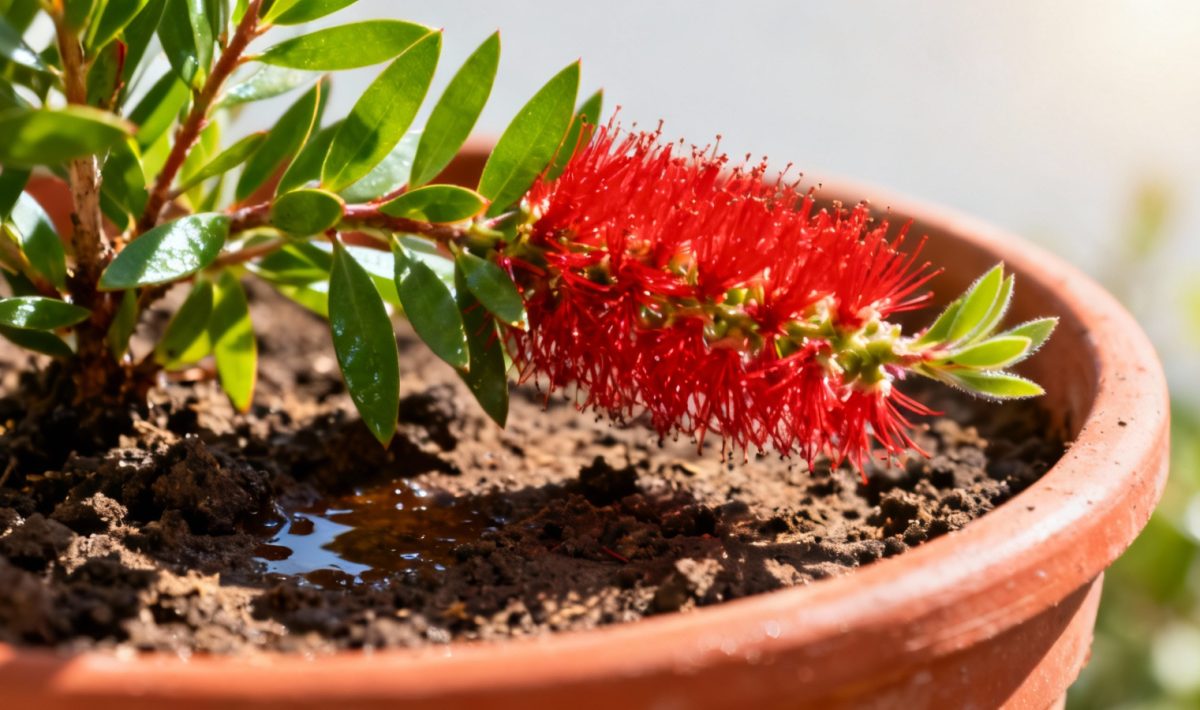
How often should you water your crimson bottlebrush for healthy growth
The crimson bottlebrush, with its stunning red cylindrical flowers, is a fantastic addition to any garden. However, knowing how often should you water your crimson bottlebrush can make the difference between a thriving shrub and one that struggles. This Australian native is surprisingly adaptable, but getting the watering balance right is essential for healthy growth and those spectacular blooms you’re after.
Understanding your crimson bottlebrush water needs
Your crimson bottlebrush doesn’t need constant babying when it comes to water. These plants are naturally drought-tolerant once established, which means they actually prefer periods where the soil dries out slightly between waterings. The key is finding that sweet spot where your plant gets enough moisture without becoming waterlogged.
Generally speaking, you’ll want to water your established crimson bottlebrush once or twice a week during the growing season. However, this frequency can change dramatically based on your local climate, soil type, and the age of your plant. Young plants will need more frequent attention than mature shrubs that have developed extensive root systems.
Just like you might follow specific guidelines when you water your bottlebrush for healthy growth, understanding these fundamentals will set you up for success with your crimson variety.
How often should you water your crimson bottlebrush by season
Spring and summer watering schedule
During the active growing season from spring through early fall, your crimson bottlebrush will be putting energy into new growth and flowering. This is when they need the most consistent moisture. Plan to check your plants twice weekly and water when the top few inches of soil feel dry to the touch.
In particularly hot or windy conditions, you might find yourself watering every 3-4 days. The goal is to keep the soil evenly moist but never soggy. A good deep watering that penetrates 6-8 inches into the soil is much better than frequent shallow sprinklings that only wet the surface.
Fall and winter care
As temperatures drop and your plant enters its dormant period, you can significantly reduce watering frequency. During winter months, once every 2-3 weeks is often sufficient, depending on rainfall and humidity levels. Many gardeners make the mistake of continuing summer watering schedules year-round, which can lead to root rot in cooler weather.
Pay attention to natural precipitation during this time. If you’re getting regular rain or snow melt, you may not need to supplement with additional watering at all. The plants are essentially taking a break, so their water requirements drop accordingly.
Signs your plant needs water
Learning to read your plant’s signals is crucial for proper care. Crimson bottlebrush plants will show you when they’re thirsty, but you need to know what to look for. The most reliable indicator is checking the soil moisture with your finger or a moisture meter.
Visual cues include slightly wilted leaves, especially during the hottest part of the day, or leaves that feel less firm than usual. However, don’t panic if you see some afternoon drooping on very hot days – this is normal. The real concern is when leaves remain wilted in the morning or evening when temperatures are cooler.
Color changes can also signal watering issues, though they’re not always straightforward. Yellowing leaves might indicate overwatering, while brown, crispy edges often suggest underwatering. The key is observing patterns rather than reacting to individual leaf changes.
Soil testing techniques
The finger test is your best friend here. Stick your finger 2-3 inches into the soil near the base of the plant. If it feels dry at this depth, it’s time to water. If it’s still moist, wait another day or two before checking again.
For those who prefer precision, a moisture meter can take the guesswork out of the equation. These inexpensive tools give you a numerical reading of soil moisture levels, which can be especially helpful when you’re still learning your plant’s preferences.
Watering techniques that work
How you water is just as important as when you water. Deep, infrequent watering encourages your crimson bottlebrush to develop deep roots, making it more drought-resistant over time. Apply water slowly at the base of the plant, allowing it to soak into the soil rather than running off the surface.
Drip irrigation or soaker hoses work exceptionally well for these plants because they deliver water directly to the root zone without wetting the foliage. This method reduces evaporation and helps prevent fungal diseases that can develop when leaves stay wet for extended periods.
Morning watering is generally preferred because it gives plants time to absorb moisture before the heat of the day and allows any wet foliage to dry quickly. Similar principles apply when you properly watering your smoketree, where timing and technique matter significantly.
Mulching for moisture retention
A good mulch layer around your crimson bottlebrush can dramatically reduce your watering needs. Organic materials like shredded bark, wood chips, or compost help retain soil moisture while slowly breaking down to improve soil structure.
Apply mulch in a 2-3 inch layer, keeping it a few inches away from the base of the plant to prevent pest issues. This simple step can reduce watering frequency by 25-30% during hot summer months.
Common watering mistakes to avoid
Overwatering is probably the biggest threat to crimson bottlebrush health. These plants are adapted to periods of drought and can actually suffer when kept constantly moist. Root rot, fungal diseases, and poor flowering are all consequences of too much water.
On the flip side, severely underwatering young plants can stunt their growth and prevent proper establishment. New plantings need consistent moisture for their first growing season, even though mature plants are drought-tolerant.
Many gardeners also make the mistake of watering based on a rigid schedule rather than actual plant needs. Weather conditions, soil type, and seasonal changes all affect how quickly soil dries out, so flexibility in your approach is essential.
Special considerations for different growing conditions
Container growing
If you’re growing your crimson bottlebrush in containers, you’ll need to water much more frequently than ground-planted specimens. Containers dry out faster, especially during hot weather or windy conditions. Daily checking during summer isn’t excessive for potted plants.
Make sure your containers have adequate drainage holes and use a well-draining potting mix. The same principles that guide you when you water your wintercreeper adequately apply here – good drainage prevents water from sitting around roots.
Different soil types
Sandy soils drain quickly and may require more frequent watering, while clay soils hold moisture longer but can become waterlogged easily. If you have heavy clay soil, consider amending it with organic matter to improve drainage before planting.
Well-draining soil is absolutely crucial for crimson bottlebrush success. These plants simply cannot tolerate waterlogged conditions for extended periods. If water pools on the surface after watering, you likely need to improve drainage or reduce watering frequency.
Troubleshooting water-related problems
Brown or yellowing leaves can indicate both over and underwatering, so look at other factors to determine the cause. Overwatered plants often have soft, mushy roots and may develop fungal growth around the base. Underwatered plants typically show crispy, dry foliage and hard, compacted soil.
If you notice poor flowering despite healthy-looking foliage, inconsistent watering might be the culprit. Crimson bottlebrush needs steady moisture during bud formation for optimal bloom production. The same attention to consistency helps when you’re keeping your pomegranate well-watered for fruit production.
Root rot is a serious concern that often results from chronically wet conditions. If you suspect root problems, carefully examine the root system. Healthy roots should be firm and white or light-colored, while rotted roots appear black, mushy, and may smell unpleasant.
Recovery strategies
For overwatered plants, immediately reduce watering frequency and improve drainage if possible. Remove any mulch temporarily to help soil dry faster, and consider relocating container plants to a spot with better air circulation.
Underwatered plants need gradual rehydration. Give them a deep, slow watering and then monitor soil moisture carefully. Avoid the temptation to overcompensate with excessive watering, as stressed plants are more susceptible to root problems.
Long-term care and establishment
During the first year after planting, your crimson bottlebrush will need more attention than established plants. Keep soil consistently moist but not soggy, gradually reducing watering frequency as the plant develops a stronger root system.
By the second growing season, you can typically shift to a more drought-tolerant watering schedule. Well-established plants may only need supplemental watering during extended dry periods or extreme heat waves.
The principles of gradual establishment apply to many plants, including when you need to water your scarlet-star correctly or manage watering schedules for other garden varieties.
Monitoring plant health
Regular observation is your best tool for maintaining proper watering practices. Walk through your garden regularly, noting changes in plant appearance, soil conditions, and environmental factors that might affect water needs.
Keep a simple garden journal noting when you water, weather conditions, and how plants respond. Over time, you’ll develop an intuitive sense for your specific growing conditions and can adjust accordingly.
Remember that even established plants may need extra attention during unusual weather patterns or seasonal transitions. The same observational skills that help you determine when to optimal watering for common chicory will serve you well with your crimson bottlebrush care.
Successfully growing crimson bottlebrush comes down to understanding their natural preferences and adapting your care routine accordingly. With proper watering practices, you’ll be rewarded with healthy plants that produce those spectacular red blooms that make this shrub such a garden standout. Remember that consistency and observation are key – your plants will tell you what they need if you know how to listen.
Allan is a lifelong gardening enthusiast who still gets excited when the first seedlings pop up in spring. With a deep love for nature and a hands-in-the-soil approach, he shares practical tips, plant discoveries, and clever tricks picked up over years of digging, planting, and observing. Whether you’re a new gardener or have a shed full of tools, Allan writes like a neighbor who’s always happy to swap cuttings and stories over the fence.
You can find more about Allan’s work on Malt or connect with him on LinkedIn.