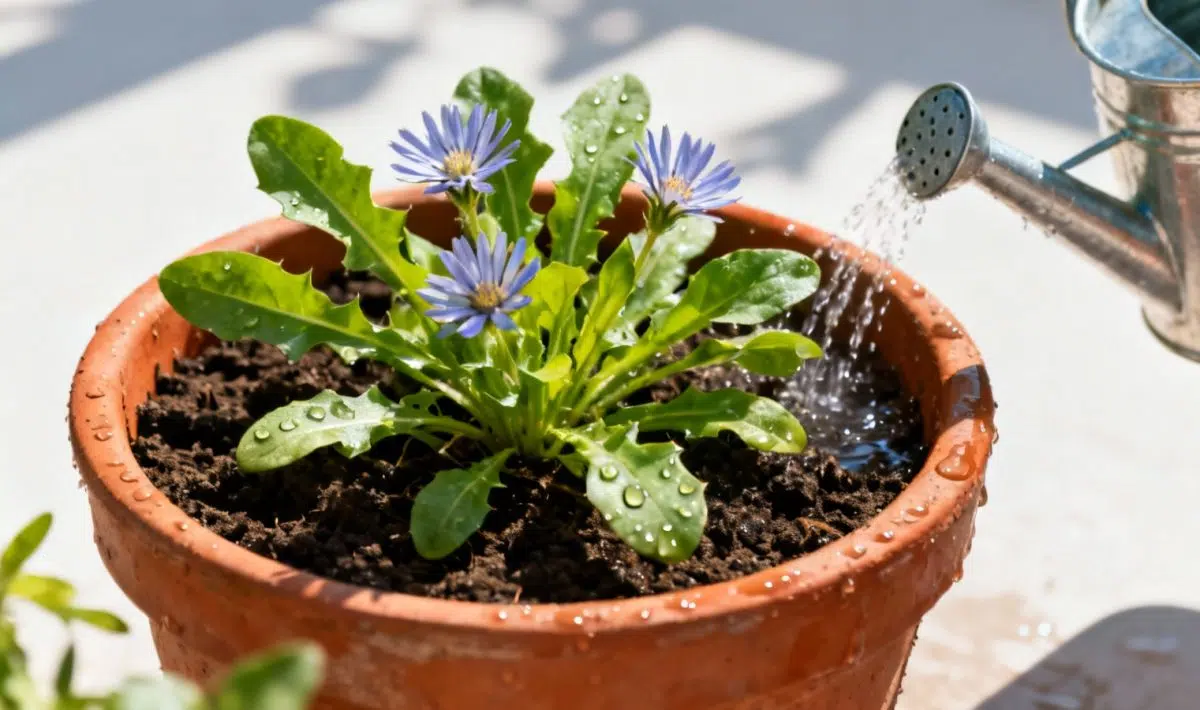
Common chicory is one of those resilient herbs that naturally adapts to various growing conditions. You might wonder how often you should water your common chicory, and the answer depends on several factors including season, soil type, and plant maturity. This remarkable plant, known for its bitter taste and use as a coffee substitute, requires consistent moisture without waterlogging.
The chicory plant has deep taproots that can reach impressive depths, allowing it to access water from lower soil layers. However, proper surface watering remains essential for optimal growth. Your chicory will thrive with regular attention to its moisture needs, particularly during establishment periods.
Seasonal watering patterns for chicory
During spring and summer months, your chicory plants are actively growing and producing their characteristic leaves. Water your plants 2 to 3 times per week during these warmer seasons, ensuring the soil remains consistently moist but not soggy. The plant’s natural growing cycle demands more frequent irrigation when temperatures rise.
Winter watering can be reduced significantly to once weekly, provided there’s no natural rainfall. Chicory enters a slower growth phase during colder months, requiring less frequent moisture. Always check soil conditions before adding water, as overwatering during dormant periods can lead to root problems.
How often should you water your common chicory: the practical approach
The key to successful chicory cultivation lies in understanding when your plant actually needs water. Test the soil moisture by inserting your finger about two inches deep into the earth around your chicory. If the soil feels dry at this depth, it’s time for watering. This simple test prevents both drought stress and overwatering issues.
Your watering schedule should adapt to weather conditions and soil drainage. Sandy soils drain quickly and may require more frequent watering, while clay soils retain moisture longer. For gardeners growing multiple herbs, understanding these differences is crucial – much like knowing the proper care for st. john’s wort or other Mediterranean plants.
Signs your chicory needs water
Watch for these telltale signs that indicate your chicory requires immediate watering:
Leaves appear slightly wilted during the hottest part of the day
Soil surface feels completely dry to touch
The plant’s growth seems stunted compared to previous weeks
Leaf edges begin showing brown, crispy areas
Conversely, yellowing lower leaves or a musty smell from the soil base indicates overwatering. Finding the right balance takes time, but chicory is forgiving with slight moisture variations.
Best watering techniques for chicory plants
Water your chicory at the base of the plant rather than from above. This technique prevents fungal diseases that can develop on wet foliage. Use a watering can or soaker hose to deliver water directly to the root zone, ensuring efficient moisture absorption.
Morning watering works best, allowing plants to absorb moisture before the heat of the day. This timing also ensures excess water evaporates from leaf surfaces, reducing disease risk. Many gardeners find that consistent watering schedules, similar to those used for optimal watering for common yew, help establish healthy root systems.
Soil considerations and chicory water management
Your soil type significantly influences how often you should water your chicory. Well-draining soil with good organic content provides the ideal foundation for healthy chicory growth. The plant naturally prefers slightly alkaline conditions but adapts well to various soil types.
Add compost or aged manure to improve soil structure and water retention. This organic matter helps maintain consistent moisture levels while preventing waterlogged conditions that can damage chicory roots. Your investment in soil improvement pays dividends in reduced watering frequency and healthier plants.
Container vs. garden bed watering
Chicory grown in containers requires more frequent watering than garden-planted specimens. Containers dry out faster, especially during hot weather, requiring daily attention during peak growing season. Check container soil moisture twice daily if temperatures exceed 80°F.
Garden beds typically retain moisture longer and benefit from natural rainfall. However, newly transplanted chicory seedlings need consistent moisture for the first two weeks after planting. Just as watering advice for common milkweed emphasizes establishment care, chicory transplants require special attention during this critical period.
Optimizing chicory flavor through proper watering
Interestingly, slight water stress can actually enhance chicory’s characteristic bitter taste, making it more suitable for coffee substitutes and herbal drinks. Many growers deliberately reduce watering frequency as harvest approaches to concentrate flavors in the leaves and roots.
The root system develops more extensively when plants search for water, creating better flavor development. However, extreme drought stress reduces overall plant health and yield. Strike a balance by allowing soil to dry slightly between waterings while maintaining plant vigor.
Harvesting considerations and water management
Plan your watering schedule around harvest intentions. If you’re growing chicory primarily for its roots to make coffee substitutes, reduce watering frequency during the last month before harvest. This practice encourages root development and concentrates the compounds that give chicory its distinctive drink characteristics.
For leaf harvests, maintain consistent moisture throughout the growing season. Regular watering produces tender, less bitter leaves suitable for salads and cooking. The versatility of chicory makes it valuable for various culinary uses, much like other hardy plants that benefit from watering tips for smoketree growth.
Troubleshooting common chicory watering problems
Overwatering remains the most common mistake when caring for chicory. Symptoms include yellowing leaves, soft stems, and fungal growth around the plant base. If you notice these signs, immediately reduce watering frequency and improve soil drainage around affected plants.
Underwatering typically manifests as wilting, stunted growth, and premature flowering. While chicory tolerates drought better than many vegetables, consistent moisture stress reduces overall plant quality and yield. Adjust your watering schedule based on plant response and local weather patterns.
Remember that chicory’s deep root system makes it naturally drought-tolerant once established. Young plants require more attention, but mature specimens can withstand brief dry periods without permanent damage. This resilience makes chicory an excellent choice for low-maintenance gardens and sustainable growing practices.
Allan is a lifelong gardening enthusiast who still gets excited when the first seedlings pop up in spring. With a deep love for nature and a hands-in-the-soil approach, he shares practical tips, plant discoveries, and clever tricks picked up over years of digging, planting, and observing. Whether you’re a new gardener or have a shed full of tools, Allan writes like a neighbor who’s always happy to swap cuttings and stories over the fence.
You can find more about Allan’s work on Malt or connect with him on LinkedIn.