
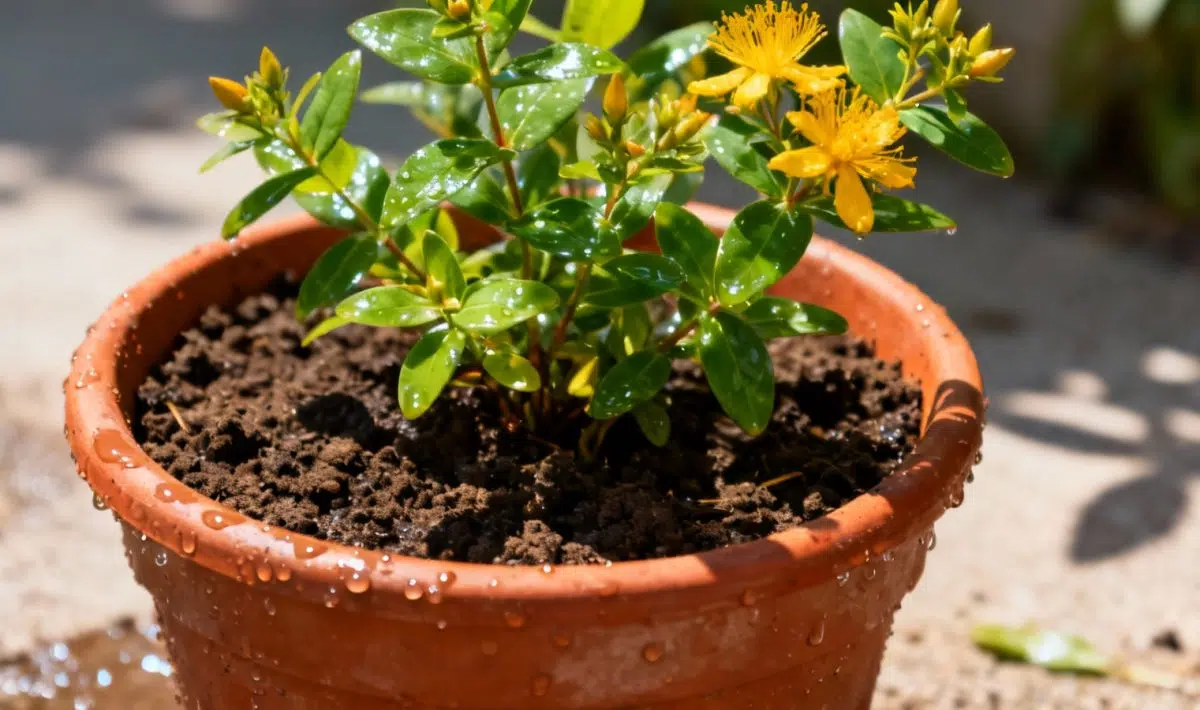
Understanding Common St. John’s Wort Water Needs
Common St. John’s wort (Hypericum perforatum) is a remarkable plant that has captured gardeners’ attention for its beautiful yellow flowers and therapeutic properties. This hardy perennial is surprisingly drought-tolerant once established, making it an excellent choice for low-maintenance gardens. Understanding how often should you water your Common St. John’s wort depends largely on the plant’s age, growing conditions, and seasonal requirements.
The key to successful St. John’s wort cultivation lies in finding the right balance between providing adequate moisture and avoiding waterlogged conditions. This extract from nature thrives in well-draining soil and can actually suffer from too much water rather than too little. For gardeners seeking consistent blooms and healthy foliage, mastering the watering schedule is essential.
Seasonal Watering Guidelines for St. John’s Wort
Spring and Summer Care
During the growing season from spring through summer, your St. John’s wort will require more frequent watering, especially if you’re cultivating it for its medicinal extract properties. Water deeply once or twice per week, allowing the soil to dry slightly between waterings. This schedule helps the plant develop strong roots that can access water naturally from deeper soil layers.
In hot summer months, particularly during July and August, monitor your plant closely for signs of stress. The tissue of St. John’s wort can become dry and brittle if water is insufficient during peak growing periods. However, this plant has evolved to withstand dry conditions remarkably well, thanks to its natural resilience.
Fall and Winter Adjustments
As temperatures drop and the plant enters dormancy, reduce watering frequency significantly. During fall and winter months, water only when the soil feels completely dry to the touch. Overwatering during this period can lead to root rot and other fungal issues that can damage the plant’s ability to produce the beneficial compounds that make this natural remedy so valuable.
Much like other hardy perennials, such as those requiring watering advice for your zinnia, St. John’s wort benefits from reduced moisture during dormant periods. This natural cycle helps the plant concentrate its energy for the following growing season.
Recognizing Your Plant’s Water Requirements
Signs of Proper Hydration
A well-watered St. John’s wort displays vibrant green foliage with firm, upright stems. The leaves should feel supple to the touch, and new growth should appear regularly during the growing season. When the plant receives adequate water, it can effectively produce the compounds that contribute to its well-known effects on mood balance and overall well-being.
Healthy plants also exhibit consistent flowering patterns, producing the characteristic bright yellow blooms that contain beneficial compounds like hypericin. These flowers are not only beautiful but also indicate that the plant is receiving optimal care, including proper watering.
Warning Signs of Water Stress
Underwatered St. John’s wort typically shows wilting leaves that may turn yellow or brown at the edges. The stems can become brittle and weak, making the plant vulnerable to damage. However, this hardy plant can recover quickly from mild drought stress once proper watering resumes.
Conversely, overwatering presents different challenges. Waterlogged soil can cause root rot, leading to black or mushy roots and yellowing leaves from the bottom up. Unlike drought stress, overwatering damage is often more difficult to reverse and can permanently affect the plant’s ability to thrive.
Optimal Watering Techniques and Best Practices
Manual Watering Methods
When watering your St. John’s wort manually, focus on delivering water directly to the root zone rather than wetting the foliage. Use a watering can or hose with a gentle spray attachment to avoid disturbing the soil around the plant’s base. Water early in the morning or late in the evening to minimize evaporation and allow the plant to absorb moisture effectively.
For container-grown plants, which require more frequent attention similar to guidelines for morning glory watering, ensure that drainage holes are adequate and that excess water can escape freely. Container plants typically need daily watering during hot weather, while ground-planted specimens can go several days between waterings.
Soil Preparation for Better Water Management
Creating the ideal growing environment starts with proper soil preparation. St. John’s wort thrives in well-draining soil that retains some moisture without becoming soggy. Add compost or organic matter to heavy clay soils to improve drainage, or incorporate sand into the planting area if necessary.
The natural habitat of this plant includes meadows and hillsides with excellent drainage, so replicating these conditions in your garden will support healthy growth. Good drainage is particularly important because it prevents the accumulation of excess moisture that can interfere with the plant’s natural development and the concentration of beneficial compounds in its tissues.
Adjusting Care Based on Plant Development
Newly Planted Specimens
Recently transplanted St. John’s wort requires consistent moisture for the first few months as it establishes its root system. Water gently but thoroughly every 2-3 days, gradually reducing frequency as the plant shows signs of new growth. This establishment period is crucial for developing the strong root network that will support the plant’s long-term health and productivity.
During this initial phase, monitor the plant closely for signs of transplant shock, which can manifest as temporary wilting or leaf drop. Consistent but not excessive watering helps minimize stress and encourages rapid root development.
Mature Plant Maintenance
Established St. John’s wort plants, typically those that have been growing in the same location for more than one full season, require minimal supplemental watering except during prolonged dry periods. These mature plants have developed extensive root systems that can access moisture from deeper soil layers, making them remarkably self-sufficient.
For gardeners growing St. John’s wort alongside other plants that need regular attention, such as vegetables requiring watering tips for healthy cabbage, it’s important to group plants with similar water needs together to avoid overwatering drought-tolerant species.
Environmental Factors Affecting Watering Schedule
Climate conditions play a significant role in determining how often you should water your Common St. John’s wort. In humid environments, the plant may require less frequent watering, while arid climates demand more consistent moisture supplementation. Wind exposure can also increase water loss through the leaves, necessitating slight adjustments to your watering routine.
Soil type significantly influences water retention and drainage patterns. Sandy soils drain quickly and may require more frequent watering, while clay soils hold moisture longer but can become waterlogged if overwatered. Understanding your specific growing conditions helps you tailor a watering schedule that supports optimal plant health.
Seasonal variations in temperature and humidity also affect the plant’s water needs. During periods of rapid growth in spring and early summer, increased watering supports the development of new tissue and the production of flowers that contain the plant’s beneficial compounds.
Common Watering Mistakes to Avoid
One frequent error gardeners make is applying water too frequently in small amounts, which encourages shallow root development and makes plants more vulnerable to drought stress. Instead, water deeply but less often to promote strong, deep root systems that can access natural soil moisture.
Another common mistake involves watering the foliage instead of the root zone, which can promote fungal diseases and wastes water through evaporation. Focus your watering efforts on the soil around the plant’s base, where the roots can efficiently absorb the moisture.
Timing also matters significantly in watering success. Watering during the hottest part of the day leads to rapid evaporation and potential leaf scorch, while evening watering in humid conditions can encourage fungal problems. Early morning watering provides the best balance for plant health and water efficiency.
Supporting Long-term Plant Health
Beyond basic watering requirements, supporting your St. John’s wort’s long-term health involves understanding its complete care needs. This includes providing adequate sunlight, occasional fertilization with balanced nutrients, and protecting the plant from extreme weather conditions when possible.
Regular observation helps you fine-tune your care routine and notice any changes in the plant’s water requirements as it matures. Plants that are thriving will gradually become more drought-tolerant and require less intervention, similar to other low-maintenance perennials like those needing best practices for scarlet-star care.
Remember that St. John’s wort is cultivated not just for its ornamental value but also for its therapeutic properties. Proper watering contributes to the development of the compounds that make this plant valuable for traditional herbal preparations and modern dietary supplements, ensuring that your garden provides both beauty and potential wellness benefits.

Allan is a lifelong gardening enthusiast who still gets excited when the first seedlings pop up in spring. With a deep love for nature and a hands-in-the-soil approach, he shares practical tips, plant discoveries, and clever tricks picked up over years of digging, planting, and observing. Whether you’re a new gardener or have a shed full of tools, Allan writes like a neighbor who’s always happy to swap cuttings and stories over the fence.
You can find more about Allan’s work on Malt or connect with him on LinkedIn.


