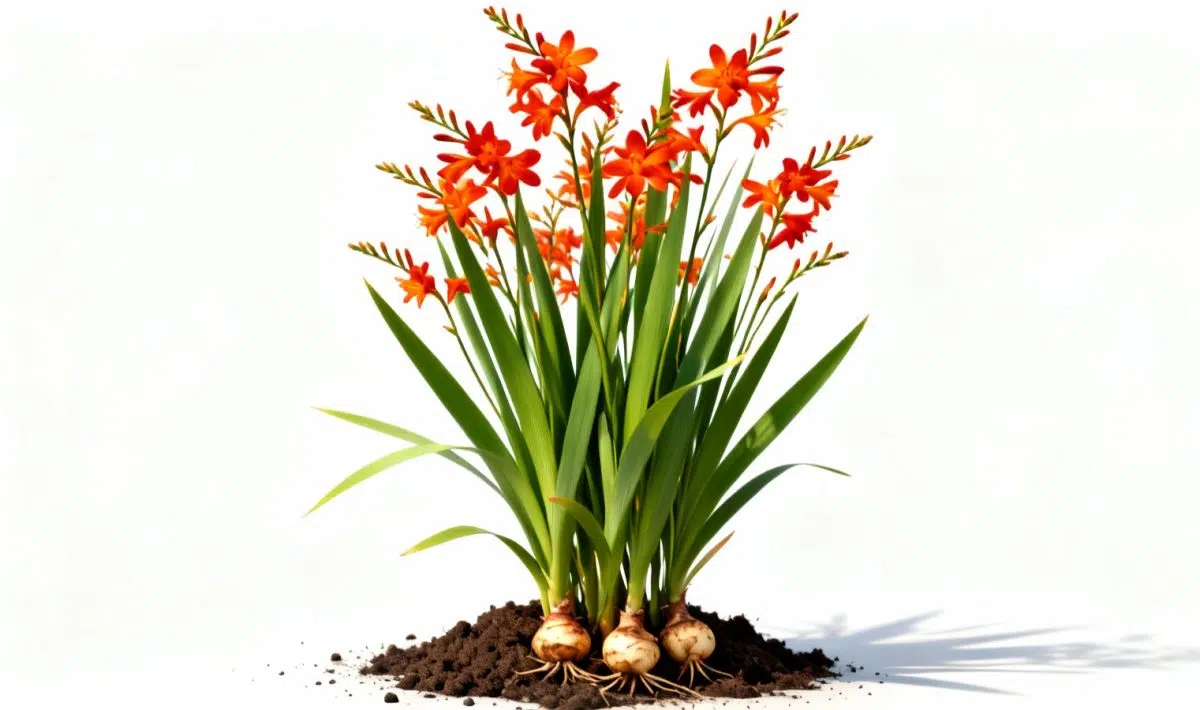
Montbretia crocosmia crocosmiiflora: planting care and propagation techniques
If you’re looking to add vibrant splashes of orange and red to your garden, Montbretia (Crocosmia crocosmiiflora) might just become your new favorite perennial. This striking South African native brings months of fiery blooms and graceful, sword-like foliage that looks fantastic both in borders and cut flower arrangements. Today, I’m excited to share everything you need to know about growing these beauties successfully.
What makes crocosmia particularly appealing is its ability to naturalize beautifully while providing reliable summer color. The plant forms expanding clumps through underground corms, creating stunning drifts over time. With proper care, you’ll enjoy cascading flower spikes that can reach impressive heights and provide excellent cutting material for indoor displays.
Understanding crocosmia characteristics and varieties
Montbretia belongs to the iris family and produces distinctive arching flower spikes from July through September. The plant typically reaches 60-120 cm in height, with elegant green feuillage that remains attractive throughout the growing season. Each flower spike carries 20-40 individual blooms in shades ranging from bright orange to deep rouge, creating a spectacular display.
Among the most popular varieties, ‘Lucifer’ stands out for its intense red flowers and robust growth habit. This cultivar reaches about 120 cm tall and produces particularly long-lasting blooms. Other notable varieties include ‘Emily McKenzie’ with orange petals marked by red centers, and ‘Star of the East’ featuring apricot-colored flowers with yellow throats.
The plant’s cormus system allows it to spread naturally, forming attractive touffes that become more impressive each year. This characteristic makes crocosmia an excellent choice for naturalizing in less formal garden areas, though it’s worth noting that in ideal conditions, the plant can become quite vigorous.
Ideal growing conditions for montbretia
Success with crocosmia begins with understanding its preferred growing environment. These plantes thrive in well-draining sol that doesn’t become waterlogged during winter months. A slightly acidic to neutral pH works best, though the plant tolerates various soil types as long as drainage is adequate.
Full sun exposure produces the most abundant floraison, though crocosmia tolerates partial shade reasonably well. In areas with intense summer heat, some afternoon shade can actually benefit the plantes by reducing stress. The key is ensuring at least six hours of direct soleil daily for optimal flower production.
When it comes to soil preparation, incorporate organic matter such as compost before plantation. This improves both drainage and fertility while helping retain appropriate moisture levels. Avoid heavy clay soils that stay soggy, as these conditions can lead to cormus rot during dormant periods.
Planting techniques and timing
The best time for planting crocosmia bulbes is during printemps, typically from March through May when soil temperatures begin warming. Plant the cormus approximately 8-10 cm deep and space them 10-15 cm apart to allow for natural spread. In colder regions, consider planting slightly deeper for additional winter protection.
When preparing your planting site, dig the soil to about 20 cm depth and mix in well-aged compost. This preparation ensures proper drainage while providing nutrients for establishing plants. Much like when you discover ti plant care tips, proper soil preparation makes all the difference in long-term success.
For container growing, choose pots at least 30 cm wide and ensure excellent drainage holes. Use a quality potting mix amended with extra perlite or coarse sand. Container-grown crocosmias may need winter protection in colder climates, so plan accordingly for moving pots to protected areas.
Propagation methods
Division represents the most reliable propagation method for crocosmia. Lift established clumps every 3-4 years during automne or early spring when plants are dormant. Carefully separate the cormus clusters, ensuring each division has both roots and growing points.
Growing from graines offers another option, though results may vary from parent plants. Collect seeds from spent flower heads in autumn and sow them in seed trays during late winter. Provide consistent moisture and warmth for germination, which typically occurs within 2-3 weeks.
Young plants from semis usually take 2-3 years to reach flowering size, while divisions often bloom the following season. This timing difference makes division the preferred method for gardeners wanting quick results.
Essential care and maintenance
Regular entretien keeps crocosmia looking its best throughout the growing season. Water deeply but infrequently, allowing soil to dry slightly between waterings. During active growth, the plants appreciate consistent moisture, but avoid overwatering which can lead to problems with the underground cormus system.
Fertilizing isn’t typically necessary in good garden sol, though a balanced liquid fertilizer applied monthly during growing season can boost performance. Avoid high-nitrogen fertilizers that promote excessive feuillage at the expense of flowers. Instead, focus on phosphorus-rich feeds that encourage blooming.
Deadheading spent flowers encourages continued blooming and prevents unwanted self-seeding. However, if you want to collect seeds or enjoy the ornamental seed heads, leave some flowers to develop naturally. The dried seed pods add interesting texture to winter jardins and provide food for birds.
Seasonal care considerations
During printemps, remove any dead or damaged feuillage as new growth emerges. This cleaning up process helps prevent disease issues and allows you to assess the health of your plantings. Apply a layer of compost around established clumps to provide nutrients and improve soil structure.
Summer care focuses on adequate watering during dry spells and monitoring for any pest issues. Fortunately, crocosmia faces few serious problems, though aphids occasionally appear on new growth. A strong spray of water usually resolves minor infestations effectively.
As autumn approaches, allow the feuillage to remain until it naturally dies back. This process helps the cormus store energy for next year’s growth. In marginal climates, apply a thick mulch layer for winter protection, particularly during the first year after plantation.
Troubleshooting common issues
While generally trouble-free, crocosmia can occasionally face certain challenges. Poor flowering often results from insufficient sunlight or overcrowded clumps that need division. Regular division every few years maintains vigor and flower production while providing new plants for other areas.
Pest problems remain minimal, though red spider mites may appear during hot, dry conditions. Increase humidity around plants through regular watering and consider companion planting with species that naturally deter pests. For example, you might learn about common lantana care to create beneficial garden combinations.
Fungal issues occasionally develop in poorly drained soils or overcrowded plantings. Improve air circulation by proper spacing and avoid overhead watering during evening hours. Remove any affected plant material promptly to prevent spread to healthy plants.
Winter protection strategies
In zones 7 and above, crocosmia typically overwinters successfully with minimal protection. Apply a 10 cm layer of mulch after the first frost kills back the foliage. This protection helps prevent freeze-thaw cycles that can damage shallow cormus.
For colder regions, consider lifting bulbes after foliage dies back and storing them indoors. Clean off soil and store in barely moist peat moss in a cool, dark location. Check periodically during winter storage and remove any soft or rotting cormus immediately.
Container-grown plants need special attention in cold climates. Move pots to unheated garages or basements where temperatures stay above freezing. Reduce watering significantly during dormancy but don’t allow soil to become completely dry.
Design ideas and companion planting
Crocosmia works beautifully in mixed borders where its vertical form provides excellent structure. The orange and rouge flowers complement blue and purple perennials particularly well. Consider pairing with agapanthus, salvias, or ornamental grasses for stunning combinations.
For naturalistic plantings, allow crocosmia to spread and intermingle with other cottage garden favorites. The plant’s ability to self-seed moderately creates wonderful informal effects over time. You might also explore painted-leaf begonia care for contrasting foliage textures in shadier spots nearby.
In cutting gardens, plant crocosmias in dedicated rows for easy harvest. The flowers last up to 14 days in vase arrangements when cut early morning and placed immediately in cool water. For longest vase life, cut stems when bottom flowers are just beginning to open.
Consider the mature hauteur when planning your design, as taller varieties like ‘Lucifer’ work best toward the back of borders. Shorter varieties fit nicely in middle positions or even containers for patio displays. The graceful arching habit looks particularly attractive when planted on slopes or raised areas where the form can be fully appreciated.
Whether you’re planning a vibrant summer border or looking for reliable cutting material, montbretia delivers consistent performance with minimal fuss. Much like how you might understand rutabaga growing techniques for your vegetable garden, mastering crocosmia care opens up exciting possibilities for your ornamental plantings. With proper planting, basic maintenance, and occasional division, these remarkable plants will reward you with years of stunning summer color and graceful garden presence.
Allan is a lifelong gardening enthusiast who still gets excited when the first seedlings pop up in spring. With a deep love for nature and a hands-in-the-soil approach, he shares practical tips, plant discoveries, and clever tricks picked up over years of digging, planting, and observing. Whether you’re a new gardener or have a shed full of tools, Allan writes like a neighbor who’s always happy to swap cuttings and stories over the fence.
You can find more about Allan’s work on Malt or connect with him on LinkedIn.