
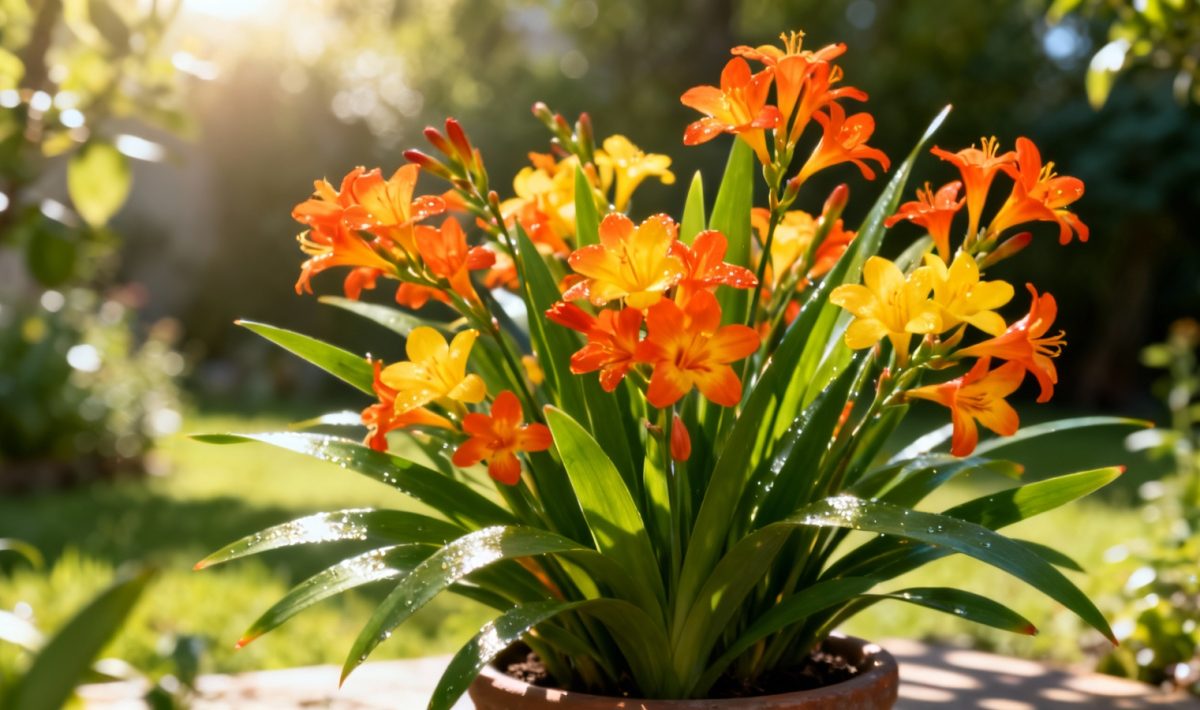
Understanding montbretia’s sunlight requirements
Montbretia, scientifically known as crocosmia, absolutely loves basking in full sun to produce those stunning orange flowers you’re dreaming of. This vibrant plant thrives best with at least six hours of direct sunlight daily, though it can tolerate partial shade in very hot climates. How much sunlight does montbretia need? The answer is simple: give it all the sun you can provide for the most spectacular blooms.
This gorgeous perennial plant originally comes from South Africa, where bright sunshine is abundant. That’s exactly why your montbretia craves similar conditions to flourish in your garden. When you provide adequate light, you’ll be rewarded with sword-like green foliage and brilliant flower spikes that attract butterflies and hummingbirds all season long.
Just like other sun-loving plants such as sunlight requirements for common yarrow, montbretia performs best when positioned in the brightest spot available in your garden. The more light it receives, the more generous the flowering display will be.
Full sun versus partial shade for crocosmia
Benefits of full sun exposure
Full sun exposure definitely brings out the best in your montbretia plants. When grown in direct sunlight for most of the day, these beauties develop stronger stems, more robust foliage, and significantly more flowers. The intense light helps the plant store energy efficiently, resulting in better overall health and winter hardiness.
In full sun conditions, crocosmia flowers display their most vibrant orange and red tones. The colors become more saturated and eye-catching when the plant receives maximum light exposure. Additionally, well-lit plants tend to have fewer pest and disease problems compared to those struggling in shadier conditions.
When partial shade can work
While montbretia prefers full sun, it can adapt to partial shade, especially in regions with very hot summers. If you live in an area where afternoon temperatures regularly exceed 90°F, providing some afternoon shade can actually help your plants. Morning sun with afternoon protection works well in these situations.
However, plants grown in partial shade typically produce fewer flowers and may develop slightly weaker stems. They might also require staking to prevent flopping, especially when grown in rich, moist soil conditions. For optimal results, aim for at least four to six hours of morning sunlight even in partial shade locations.
Planting tips for optimal light exposure
Choosing the perfect garden spot
When selecting a location for your montbretia, look for the sunniest area in your garden that also has good drainage. South-facing slopes or open areas away from large trees work wonderfully. Avoid planting near structures that cast shadows during peak sunlight hours.
Consider the mature size of nearby plants and trees when planning your montbretia garden. What seems like full sun in spring might become shaded once deciduous trees leaf out fully. Plan ahead to ensure your crocosmia maintains adequate light throughout the growing season.
Much like optimal sunlight for American sycamore requires careful consideration, your montbretia’s placement will determine its long-term success and flowering potential.
Soil and drainage considerations
Even with perfect sunlight, montbretia needs well-draining soil to thrive. Heavy clay soils that retain water can cause bulb rot, regardless of how much sun the area receives. Improve drainage by adding compost, coarse sand, or planting in raised beds.
The ideal soil for montbretia is slightly acidic to neutral, with a pH between 6.0 and 7.0. Rich, organic matter helps retain just enough moisture while still allowing excess water to drain away. This balance is crucial for healthy root development and strong flowering.
Growing montbretia from graines
Starting seeds indoors
Growing crocosmia from graines gives you access to unique varieties that might not be available as bulbs. Start seeds indoors about 10-12 weeks before your last frost date. Use small pots filled with well-draining seed starting mix, and place them in the sunniest window available.
Germination typically takes 2-4 weeks at temperatures between 65-70°F. Once seedlings emerge, they need bright light immediately to prevent stretching. If natural light isn’t sufficient, consider using grow lights to supplement. Young plants grown in inadequate light become weak and leggy.
Similar to how dandelion’s sunlight needs for growth affect their development, montbretia seedlings require consistent bright conditions from the moment they sprout.
Transplanting and care
When transplanting montbretia seedlings outdoors, choose a day with mild weather and gradually acclimate them to full sun over a week. Start with morning sun only, then gradually increase exposure. This prevents shock and leaf burn on tender young plants.
Space plants 12-18 inches apart to allow for proper air circulation and light penetration to all parts of the plant. Crowded plantings can create shaded conditions that reduce flowering and increase disease susceptibility.
Seasonal care for optimal blooming
Spring preparation
As spring arrives, clear away any debris around your montbretia to ensure maximum light reaches the emerging shoots. Cut back any dead foliage from the previous year and apply a balanced fertilizer to support strong growth.
Early spring is also the perfect time to divide overcrowded clumps. This maintains plant vigor and ensures each division receives adequate light and nutrients. Replant divisions in sunny spots with improved soil drainage for best results.
Summer maintenance
During the growing season, maintain consistent moisture without overwatering. Even sun-loving plants like montbretia need regular water during hot, dry periods. However, avoid wetting the foliage late in the day, as this can promote disease in humid conditions.
Deadhead spent flowers regularly to encourage continued blooming throughout the season. This simple maintenance task directs the plant’s energy into producing new flowers rather than setting seed. For gardeners interested in collecting seeds, allow a few flower spikes to mature at season’s end.
Just as Egyptian starcluster sunlight requirements influence its care routine, proper summer maintenance ensures your montbretia continues flowering abundantly.
Poor flowering in shade
If your montbretia produces lots of foliage but few flowers, insufficient light is likely the culprit. Consider transplanting to a sunnier location or removing overhead obstructions that block light. Sometimes simply pruning nearby shrubs can make a significant difference.
Plants that have been in shade for several years may take a full growing season to adjust to increased light levels. Be patient and maintain consistent care while they adapt to their new conditions.
Leaf scorch in intense heat
While montbretia loves sun, extremely hot conditions combined with dry soil can cause leaf edges to brown. This is more common in container-grown plants or newly planted specimens. Provide adequate water and consider temporary afternoon shade during heat waves.
Mulching around plants helps regulate soil temperature and moisture, reducing heat stress while maintaining the sunny conditions the plant needs. Organic mulches work best, breaking down slowly to improve soil structure over time.
Understanding light requirements helps you grow healthy plants, whether you’re cultivating montbretia or other species like sunlight needed by mother of thousands for indoor gardening projects.
Maximizing your montbretia display
Companion planting strategies
Combine montbretia with other sun-loving perennials that have similar light requirements but different bloom times. This creates continuous color throughout the growing season while ensuring all plants receive adequate light.
Good companions include rudbeckia, purple coneflower, and ornamental grasses. These plants complement montbretia’s orange flowers while sharing similar cultural needs. Avoid planting with shade-lovers that might struggle in the bright conditions your crocosmia requires.
Creating stunning garden displays
Plant montbretia in groups of odd numbers for the most natural appearance. Mass plantings create dramatic impact when they bloom simultaneously in late summer. Choose varieties with different bloom times to extend the flowering season.
Consider the mature height of different cultivars when planning your display. Taller varieties work well at the back of borders, while compact forms suit front positions or container gardens. All benefit from maximum sun exposure regardless of their size.
For gardeners exploring diverse plant options, understanding various species’ needs like optimal sunlight for octopus tree helps create well-designed gardens where every plant thrives in its ideal conditions.
With proper sunlight and care, your montbretia will reward you with months of spectacular orange blooms that light up your garden. These easy-to-grow plants bring tropical flair to temperate gardens while attracting beneficial pollinators and providing excellent cut flowers for indoor arrangements.

Allan is a lifelong gardening enthusiast who still gets excited when the first seedlings pop up in spring. With a deep love for nature and a hands-in-the-soil approach, he shares practical tips, plant discoveries, and clever tricks picked up over years of digging, planting, and observing. Whether you’re a new gardener or have a shed full of tools, Allan writes like a neighbor who’s always happy to swap cuttings and stories over the fence.
You can find more about Allan’s work on Malt or connect with him on LinkedIn.


