
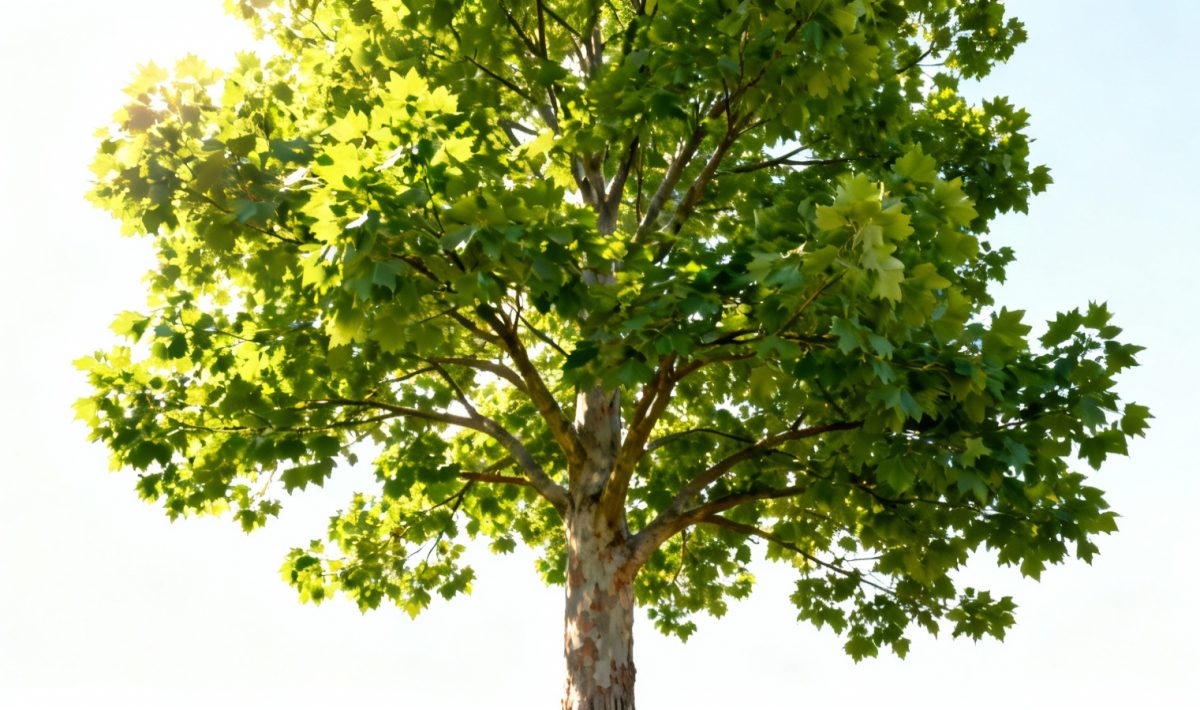
Understanding american sycamore sunlight requirements
The American sycamore, scientifically known as Platanus occidentalis, is a magnificent native tree that has specific sunlight needs for optimal growth. This impressive deciduous tree thrives when it receives adequate exposure to direct sunlight, much like how sunlight requirements for common dandelion demonstrate the importance of proper light conditions for plant health. Understanding how much sunlight does American sycamore need will help you make informed decisions about planting and caring for these beautiful trees.
American sycamores are known for their distinctive mottled bark and large, broad leaves that create excellent shade. These trees naturally grow along riverbanks and floodplains, where they receive abundant sunlight throughout the day. The species has evolved to be quite hardy and adaptable, but proper light exposure remains crucial for their development.
Optimal sunlight exposure for american sycamore trees
American sycamore trees require a minimum of 6 hours of direct sunlight daily to maintain healthy growth patterns. However, for optimal development, these trees perform best with 6-8 hours of full sun exposure. This extended period of direct light allows the tree to photosynthesize efficiently and develop the strong, dense canopy that sycamores are famous for.
During the growing season from spring through fall, consistent sunlight helps the tree produce the energy it needs for new growth, leaf production, and seed development. The morning sun is particularly beneficial as it helps dry dew from leaves, reducing the risk of fungal diseases that can affect tree health.
While American sycamores can tolerate partial shade conditions, trees grown in less than ideal light conditions often exhibit slower growth rates and may develop a more sparse, open canopy. The leaves may also appear smaller and less vibrant when the tree doesn’t receive adequate sunlight.
Comparing sunlight needs with other trees
When planning your landscape, it’s helpful to understand how American sycamore sunlight requirements compare to other species. While some plants like sunlight needs of zanzibar gem are more flexible with light conditions, American sycamores are decidedly sun-loving trees that won’t compromise on their light requirements.
Unlike shade-tolerant trees such as maples or dogwoods, American sycamores struggle in low-light environments. They belong to the category of full-sun trees, along with oaks, hickories, and many pine species. This classification means they have evolved to compete for canopy space and require direct overhead light to thrive.
The difference becomes particularly apparent when comparing young trees. Sycamore seedlings that receive inadequate light will often become leggy and weak, while those in full sun develop strong, sturdy trunks and robust root systems from an early age.
Best planting locations for maximum sun exposure
Choosing the right location is crucial when determining how much sunlight does American sycamore need in your specific landscape. Look for areas that receive morning sun and continue to have good light exposure throughout most of the day. Open lawns, large yards, and areas away from tall buildings or mature trees typically provide the best conditions.
Avoid planting American sycamores on the north side of buildings or under existing tree canopies where they would be shaded for significant portions of the day. These locations will limit the tree’s growth potential and may lead to poor overall health over time.
Consider the mature size of the sycamore when selecting a planting site. These trees can reach 75-100 feet in height with a spread of 50-70 feet, so they need space not only for current sun exposure but also room to grow without eventually becoming shaded by nearby structures or other trees.
Seasonal light considerations and tree care
The sunlight needs of American sycamore trees vary slightly throughout the seasons, though the basic requirement for full sun remains constant. During spring, increased daylight hours help trigger new growth and leaf development. Summer’s intense heat and long days provide the peak growing conditions that sycamores love.
Fall brings shorter days, but the tree continues to benefit from available sunlight as it prepares for dormancy. Even in winter, when the tree is leafless, sunlight reaching the trunk and branches helps maintain overall tree health and prepares it for the next growing season.
Similar to how gardeners must consider Egyptian starcluster sunlight needs for proper plant care, understanding seasonal variations helps optimize sycamore tree management throughout the year.
Optimizing sunlight exposure through proper care
Once your American sycamore is established, there are several techniques you can use to ensure it continues receiving adequate sunlight. Regular pruning helps maintain good air circulation and light penetration throughout the canopy. Remove any dead, damaged, or crossing branches that might block light from reaching other parts of the tree.
Keep the area around young sycamores clear of competing vegetation that might shade the lower trunk or root zone. Grass and weeds growing too close to the tree can create competition for resources and may harbor pests or diseases.
Monitor nearby structures and plantings that might eventually interfere with your sycamore’s light exposure. Trees and shrubs planted nearby will grow over time and could potentially shade your sycamore if not properly managed.
Signs of insufficient sunlight and solutions
American sycamore trees that aren’t receiving enough sunlight will show several telltale signs. The most common indicators include sparse foliage, smaller than normal leaves, and elongated growth as the tree stretches toward available light sources. The bark might also appear less vibrant, and overall growth will be noticeably slower.
If you notice these symptoms, evaluate the surrounding area for potential solutions. Sometimes selective removal of competing vegetation or pruning of nearby trees can significantly improve light conditions. In some cases, you might need to consider transplanting young trees to more suitable locations.
For established trees that can’t be moved, focus on optimizing other growing conditions such as soil quality, drainage, and nutrition. While these measures won’t replace the need for adequate sunlight, they can help the tree make the most of available light conditions.
Just as different plants like optimal sunlight for mother of thousands have specific requirements, understanding your sycamore’s unique needs will help you provide the best care possible.
Environmental factors affecting light requirements
Several environmental factors can influence how much sunlight does American sycamore need in your specific location. Climate zone, local weather patterns, and seasonal variations all play important roles in determining optimal light exposure.
In northern regions with shorter growing seasons, maximizing available sunlight becomes even more critical for healthy tree development. Conversely, in extremely hot southern climates, some afternoon shade might actually benefit young trees by preventing heat stress, though mature sycamores typically handle full sun well even in hot conditions.
Soil conditions also interact with light requirements. Trees growing in poor or compacted soils may struggle even with adequate sunlight, while those in rich, well-draining soils can better utilize available light for optimal growth.
Consider local air quality and pollution levels, which can affect how effectively trees can utilize sunlight for photosynthesis. Urban environments may require extra attention to ensure trees receive the quality light exposure they need.
Long-term benefits of proper sunlight exposure
American sycamore trees that receive adequate sunlight throughout their development will reward you with decades of beauty and environmental benefits. These trees can live for several hundred years when properly cared for, providing generations of shade, wildlife habitat, and aesthetic value.
Well-lit sycamores develop the characteristic broad, spreading canopy that makes them excellent shade trees for large properties. Their distinctive exfoliating bark becomes more pronounced and attractive on healthy, sun-exposed trees.
Understanding requirements for various species, such as sunlight conditions for octopus tree, helps create diverse, healthy landscapes where each plant receives what it needs to thrive.
Proper sunlight exposure also contributes to the tree’s natural pest and disease resistance. Healthy, vigorous trees that receive adequate light are better able to withstand environmental stresses and recover from any damage that might occur over their long lifespans.

Allan is a lifelong gardening enthusiast who still gets excited when the first seedlings pop up in spring. With a deep love for nature and a hands-in-the-soil approach, he shares practical tips, plant discoveries, and clever tricks picked up over years of digging, planting, and observing. Whether you’re a new gardener or have a shed full of tools, Allan writes like a neighbor who’s always happy to swap cuttings and stories over the fence.
You can find more about Allan’s work on Malt or connect with him on LinkedIn.


