How much sunlight does Egyptian starcluster need for optimal growth
The Egyptian starcluster, scientifically known as Pentas lanceolata, has become one of the most beloved flowering plants for gardeners who want vibrant, star-shaped blooms that attract butterflies and hummingbirds. Understanding how much sunlight this plant needs is crucial for ensuring healthy growth and abundant flowering throughout the growing season.
This beautiful flowering plant thrives best with at least 6 hours of direct sunlight daily. The Egyptian starcluster is considered a sun-loving plant that produces its most spectacular displays when given ample bright light. However, it also shows remarkable adaptability to different light conditions, which makes it suitable for various garden locations.
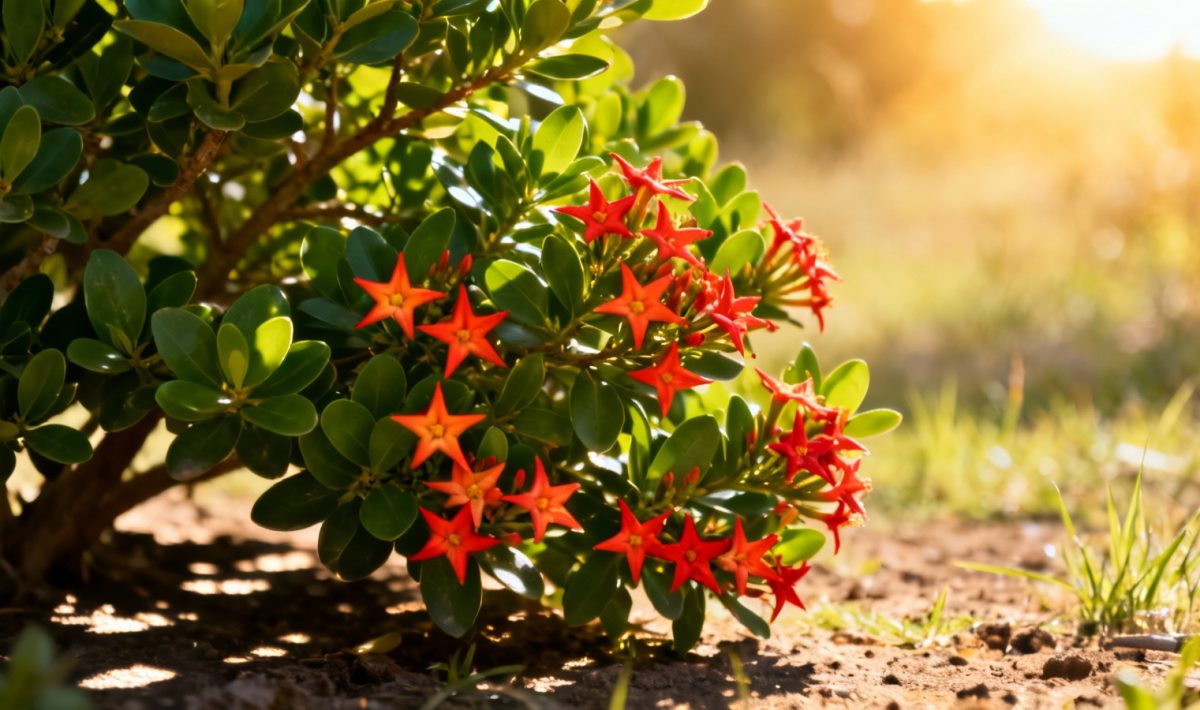
In its native habitat, this plant grows under intense sunlight, which explains why it performs so well in full sun conditions. The more sunlight it receives, the more compact and bushy the plant becomes, with denser flower clusters that showcase those characteristic star-shaped blooms in vibrant colors ranging from white and pink to red and lavender.
Full sun versus partial shade conditions
When grown in full sun, Egyptian starcluster develops into a robust, well-branched plant with abundant flowering. The ideal placement would be in a location that receives 6 to 8 hours of direct sunlight, particularly morning sun which is gentler than harsh afternoon rays. This exposure ensures optimal photosynthesis and encourages the production of those stunning flower clusters.
Partial shade tolerance makes this plant versatile for gardens with varying light conditions. It can survive and even bloom with as little as 2 to 3 hours of direct sunlight, though the flowering may not be as prolific. Similar to how sunlight requirements for mother of thousands vary based on growing conditions, Egyptian starcluster adapts its growth pattern to available light.
In regions with extremely hot summers, some afternoon shade can actually benefit the plant by preventing leaf scorch and reducing water stress. The key is finding that sweet spot between adequate light for flowering and protection from excessive heat.
Seasonal variations and light management
Throughout the year, light requirements may shift based on seasonal changes and weather patterns. During spring and fall, when temperatures are moderate, full sun exposure poses no problems and actually encourages vigorous growth and blooming. These seasons offer ideal conditions for establishing new plants or encouraging existing ones to flourish.
Summer brings different challenges, particularly in regions with intense heat. While the plant still needs substantial sunlight, providing some protection during the hottest part of the day (typically 2 PM to 4 PM) can prevent stress. This approach is similar to managing sunlight needs of the octopus tree, where balancing light and heat protection becomes essential.
Winter care varies depending on your climate zone. In tropical and subtropical areas, the plant may continue growing year-round with consistent light requirements. However, in temperate regions where it’s grown as an annual, the growing season typically ends with the first frost.
Signs of proper versus inadequate lighting
Recognizing the signs of appropriate light levels helps ensure your Egyptian starcluster remains healthy and productive. Plants receiving adequate sunlight display compact, bushy growth with deep green foliage and abundant flower clusters. The stems remain sturdy and upright, supporting the weight of numerous blooms without becoming leggy or weak.
Insufficient light creates several telltale problems. The most obvious sign is etiolation, where stems become elongated and weak as the plant stretches toward available light sources. Foliage may appear pale or yellowish, and flowering becomes sparse or stops altogether. Just as with optimal sunlight for zanzibar gem, inadequate light leads to poor plant performance.
Excessive sun exposure, while less common, can also cause problems. Leaves may develop brown edges or appear scorched, particularly during hot afternoons. The plant may wilt more frequently despite adequate watering, indicating heat stress rather than drought.
Optimizing placement for best results
Choosing the right location in your garden or landscape is crucial for Egyptian starcluster success. South-facing locations typically provide the most consistent sunlight throughout the day, making them ideal for this sun-loving plant. East-facing spots offer excellent morning sun with some afternoon protection, which can be perfect in hot climates.
Container growing offers flexibility in managing light exposure. You can move potted plants to optimize their sun exposure throughout the day or season. This mobility is particularly valuable in regions with extreme summer heat, where temporary relocation to a spot with morning sun and afternoon shade can prevent stress.
When planning companion plantings, consider how neighboring plants might affect light availability. Tall shrubs or trees that cast shadows can significantly reduce the sunlight reaching your Egyptian starcluster. Understanding these dynamics helps in creating successful plant combinations, much like considering sunlight for common chokecherry growth when planning fruit tree placement.
Indoor growing considerations
Growing Egyptian starcluster indoors requires special attention to light requirements. A south-facing window that receives several hours of direct sunlight can support healthy growth, though flowering may be reduced compared to outdoor plants. Supplemental grow lights can help bridge the gap between available natural light and the plant’s needs.
Indoor plants benefit from being rotated regularly to ensure even light exposure on all sides. Without this rotation, plants tend to lean toward the light source and develop an uneven shape. The controlled environment indoors also means you can manage light exposure more precisely than in outdoor settings.
Troubleshooting common light-related problems
Poor flowering often indicates insufficient sunlight, even when plants appear healthy otherwise. If your Egyptian starcluster produces lush foliage but few flowers, consider relocating it to a brighter spot or removing obstacles that might be blocking sunlight. This principle applies to many flowering plants, including understanding sunlight for beautiful hollyhock blooms.
Leggy growth suggests the plant is stretching for light. While pruning can help maintain shape, addressing the underlying light deficiency is essential for long-term plant health. Sometimes this means transplanting to a better location or removing competing vegetation that blocks sunlight.
Leaf discoloration can indicate either too much or too little light. Pale, yellow leaves typically suggest insufficient light, while brown or scorched leaves indicate excessive sun exposure. Adjusting the plant’s location or providing appropriate shade during peak sun hours can resolve these issues.
Maximizing flowering through proper light management
Consistent light exposure throughout the growing season encourages continuous blooming, which is one of Egyptian starcluster’s most attractive features. Unlike plants such as silver maple’s sunlight needs that focus primarily on growth, this flowering plant requires adequate light specifically for bloom production.
Regular deadheading combined with proper light exposure extends the blooming period significantly. When spent flowers are removed promptly, the plant can redirect energy into producing new buds rather than developing seeds. This maintenance practice works best when the plant receives its optimal 6 to 8 hours of daily sunlight.
Understanding how much sunlight Egyptian starcluster needs empowers you to create the ideal growing conditions for this remarkable flowering plant. With proper light management, you’ll be rewarded with months of beautiful star-shaped blooms that bring color and wildlife to your garden space.
Allan is a lifelong gardening enthusiast who still gets excited when the first seedlings pop up in spring. With a deep love for nature and a hands-in-the-soil approach, he shares practical tips, plant discoveries, and clever tricks picked up over years of digging, planting, and observing. Whether you’re a new gardener or have a shed full of tools, Allan writes like a neighbor who’s always happy to swap cuttings and stories over the fence.
You can find more about Allan’s work on Malt or connect with him on LinkedIn.