Why are my egyptian starcluster leaves turning yellow? Recent plant care insights
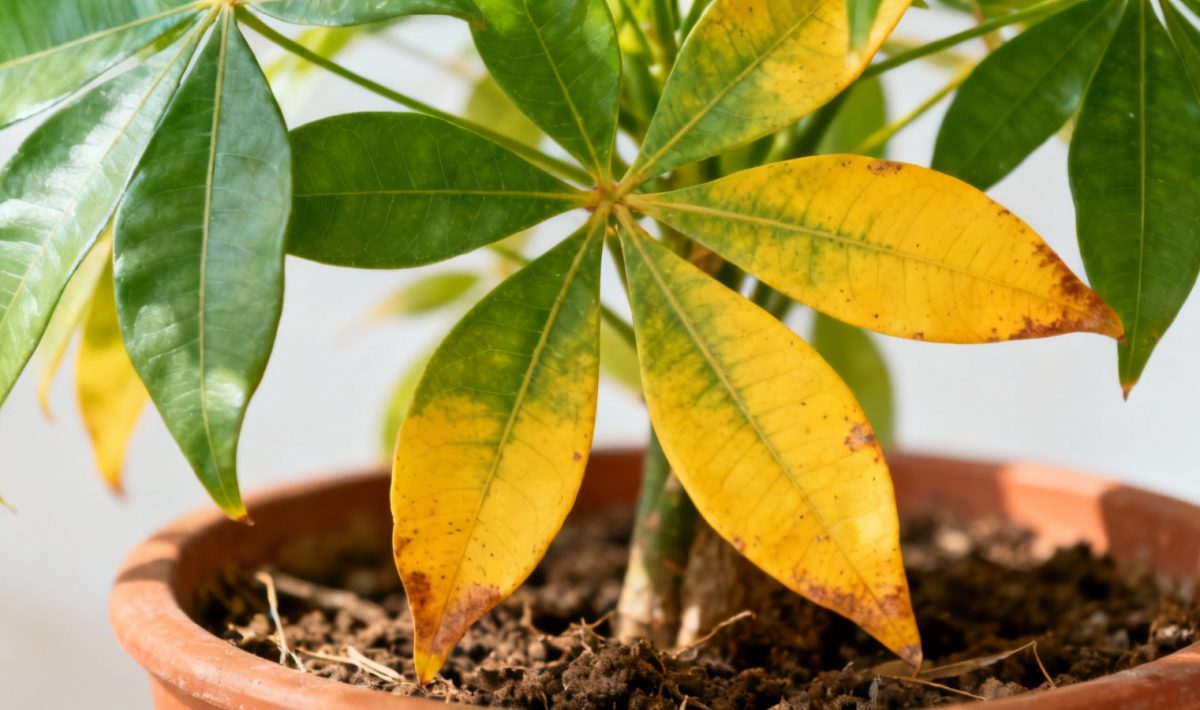
Nothing’s more frustrating than watching your beautiful Egyptian starcluster develop yellow leaves when it was thriving just weeks ago. This common issue affects many plant enthusiasts, but the good news is that yellowing leaves usually signal specific problems that can be addressed with the right approach.
Egyptian starclusters are generally hardy plants, but they’re not immune to environmental stress. When leaves start turning yellow, your plant is essentially sending you a message about its current growing conditions. Understanding these signals will help you restore your plant’s vibrant green appearance and prevent future issues.
Common causes of yellowing leaves in Egyptian starclusters
The most frequent culprits behind yellow leaves are watering issues, light problems, and nutrient deficiencies. Each cause presents slightly different symptoms, making it easier to identify the specific problem affecting your plant.
Water stress – too much or too little
Overwatering ranks as the top reason for yellowing leaves in most houseplants, including Egyptian starclusters. When roots sit in soggy soil for extended periods, they begin to rot and can’t absorb nutrients properly. This creates a cascade effect where leaves turn yellow from the bottom up, often becoming soft and mushy to the touch.
On the flip side, underwatering causes leaves to yellow and become crispy around the edges. The plant prioritizes its energy for new growth, sacrificing older leaves in the process. You’ll notice the soil pulling away from the pot edges and feeling bone dry several inches down.
✅ Quick Checklist
Is the soil too wet or too dry?
Is the plant getting 6+ hours of sunlight daily?
Have you fertilized in the last 2 months?
Are there visible pests under the leaves?
Does the pot have adequate drainage?
🔥 FREE
📱
Diagnose your plant in one click!
AI instant diagnosis • Personalized solutions • 50,000+ species
Egyptian starclusters thrive in bright, indirect sunlight but struggle when light conditions are extreme. Insufficient light causes the plant to lose its vibrant green color as chlorophyll production decreases. The leaves gradually turn pale yellow, starting with older foliage at the bottom of the plant.
Conversely, excessive direct sun can scorch the leaves, creating yellow patches that eventually turn brown. This is particularly common during the high summer months when the sun’s rays are most intense. The damage typically appears on leaves facing the light source first.
Nutrient deficiencies and their symptoms
A lack of essential nutrients, particularly nitrogen, causes widespread yellowing throughout the plant. Nitrogen deficiency shows up as yellowing that starts with the oldest leaves and progresses upward. The plant redirects available nitrogen to support new growth, leaving older leaves to fade.
Iron deficiency presents differently, with younger leaves turning yellow while the veins remain green. This creates a distinctive pattern that’s easy to identify once you know what to look for. Magnesium deficiency causes yellowing between leaf veins on older leaves, often accompanied by brown spots.
Disease and pest problems causing yellow leaves
Several diseases can cause yellowing in Egyptian starclusters, with fungal infections being the most common. Root rot, often caused by overwatering, leads to yellowing leaves that eventually drop off the plant. You might notice a musty smell from the soil and black, mushy roots if you inspect the root system.
Pest infestations also contribute to leaf yellowing. Spider mites, aphids, and whiteflies all feed on plant sap, weakening the plant and causing leaves to lose their green color. Similar issues affect other plants, as seen with reasons for yellow honeysuckle leaves and causes of yellow snake plant leaves .
Check the undersides of leaves regularly for tiny moving specks or sticky honeydew deposits. Early detection makes treatment much more effective and prevents the infestation from spreading to other plants in your collection.
Solutions to restore healthy green foliage
Once you’ve identified the cause of yellowing leaves, implementing the right solution becomes straightforward. For watering issues, adjust your schedule based on the soil’s moisture level rather than following a rigid calendar. Stick your finger two inches into the soil – if it’s dry, water thoroughly until water drains from the bottom.
Improve drainage by repotting in a well-draining potting mix if waterlogged conditions are the problem. Add perlite or coarse sand to regular potting soil to increase drainage capacity. Ensure your pot has adequate drainage holes and consider using a saucer that you empty after watering.
Adjusting light conditions
Relocate your Egyptian starcluster to receive bright, indirect light for at least six hours daily. An east-facing window provides ideal morning sun without the harsh afternoon rays. If natural light is limited, consider supplementing with a grow light positioned 12-18 inches above the plant.
During summer months, protect plants from intense direct sun by moving them slightly away from south-facing windows or using sheer curtains to filter the light. Monitor how your plant responds to new positions and adjust accordingly.
✅ Quick Checklist
Is the soil too wet or too dry?
Is the plant getting 6+ hours of sunlight daily?
Have you fertilized in the last 2 months?
Are there visible pests under the leaves?
Does the pot have adequate drainage?
🔥 FREE
📱
Diagnose your plant in one click!
AI instant diagnosis • Personalized solutions • 50,000+ species
Feed your Egyptian starcluster with a balanced, diluted fertilizer every 4-6 weeks during the growing season (spring through early fall). Use a fertilizer with equal parts nitrogen, phosphorus, and potassium, diluted to half the recommended strength to prevent fertilizer burn.
For iron deficiency, apply an iron chelate supplement according to package directions. Magnesium deficiency responds well to Epsom salt dissolved in water – mix one teaspoon per quart of water and apply monthly until symptoms improve.
Prevention and long-term plant care
Preventing yellow leaves is always easier than treating them after they appear. Establish a consistent watering routine that accounts for seasonal changes in growth and environmental conditions. Plants need less water during winter months when growth slows down.
Regular inspection of your Egyptian starcluster helps catch problems early. Look for changes in leaf color, texture, or growth patterns during your weekly watering routine. Remove any yellowing leaves promptly to redirect the plant’s energy toward healthy growth and prevent potential disease spread.
Maintain proper humidity levels around your plant, especially during dry winter months when indoor heating reduces air moisture. Place a humidity tray filled with pebbles and water near your plant, or group several plants together to create a more humid microenvironment.
With proper care and attention to these key factors, your Egyptian starcluster should recover from yellowing leaves and continue producing vibrant, healthy foliage. Remember that some leaf yellowing is natural as plants age, but widespread or sudden yellowing typically indicates an environmental issue that needs addressing.
Allan is a lifelong gardening enthusiast who still gets excited when the first seedlings pop up in spring. With a deep love for nature and a hands-in-the-soil approach, he shares practical tips, plant discoveries, and clever tricks picked up over years of digging, planting, and observing. Whether you’re a new gardener or have a shed full of tools, Allan writes like a neighbor who’s always happy to swap cuttings and stories over the fence.
You can find more about Allan’s work on Malt or connect with him on LinkedIn.