Why are my english ivy leaves turning yellow? Common causes and solutions
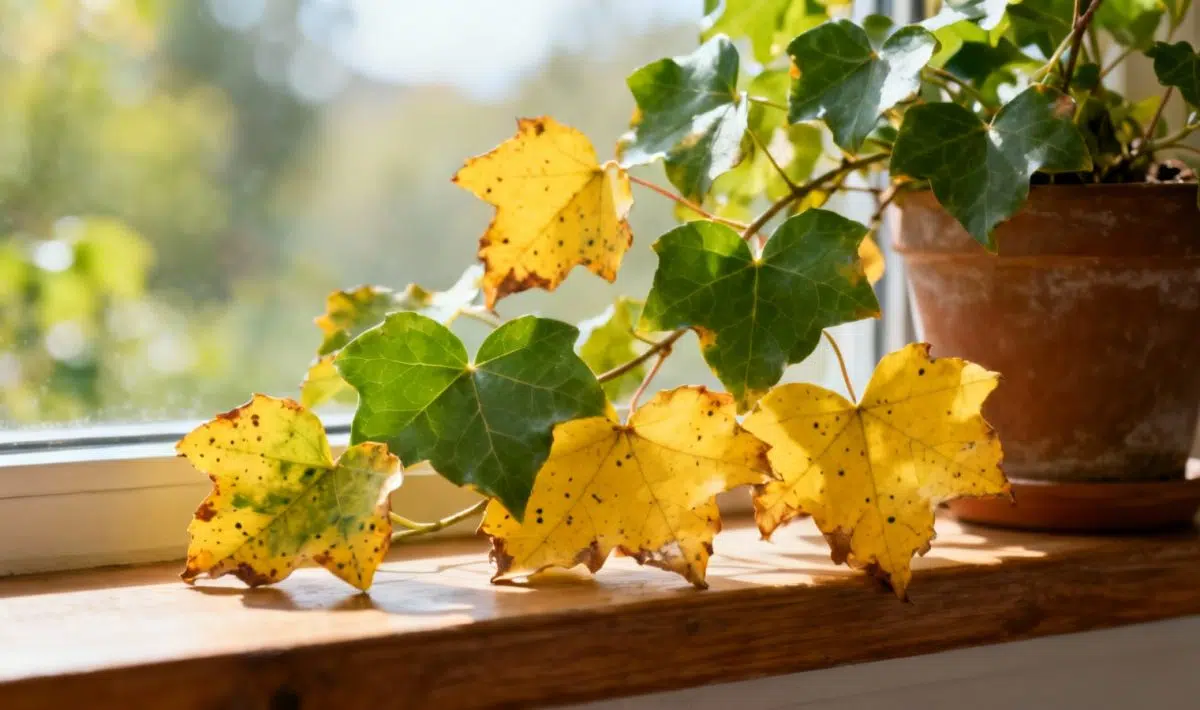
Nothing’s more frustrating than watching your beautiful English ivy suddenly develop yellow leaves. You’ve been caring for it diligently, yet those vibrant green leaves are slowly losing their color. Don’t worry – why are my english ivy leaves turning yellow is a common concern that most plant parents face at some point, and it’s usually fixable with the right approach.
Your ivy is trying to tell you something through those yellowing leaves. Whether it’s sitting in your living room adding charm to your space or climbing up your garden wall, understanding what causes this color change will help you restore your plant’s health and prevent future issues.
English ivy (Hedera helix) is naturally a hardy plant that can thrive in various conditions. This climbing vine originates from Europe and western Asia, where it grows in forests with filtered light and consistent moisture. In your home or garden, it maintains these same preferences – moderate light, steady humidity, and well-draining soil.
The leaves are the plant’s powerhouse, conducting photosynthesis and regulating water intake. When they turn yellow, it’s often the first sign that something in your care routine needs adjustment. Healthy ivy leaves should be deep green with prominent veins, feeling firm to the touch.
✅ Quick Checklist
Is the soil too wet or too dry?
Is the plant getting 6+ hours of sunlight daily?
Have you fertilized in the last 2 months?
Are there visible pests under the leaves?
Does the pot have adequate drainage?
🔥 FREE
📱
Diagnose your plant in one click!
AI instant diagnosis • Personalized solutions • 50,000+ species
Water issues are the most common culprit behind yellowing ivy leaves. Your plant needs consistent moisture, but not soggy conditions. When you water too frequently, the soil becomes waterlogged, preventing roots from accessing oxygen. This leads to root rot, which manifests as yellow leaves starting from the bottom of the plant.
On the flip side, underwatering causes leaves to yellow and dry out as the plant tries to conserve moisture. The key is finding that sweet spot – soil that feels slightly damp but not wet when you stick your finger about an inch deep.
Check your pot’s drainage too. If water sits in the bottom without a way to escape, you’ll create the perfect environment for root problems. Make sure your container has drainage holes, and consider adding a layer of pebbles at the bottom to improve water flow.
Light and environmental factors
English ivy prefers bright, indirect light but can tolerate some shade. Too much direct sunlight, especially during hot summer afternoons, can scorch leaves and cause them to yellow and brown. If your ivy sits near a south-facing window, try moving it back a few feet or providing some filtering with a sheer curtain.
Conversely, insufficient light forces the plant to shed older leaves, which turn yellow before dropping. This is particularly common during winter months when daylight hours are shorter. You might notice this happening more with indoor plants compared to those growing in your garden where they can access natural light throughout the day.
Temperature fluctuations also stress your ivy. These plants prefer stable conditions between 65-75°F (18-24°C). Avoid placing them near heating vents, air conditioners, or drafty windows where temperatures can swing dramatically.
Soil quality and nutrition issues
Poor soil quality often leads to yellowing leaves because your plant can’t access the nutrients it needs. English ivy thrives in well-draining, slightly acidic to neutral soil (pH 6.0-7.0). Heavy clay soil retains too much water, while sandy soil drains too quickly and doesn’t hold nutrients effectively.
Just like reasons for yellow leaves on honeysuckle can stem from nutrient deficiencies, your ivy might be lacking essential elements. Nitrogen deficiency typically causes older leaves to yellow first, starting from the bottom of the plant and working upward.
If you haven’t fertilized your ivy in several months, this could be the issue. During the growing season (spring through early fall), feed your plant with a balanced, diluted liquid fertilizer every 4-6 weeks. Avoid over-fertilizing, which can burn roots and cause similar yellowing symptoms.
Pest problems and diseases
Spider mites, aphids, and scale insects love English ivy and can quickly cause leaves to yellow and drop. These tiny pests suck plant juices, weakening your ivy and causing stress that shows up as discolored foliage. Check the undersides of leaves regularly for small moving dots, sticky honeydew, or cotton-like scale covering.
Fungal diseases like leaf spot or powdery mildew also cause yellowing, often accompanied by brown spots or a white powdery coating on leaves. These issues typically develop in conditions with poor air circulation and high humidity.
If you suspect pests, treat your plant with insecticidal soap or neem oil. For fungal problems, improve air circulation around your plant and avoid getting water on the leaves when you water. Similar to how causes of yellowing cylindrical snake plant leaves can include pest damage, early intervention is key to preventing widespread problems.
✅ Quick Checklist
Is the soil too wet or too dry?
Is the plant getting 6+ hours of sunlight daily?
Have you fertilized in the last 2 months?
Are there visible pests under the leaves?
Does the pot have adequate drainage?
🔥 FREE
📱
Diagnose your plant in one click!
AI instant diagnosis • Personalized solutions • 50,000+ species
Sometimes yellowing leaves are simply part of your ivy’s natural growth cycle. Older leaves at the bottom of the plant will naturally yellow and drop as the plant puts energy into new growth. This is completely normal and nothing to worry about, especially if you’re only losing a few leaves here and there.
Seasonal changes also affect your ivy’s appearance. During fall and winter, growth slows down, and some yellowing is expected as the plant enters a rest period. You’ll notice this more with outdoor ivy, but indoor plants can also respond to shorter daylight hours.
Solutions and prevention strategies
Start by evaluating your watering routine. Stick to watering when the top inch of soil feels dry to the touch. During summer, this might mean watering every few days, while winter watering could be weekly or less frequent.
Improve your soil quality by mixing in some compost or well-aged potting mix. This helps with both drainage and nutrition. If you’re growing ivy in a pot, consider repotting every 2-3 years with fresh soil to refresh the growing medium.
For indoor plants, consider these care improvements:
Place your ivy in bright, indirect light near an east or north-facing window
Maintain humidity levels around 40-50% using a humidifier or pebble tray
Keep temperatures stable and away from heat sources
Prune yellowing leaves promptly to prevent disease spread
Rotate your plant weekly for even growth
Regular monitoring is your best defense against serious problems. Check your ivy weekly for signs of stress, pests, or disease. The sooner you catch issues, the easier they are to fix. With proper care, your English ivy will reward you with lush, green foliage that adds beauty to your indoor space or garden for years to come.
Allan is a lifelong gardening enthusiast who still gets excited when the first seedlings pop up in spring. With a deep love for nature and a hands-in-the-soil approach, he shares practical tips, plant discoveries, and clever tricks picked up over years of digging, planting, and observing. Whether you’re a new gardener or have a shed full of tools, Allan writes like a neighbor who’s always happy to swap cuttings and stories over the fence.
You can find more about Allan’s work on Malt or connect with him on LinkedIn.