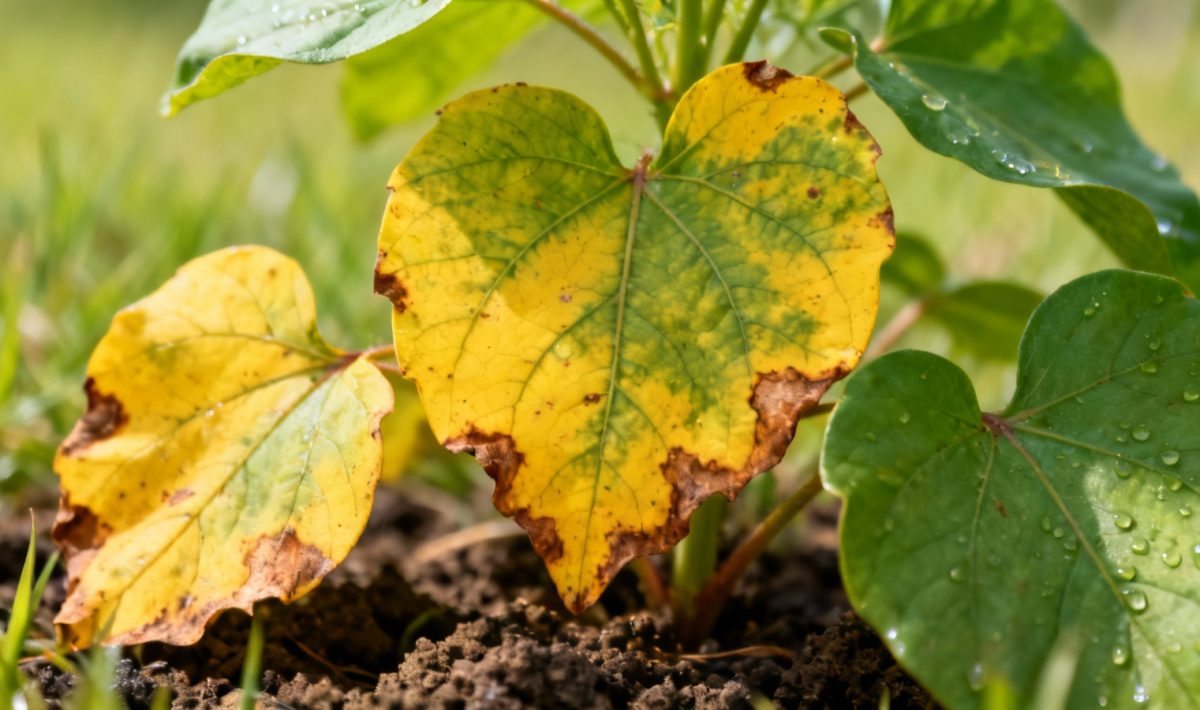
Why are my garden cosmos leaves turning yellow – diagnosis and solutions
When your beautiful cosmos flowers start showing yellow leaves, it can be quite concerning for any garden enthusiast. These cheerful annuals are typically hardy plants that thrive with minimal care, but several factors can cause their foliage to turn yellow. Understanding the root causes will help you address the issue quickly and restore your cosmos to their full glory.
The most common reason for yellowing cosmos leaves is simply the natural aging process. As these annual flowers progress through their life cycle, older leaves naturally turn yellow and drop off to make way for new growth. This process typically begins with the lower leaves and gradually moves upward.
During late summer and early fall, cosmos plants will naturally begin to show more yellowing as they prepare for the end of their growing season. However, if you notice extensive yellowing early in the season, other factors are likely at play. The key is distinguishing between normal aging and problematic yellowing that requires your attention.
Watering issues that cause yellowing
Both overwatering and underwatering can cause cosmos leaves to turn yellow, but they present differently. Overwatered plants typically show yellowing from the bottom up, often accompanied by soft, mushy stems and a generally wilted appearance despite moist soil. The roots may begin to rot in waterlogged conditions.
Underwatered cosmos, on the other hand, will show yellowing along with crispy, dry edges on leaves. The soil will be noticeably dry several inches down, and the entire plant may appear droopy. Cosmos prefer well-draining soil that dries out slightly between waterings. They can tolerate some drought but perform best with consistent moisture during hot weather.
To maintain proper watering, check the soil moisture by inserting your finger 2-3 inches deep. Water thoroughly when the top inch feels dry, allowing excess water to drain away completely. Morning watering is ideal as it gives plants time to dry before evening.
Fungal diseases and pest problems
Several fungal diseases can cause yellowing in cosmos plants, particularly in humid conditions or when leaves stay wet for extended periods. Powdery mildew appears as white, powdery spots on leaves before they yellow and drop. Bacterial wilt can cause rapid yellowing and collapse of entire branches.
Common pests that may cause yellowing include aphids, spider mites, and whiteflies. These tiny insects suck plant juices, weakening the cosmos and causing leaves to yellow. Similar to how yellowing leaves of japanese honeysuckle can indicate pest problems, cosmos showing yellowing patterns may signal insect infestations.
To prevent fungal issues, ensure good air circulation around plants and avoid overhead watering. Remove affected leaves promptly and consider applying organic fungicides if problems persist. For pest control, encourage beneficial insects like ladybugs and lacewings, or use insecticidal soap for severe infestations.
Nutritional deficiencies in your garden
While cosmos are not heavy feeders, nutritional deficiencies can still cause yellowing leaves. Nitrogen deficiency is the most common culprit, causing older leaves to yellow first as the plant moves nutrients to newer growth. However, too much nitrogen can also be problematic, promoting excessive foliage at the expense of flowers.
Potassium deficiency appears as yellowing along leaf edges, while iron deficiency causes yellowing between leaf veins, leaving them green. Poor soil drainage can prevent roots from accessing nutrients even when they’re present in the soil.
For cosmos grown in containers or poor soil, a balanced, diluted fertilizer applied monthly during the growing season can help prevent nutritional deficiencies. Organic compost worked into the soil provides slow-release nutrients and improves soil structure. Just as with catmint leaves turning yellow, addressing soil nutrition often resolves yellowing issues in garden plants.
Environmental stress factors
Cosmos are generally tolerant plants, but extreme environmental conditions can stress them and cause yellowing. Excessive heat combined with poor air circulation can lead to heat stress, while sudden temperature drops can shock plants and trigger yellowing.
Insufficient sunlight is another common cause of yellowing cosmos leaves. These plants need full sun (at least 6-8 hours daily) to thrive. In shadier locations, they become leggy and weak, with lower leaves yellowing as the plant stretches toward available light.
Soil pH outside the ideal range (6.0-7.0) can also cause nutrient uptake problems leading to yellowing. Test your soil pH and amend with lime to raise it or sulfur to lower it if needed.
✅ Quick Checklist
Is the soil too wet or too dry?
Is the plant getting 6+ hours of sunlight daily?
Have you fertilized in the last 2 months?
Are there visible pests under the leaves?
Does the pot have adequate drainage?
🔥 FREE
📱
Diagnose your plant in one click!
AI instant diagnosis • Personalized solutions • 50,000+ species
Preventing yellowing leaves starts with proper planting practices. Choose a sunny location with well-draining soil and space plants adequately to ensure good air circulation. Cosmos planted too close together compete for resources and are more susceptible to fungal diseases.
Regular monitoring is essential for catching problems early. Check your plants weekly for signs of pests, diseases, or stress. Remove yellowing leaves promptly to prevent disease spread and improve the plant’s appearance. Deadheading spent flowers not only keeps plants looking tidy but also encourages continued blooming.
Mulching around cosmos plants helps retain soil moisture and suppress weeds while keeping soil temperatures more stable. However, keep mulch a few inches away from plant stems to prevent moisture-related problems and pest harboring.
By understanding these common causes of yellowing cosmos leaves and implementing proper care practices, you can keep your garden cosmos healthy and vibrant throughout their growing season. Remember that some yellowing is natural, but addressing environmental and care issues will minimize problems and maximize your flowers’ beauty and longevity.
Allan is a lifelong gardening enthusiast who still gets excited when the first seedlings pop up in spring. With a deep love for nature and a hands-in-the-soil approach, he shares practical tips, plant discoveries, and clever tricks picked up over years of digging, planting, and observing. Whether you’re a new gardener or have a shed full of tools, Allan writes like a neighbor who’s always happy to swap cuttings and stories over the fence.
You can find more about Allan’s work on Malt or connect with him on LinkedIn.