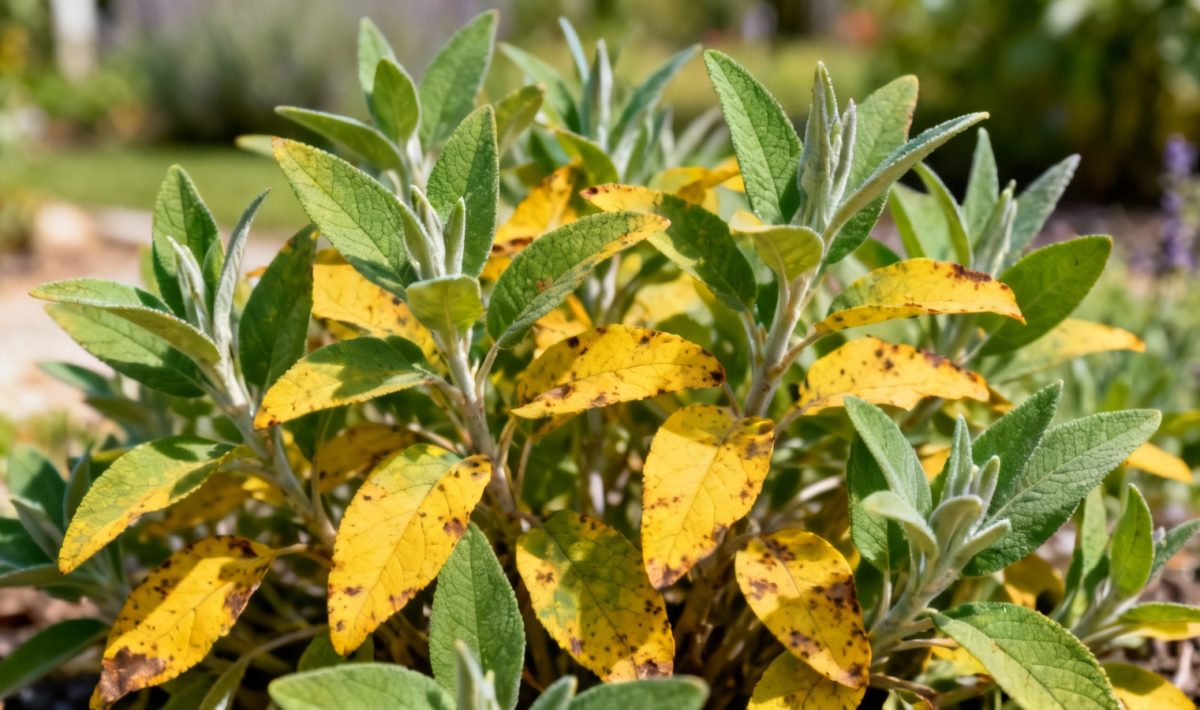
Why are my russian sage leaves turning yellow – causes and solutions
Noticing yellow leaves on your russian sage can be quite concerning, especially when this hardy perennial is usually so resilient. The good news is that yellowing leaves are often a sign that your plant is trying to tell you something specific about its growing conditions. Understanding these signals will help you address the issue and restore your russian sage to its vibrant, silvery-green glory.
Russian sage (Perovskia atriplicifolia) is typically a low-maintenance plant, but like all living things, it has specific needs that must be met for optimal health. When these needs aren’t fulfilled, yellowing leaves are often the first visible symptom. Let’s explore the most common reasons why this happens and what you can do about it.
The most frequent culprit behind yellow russian sage leaves is improper watering. This plant is naturally drought-tolerant, which means it actually prefers less water than more. However, finding the right balance can be tricky, especially for new gardeners.
Overwatering is particularly problematic because russian sage thrives in well-draining soil conditions. When the roots sit in waterlogged soil, they can’t access the oxygen they need, leading to root rot and subsequent yellowing of the foliage. You’ll notice that leaves turn yellow from the bottom up, often becoming soft and mushy to the touch.
✅ Quick Checklist
Is the soil too wet or too dry?
Is the plant getting 6+ hours of sunlight daily?
Have you fertilized in the last 2 months?
Are there visible pests under the leaves?
Does the pot have adequate drainage?
🔥 FREE
📱
Diagnose your plant in one click!
AI instant diagnosis • Personalized solutions • 50,000+ species
On the flip side, severe drought stress can also cause yellowing, though this is less common with russian sage. When the plant doesn’t receive enough water for extended periods, it will start dropping older leaves to conserve energy for new growth. The key difference is that drought-stressed leaves typically become crispy and brown at the edges before turning completely yellow.
Improving drainage and watering practices
To address watering-related yellowing, start by examining your soil drainage. Stick your finger about two inches into the soil near the plant base. If it feels soggy or stays wet for more than a day after watering, you need to improve drainage. Adding coarse sand, perlite, or small gravel to heavy clay soils can make a significant difference.
For container-grown russian sage, ensure your pots have adequate drainage holes. Water should flow freely through the bottom within minutes of watering. If you notice water pooling on the surface or draining slowly, it’s time to repot with a better-draining soil mix.
Nutritional deficiencies and soil health
Poor soil nutrition can contribute to yellowing leaves, though russian sage is generally not a heavy feeder. Nitrogen deficiency is the most common nutritional cause, typically showing up as yellowing that starts with older, lower leaves and gradually moves upward through the plant.
Unlike other plants that might need regular fertilizing, russian sage actually prefers lean, well-draining soil similar to its native habitat. Over-fertilizing, particularly with nitrogen-rich fertilizers, can cause more problems than it solves. Too much nitrogen encourages excessive leaf growth at the expense of the plant’s natural structure and drought tolerance.
Other nutrient deficiencies are less common but can occur in poor soils. Iron deficiency causes yellowing between leaf veins while the veins themselves remain green, creating a distinctive pattern. This often happens in alkaline soils where iron becomes less available to the plant roots.
Addressing soil and nutrition issues
Before adding any fertilizer, test your soil pH. Russian sage grows best in slightly alkaline to neutral soil (pH 6.5-7.5). If your soil is too acidic, adding lime can help improve nutrient availability. Conversely, if it’s too alkaline, sulfur amendments can lower the pH gradually.
For established plants showing signs of nutrient deficiency, a light application of balanced, slow-release fertilizer in early spring is usually sufficient. Avoid high-nitrogen fertilizers and never fertilize during drought conditions or when the plant is stressed.
Environmental stress factors
Russian sage is remarkably adaptable, but sudden changes in growing conditions can trigger leaf yellowing. Temperature fluctuations, particularly unseasonably cool weather after warm spells, can stress the plant and cause temporary yellowing of foliage.
Insufficient sunlight is another common environmental factor. Russian sage needs at least six hours of direct sunlight daily to maintain its health and characteristic silvery foliage color. Plants grown in too much shade often develop weak, spindly growth with yellowish leaves that lack the plant’s typical robust appearance.
Similarly, many gardeners don’t realize that other plant issues can provide insights into care techniques. For instance, examining causes of yellowing woodland sage leaves can reveal patterns that apply to various sage species, including russian sage.
Wind exposure can also contribute to stress, especially in newly planted specimens. Strong, constant winds can cause moisture loss faster than the roots can replace it, leading to yellowing and eventual leaf drop. Young plants are particularly vulnerable during their first growing season.
Pest and disease considerations
While russian sage is generally pest-resistant, certain insects and diseases can cause yellowing leaves. Spider mites are the most common pest problem, especially during hot, dry weather. These tiny pests feed on leaf undersides, causing stippling that eventually leads to yellowing and bronzing of the foliage.
Aphids occasionally attack new growth, particularly during cool, wet spring weather. Heavy infestations can weaken the plant and cause yellowing of affected leaves. Look for clusters of small, soft-bodied insects on stem tips and leaf undersides.
Fungal diseases are less common but can occur in poorly ventilated areas or during prolonged wet weather. Root rot, caused by various soil-borne fungi, typically manifests as yellowing that progresses from the bottom of the plant upward. This pattern is similar to what you might observe when researching understanding yellowing papaya leaves causes , where fungal issues also play a significant role.
Powdery mildew can also affect russian sage in humid conditions, causing leaves to develop a white, powdery coating before turning yellow and dropping. Good air circulation and avoiding overhead watering help prevent this issue.
✅ Quick Checklist
Is the soil too wet or too dry?
Is the plant getting 6+ hours of sunlight daily?
Have you fertilized in the last 2 months?
Are there visible pests under the leaves?
Does the pot have adequate drainage?
🔥 FREE
📱
Diagnose your plant in one click!
AI instant diagnosis • Personalized solutions • 50,000+ species
Sometimes, yellowing leaves are simply part of the plant’s natural life cycle. Russian sage is a deciduous perennial, meaning it naturally drops its leaves in fall as it prepares for dormancy. This process typically begins in late summer or early fall, with lower leaves turning yellow first.
Additionally, older leaves naturally yellow and drop throughout the growing season as the plant directs energy toward new growth. This is completely normal and shouldn’t cause concern unless it’s happening rapidly or affecting a large portion of the plant.
Prevention and maintenance strategies
Preventing yellow leaves starts with proper site selection and establishment. Choose a location that receives full sun and has well-draining soil. If your native soil is heavy clay, consider creating raised beds or mounded planting areas to improve drainage around the root zone.
Regular observation is key to catching problems early. Check your plants weekly during the growing season, looking for changes in leaf color, signs of pest activity, or other stress indicators. Early detection makes treatment much more effective and less disruptive to the plant.
Proper spacing also helps prevent many issues. Russian sage needs good air circulation to stay healthy, so avoid crowding it with other plants. Allow at least three feet between plants to ensure adequate airflow and reduce competition for resources.
When yellowing does occur, start by identifying the most likely cause based on the pattern and timing. Bottom-up yellowing usually indicates water or nutrient issues, while random yellowing throughout the plant often suggests environmental stress or pest problems.
Recovery and long-term care
Once you’ve addressed the underlying cause of yellowing, be patient with recovery. Russian sage is resilient, but it may take several weeks to show improvement. Remove any severely damaged or dead foliage to help the plant focus energy on healthy growth.
For future prevention, establish a routine that includes proper watering practices, annual soil testing, and regular inspection for pest activity. Remember that russian sage thrives with minimal intervention once established, so resist the urge to over-care for your plants.
With proper diagnosis and appropriate care adjustments, most cases of yellowing leaves can be resolved, and your russian sage should return to its characteristic healthy appearance. The key is understanding what your plant needs and providing those conditions consistently while avoiding common mistakes like overwatering or over-fertilizing that can create new problems.
Allan is a lifelong gardening enthusiast who still gets excited when the first seedlings pop up in spring. With a deep love for nature and a hands-in-the-soil approach, he shares practical tips, plant discoveries, and clever tricks picked up over years of digging, planting, and observing. Whether you’re a new gardener or have a shed full of tools, Allan writes like a neighbor who’s always happy to swap cuttings and stories over the fence.
You can find more about Allan’s work on Malt or connect with him on LinkedIn.