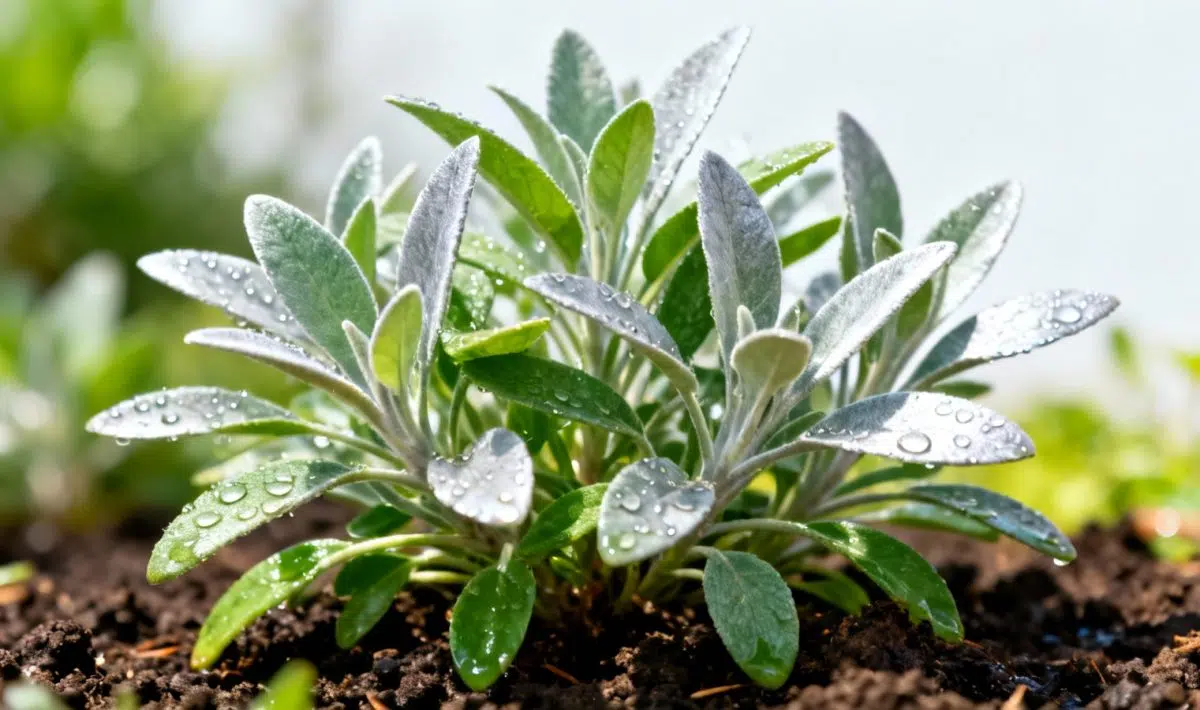
Russian sage, scientifically known as Perovskia, stands out as one of the most drought-tolerant plants you can add to your garden. This hardy perennial requires minimal water once established, making it perfect for low-maintenance gardens. Understanding how often should you water your Russian sage depends primarily on whether your plant is newly planted or well-established in your garden beds.
For newly planted Russian sage, you’ll need to provide regular moisture during the first growing season to help establish strong roots. However, mature plants typically thrive with minimal supplemental watering, relying mainly on natural rainfall. The key lies in recognizing that this beautiful flowering plant actually suffers more from overwatering than from drought conditions.
Watering frequency for different seasons
During the spring and summer growing season, newly planted Russian sage benefits from weekly watering sessions. Apply water deeply but infrequently, allowing the soil to dry between waterings. This approach encourages the plant to develop deep, robust root systems that will serve it well during hot summer months.
In fall and winter, reduce watering significantly as the plant enters dormancy. Established Russian sage plants typically require no supplemental water during these cooler months, as they’re naturally adapted to survive with minimal moisture. However, if you’re growing your plants in containers, you may need to provide occasional water during extended dry periods, similar to how you might approach watering your sycamore tree effectively during dormant seasons.
First year establishment guidelines
During the first growing season, water your Russian sage once weekly during dry spells. Provide approximately one inch of water, ensuring it penetrates deep into the soil rather than staying on the surface. This deep watering technique helps establish strong root growth that will make your plant more drought-tolerant in subsequent years.
Keep moisture levels consistent but never waterlogged, as Russian sage is particularly susceptible to root rot in soggy conditions. Well-draining soil is essential for success, just as it is when determining the ideal watering for your Chinese money plant or other moisture-sensitive plants.
Soil requirements and drainage considerations
The type of soil you plant your Russian sage in dramatically affects your watering schedule. These plants thrive in well-draining soil with good air circulation around the roots. Heavy clay soils that retain moisture can quickly lead to root problems, while sandy or rocky soils provide the perfect growing conditions.
When planting Russian sage, consider amending heavy soils with compost or sand to improve drainage. The ideal soil should feel slightly dry to the touch between waterings, never soggy or waterlogged. This mirrors the natural growing conditions these hardy plants experience in their native habitats.
Container growing water needs
Russian sage grown in containers requires more frequent attention than garden-planted specimens. During summer months, check soil moisture weekly and water when the top inch of soil feels dry. Container plants dry out faster than those in garden beds, especially during hot weather.
Provide drainage holes in all containers and use a well-draining potting mix to prevent water accumulation. Just as you would monitor caring for your smoketree’s water needs in containers, Russian sage requires careful balance between adequate moisture and good drainage.
Recognizing proper watering techniques
When you water Russian sage, focus on deep, infrequent applications rather than frequent light sprinkling. Water early morning to allow plants to absorb moisture before the heat of the day. This timing also reduces evaporation and helps prevent fungal issues that can develop with evening watering.
Apply water directly to the soil around the base of the plant, avoiding wetting the foliage unnecessarily. Use a soaker hose or drip irrigation system for the most efficient water delivery, ensuring moisture reaches the root zone where it’s needed most.
Signs of proper hydration
Well-hydrated Russian sage displays strong, upright growth with vibrant color in its silvery foliage. The flowers should appear abundant and maintain their beautiful purple-blue hues throughout the flowering season. Healthy plants will show steady growth during spring and maintain their structural integrity through summer heat.
Monitor your plants regularly for signs they’re receiving adequate moisture without being overwatered. This attention to detail is similar to what’s required for optimal watering for wintercreeper health, where balance is crucial for plant success.
Avoiding overwatering problems
Overwatering poses the greatest threat to Russian sage health, often causing more damage than drought conditions. Signs of excessive moisture include yellowing leaves, soft or mushy stems, and poor flowering. Root rot can develop quickly in waterlogged conditions, potentially killing your plants.
If you notice these symptoms, immediately reduce watering frequency and improve soil drainage around your plants. Allow the soil to dry completely before providing any additional water, and consider adding organic matter or sand to improve soil structure for future growing seasons.
Seasonal watering adjustments
Adjust your watering schedule based on natural rainfall and temperature conditions. During rainy periods, you may not need to provide any supplemental water for weeks at a time. Conversely, during extended hot, dry spells, even established plants may benefit from occasional deep watering.
Keep track of precipitation levels in your area and reduce artificial watering accordingly. This approach helps maintain the natural drought tolerance these plants have evolved to possess while ensuring they receive adequate moisture during truly stressful conditions.
Creating the perfect growing environment
Beyond proper watering, Russian sage thrives in full sun locations with good air circulation. Plant them in areas that receive at least six hours of direct sunlight daily for optimal growth and flowering. These conditions naturally reduce moisture retention around the plants, supporting their preference for drier growing conditions.
Space plants appropriately to allow air movement between them, which helps prevent moisture-related diseases. This spacing also ensures each plant receives adequate light and reduces competition for soil moisture, making your watering efforts more effective overall.
Allan is a lifelong gardening enthusiast who still gets excited when the first seedlings pop up in spring. With a deep love for nature and a hands-in-the-soil approach, he shares practical tips, plant discoveries, and clever tricks picked up over years of digging, planting, and observing. Whether you’re a new gardener or have a shed full of tools, Allan writes like a neighbor who’s always happy to swap cuttings and stories over the fence.
You can find more about Allan’s work on Malt or connect with him on LinkedIn.