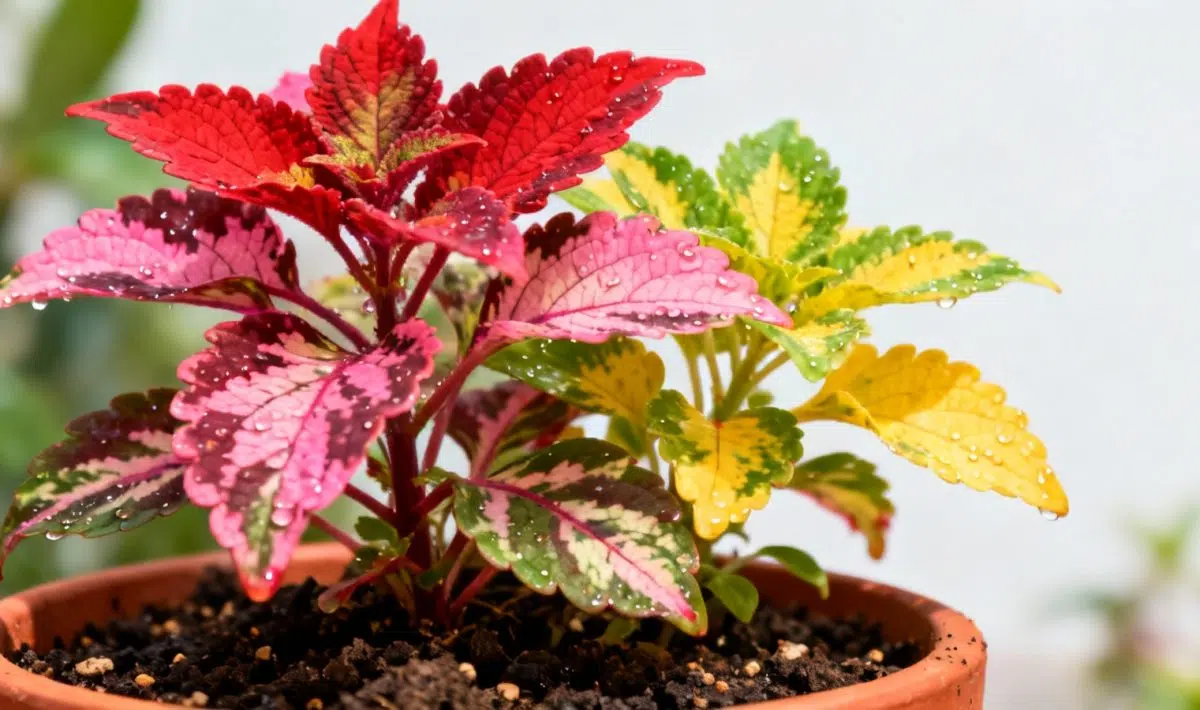
Understanding Common Coleus and Its Spectacular Features
Common coleus (Coleus scutellarioides) stands out as one of the most vibrant ornamental plants you can grow. This tropical beauty captivates gardeners with its stunning foliage that ranges from deep burgundy to bright green, often with contrasting edges and patterns. Originally from Southeast Asia, this remarkable plant has become a garden favorite worldwide for its adaptability and striking appearance.
The beauty of coleus lies primarily in its leaves rather than its flowers. These plants produce incredible foliage variations that can transform any garden space into a colorful masterpiece. From rose-tinted varieties to bold green specimens, each cultivar offers unique characteristics that make them perfect for both indoor and outdoor cultivation.
What makes coleus particularly appealing is its versatility in different growing conditions. Whether you’re planning container gardens, border plantings, or indoor displays, this adaptable plant delivers consistent results with proper care.
Essential Care Requirements for Thriving Coleus Plants
Successful coleus cultivation starts with understanding their fundamental needs. These plants thrive in temperatures between 15-24°C and require protection from frost, as they cannot survive temperatures below 10°C. During spring and throughout the growing season, maintaining consistent warmth becomes crucial for healthy development.
Light requirements vary depending on the variety, but most coleus plants prefer bright, indirect light. Too much direct sunlight can fade their vibrant colors, while insufficient light may cause leggy growth. For indoor cultivation, placing them near east or west-facing windows typically provides ideal conditions.
Proper watering techniques ensure healthy root systems and prevent common problems. Keep the soil consistently moist but never waterlogged, as excessive moisture can lead to root rot. During hot periods, daily watering may be necessary, while cooler weather requires less frequent irrigation.
Soil and Nutrition Needs
These versatile plants adapt to various soil types, from clay to sandy conditions, but they perform best in well-draining, fertile soil. A slightly acidic to neutral pH range supports optimal growth and nutrient uptake. Regular feeding during the growing season promotes lush foliage development and maintains vibrant colors.
Consider adding organic matter to improve soil structure and water retention. Compost or well-aged manure enriches the growing medium and provides slow-release nutrients that support sustained growth throughout the season.
Cultivation Techniques and Best Practices
Starting coleus plants successfully requires attention to timing and technique. Whether growing from seeds or cuttings, beginning the process in early spring gives plants adequate time to establish before outdoor planting. Indoor propagation allows for better control of environmental conditions during the critical early stages.
When transplanting, choose locations that offer protection from harsh winds and extreme temperature fluctuations. Container cultivation provides flexibility to move plants as conditions change, making it an excellent option for gardeners in variable climates.
Regular maintenance includes pinching growing tips to encourage bushier growth and removing flower spikes to direct energy into foliage production. This practice helps maintain the compact, dense appearance that makes coleus so attractive in garden displays.
Managing Growth and Shape
Proper pruning techniques maintain plant vigor and attractive form. Remove any damaged or diseased leaves promptly to prevent problems from spreading. Pinching back stems every few weeks encourages lateral branching and creates fuller, more attractive plants.
During peak growing periods, these fast-growing plants may require weekly attention to maintain their desired shape. Just as important care advice for yarrow emphasizes regular maintenance, coleus benefits from consistent grooming throughout the growing season.
Propagation Methods and Techniques
Propagating coleus offers multiple approaches, each with distinct advantages. Stem cuttings provide the quickest method for producing new plants that maintain the parent’s exact characteristics. Take 4-6 inch cuttings from healthy stems, remove lower leaves, and place them in water or moist potting mix.
Seed propagation allows for exploring new varieties and creates opportunities to grow unique color combinations. Start seeds indoors 10-12 weeks before the last expected frost. Maintain consistent moisture and temperatures around 20-22°C for optimal germination, which typically occurs within 1-2 weeks.
Division works well for established plants that have developed multiple growing points. This method works particularly well for perennial varieties grown in protected environments or tropical climates where they persist year-round.
Timing and Success Factors
The best time for propagation varies by method and local climate conditions. Spring propagation takes advantage of increasing daylight and warming temperatures that promote rapid root development. Summer cuttings can also succeed but may require more careful attention to moisture and heat stress.
Creating optimal conditions for young plants involves providing consistent humidity, gentle warmth, and bright but filtered light. Similar to how essential tips for growing comfrey emphasizes proper establishment conditions, newly propagated coleus needs careful attention during the first few weeks.
Variety Selection and Garden Integration
Choosing appropriate varieties depends on your specific garden conditions and design goals. Compact varieties work well in containers and small spaces, while larger cultivars create dramatic focal points in garden beds. Color selection should complement existing plants and overall garden themes.
Popular rose-colored varieties add warm tones to garden compositions and pair beautifully with complementary plants. Green-leaved types provide excellent backdrop plants and work well in shadier locations where their subtle beauty can be appreciated.
Consider seasonal changes when planning coleus displays. While these plants don’t produce significant flowers like traditional ornamentals, their foliage provides consistent color throughout the growing season. This reliability makes them valuable components in mixed plantings and seasonal container arrangements.
Companion Planting Strategies
Successful companion planting enhances both the coleus display and overall garden health. Plants with similar water and light requirements create harmonious growing conditions. Consider pairing coleus with other tropical plants that share similar environmental needs.
Avoid placing coleus near plants that require drastically different care regimes. Much like how guidelines for caring for persimmons requires specific environmental considerations, coleus performs best when grouped with compatible species that share similar growing requirements.
Problem Prevention and Solutions
Common issues with coleus typically relate to environmental stress or improper care practices. Wilting often indicates watering problems, either too much or too little moisture. Fading colors usually result from excessive direct sunlight or nutrient deficiencies.
Pest problems occasionally affect coleus plants, particularly aphids and spider mites in dry conditions. Regular inspection allows for early detection and treatment before problems become severe. Natural predators often provide adequate control in balanced garden ecosystems.
Disease prevention focuses on proper cultural practices rather than treatment. Good air circulation, appropriate watering techniques, and avoiding overcrowding significantly reduce disease pressure. When problems do occur, prompt removal of affected plant parts prevents spread to healthy tissue.
Seasonal Care Adjustments
Adapting care practices to seasonal changes ensures continuous success with coleus cultivation. Summer care emphasizes adequate moisture and protection from extreme heat, while autumn preparation involves either taking cuttings for overwintering or planning for annual replacement.
Winter care for indoor plants requires adjusting watering frequency and providing adequate light. Just as effective methods for garlic mustard care addresses seasonal considerations, coleus needs modified care approaches as conditions change throughout the year.
Understanding these seasonal patterns helps gardeners provide consistent care that maintains plant health and appearance. Regular monitoring and adjustment of care practices ensures optimal results regardless of changing environmental conditions, much like the attention required for best practices for Japanese pieris cultivation throughout different seasons.
Allan is a lifelong gardening enthusiast who still gets excited when the first seedlings pop up in spring. With a deep love for nature and a hands-in-the-soil approach, he shares practical tips, plant discoveries, and clever tricks picked up over years of digging, planting, and observing. Whether you’re a new gardener or have a shed full of tools, Allan writes like a neighbor who’s always happy to swap cuttings and stories over the fence.
You can find more about Allan’s work on Malt or connect with him on LinkedIn.