
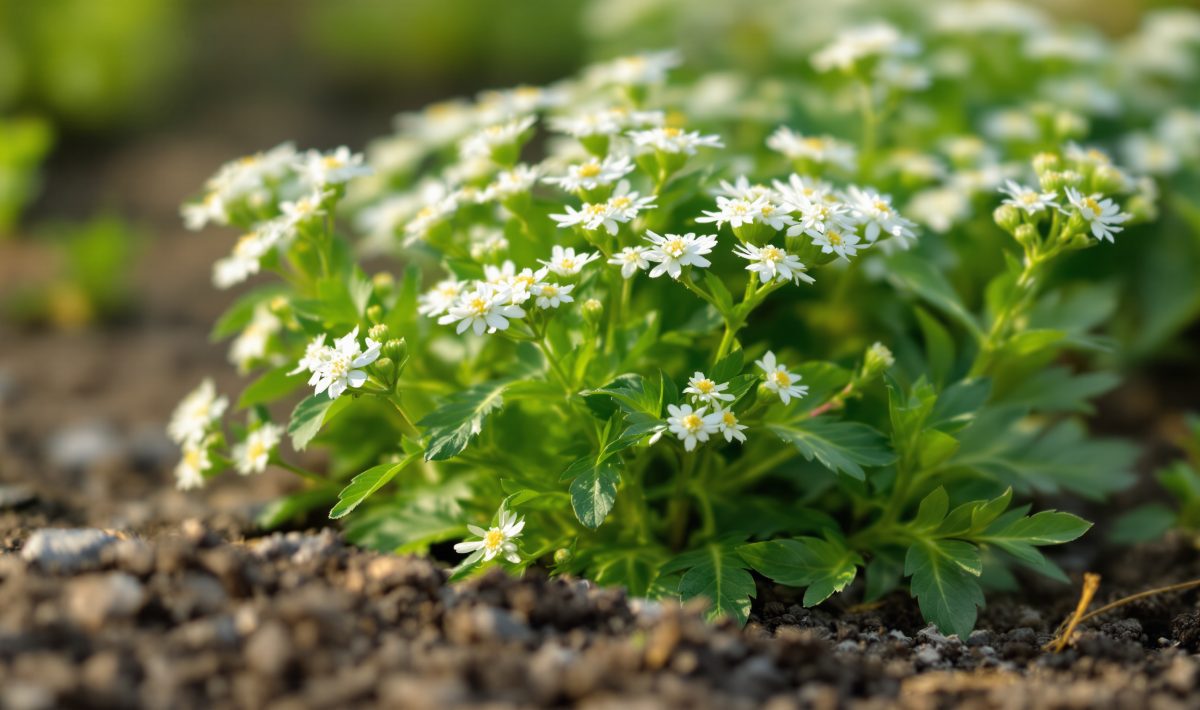
Understanding common yarrow – achillea millefolium
Common yarrow (Achillea millefolium) stands as one of nature’s most resilient and versatile plants. This hardy perennial from the Asteraceae family has captured gardeners’ hearts with its delicate feathery foliage and charming flat-topped flower clusters. Native to temperate regions of the Northern Hemisphere, this remarkable herb brings both beauty and practicality to any garden space.
The plant’s distinctive characteristics make it instantly recognizable. Its finely divided, fern-like leaves release a pleasant aromatic fragrance when crushed, while the small white or yellow flowers form dense, umbrella-shaped clusters called corymbes. These blooms attract beneficial insects like butterflies and bees, making yarrow an excellent choice for pollinator gardens.
What truly sets common yarrow apart is its incredible adaptability. This tough plant thrives in poor soils where many others would struggle, tolerating drought, heat, and even light foot traffic. Its spreading nature through underground rhizomes helps it form attractive ground-covering colonies, though gardeners should monitor its enthusiastic growth to prevent it from overwhelming neighboring plants.
Botanical characteristics and varieties
Achillea millefolium typically reaches heights of 2 to 4 feet (60-120 cm) with a similar spread, creating substantial clumps over time. The genus Achillea encompasses numerous species, but millefolium remains the most widely cultivated and recognized variety. Its scientific name reflects the plant’s most distinctive feature – “millefolium” literally means “thousand leaves,” referring to its finely cut foliage.
The plant’s tiges (stems) are sturdy and upright, supporting the weight of the flower heads throughout the growing season. These stems emerge from a network of underground racines (roots) and rhizomes that allow the plant to spread and establish new colonies. The essential oil content in both leaves and flowers contributes to the plant’s medicinal properties and distinctive scent.
Different cultivars offer variations in flower color, from the classic white of the wild species to soft yellows, pinks, and even deep reds. Each variety maintains the characteristic flat-topped flower clusters and feathery foliage that make yarrow so appealing in naturalistic plantings. Much like care tips for common lantana plants, understanding these botanical differences helps gardeners select the best varieties for their specific needs.
Cultivation requirements and soil preparation
Success with common yarrow begins with understanding its simple yet specific growing requirements. This adaptable plant thrives in well-draining soil conditions, preferring sandy or loamy textures over heavy clay. The key to healthy yarrow lies not in rich, fertile ground, but rather in providing adequate drainage and avoiding overly moist conditions.
Soil preparation should focus on improving drainage rather than adding excessive nutrients. Work coarse sand or small gravel into heavy soils to create the free-draining environment yarrow prefers. The plant tolerates a wide pH range from slightly acidic to alkaline conditions, making it suitable for most garden situations without special soil amendments.
When selecting a planting location, choose areas that receive full sun to partial shade. While yarrow tolerates some shade, it produces the best flowering and maintains compact growth in sunny positions. The plant’s drought tolerance makes it ideal for xerophytic gardens or areas where regular watering proves challenging.
Unlike more demanding perennials such as hollyhock care and propagation advice, yarrow requires minimal soil preparation and thrives in conditions that might stress other garden plants.
Planting and propagation methods
Common yarrow offers several straightforward propagation options, making it easy for gardeners to establish new plants or expand existing colonies. Seeds provide the most economical method, though division of established clumps offers faster results and ensures identical characteristics to the parent plant.
For seed propagation, start graines either indoors 6-8 weeks before the last frost or directly sow in the garden during spring or fall. The tiny seeds require light for germination, so barely cover them with fine soil or simply press them into the surface. Maintain consistent moisture during the germination period, which typically takes 10-14 days under optimal conditions.
Division works best in early spring or fall when plants are not actively flowering. Dig up established clumps and carefully separate the root systems, ensuring each division has both roots and growing shoots. These divisions establish quickly when planted in prepared soil and watered regularly during their first few weeks.
Spacing new plants 12-18 inches apart allows room for natural spreading while preventing overcrowding. The vigorous growth habit means that widely spaced plants will fill in gaps within a growing season or two, creating the dense coverage that makes yarrow so valuable in landscape applications.
Care and maintenance practices
Once established, common yarrow requires remarkably little ongoing care, making it a favorite among busy gardeners and those seeking low-maintenance landscapes. Regular watering during the first growing season helps new plants establish strong root systems, but mature yarrow tolerates extended dry periods without supplemental irrigation.
Deadheading spent flowers encourages continued blooming throughout the growing season and prevents excessive self-seeding. While yarrow’s naturalistic appearance suits informal gardens, removing faded blooms keeps plantings looking tidy and directs the plant’s energy into producing new flowers rather than seeds.
In early spring, cut back the previous year’s growth to ground level to make room for fresh shoots. This annual cleanup also helps prevent the accumulation of dead plant material that might harbor pests or diseases. The timing of this pruning varies by climate, but generally coincides with the emergence of new growth at the base of the plant.
Fertilizing yarrow requires a light touch, as excessive nutrients can lead to weak, floppy growth and reduced flowering. A light application of compost or balanced, slow-release fertilizer in spring provides sufficient nutrition for healthy growth without overwhelming the plant’s natural vigor.
Managing growth and preventing invasiveness
While yarrow’s spreading habit creates attractive ground coverage, it requires thoughtful management to prevent it from overwhelming neighboring plants. The plant’s aggressive rhizome system can quickly colonize available space, sometimes at the expense of less vigorous companions.
Regular division every 2-3 years helps control spread while rejuvenating older clumps that may become less floriferous over time. Dig up sections of the colony and either relocate them to new areas or share them with fellow gardeners. This practice maintains healthy, vigorous growth while keeping the plant within its designated space.
Installing physical barriers such as buried edging can help contain yarrow’s spread in formal garden settings. Root barriers should extend at least 6 inches deep to effectively block the underground rhizomes from wandering into unwanted areas.
In naturalistic settings where controlled spreading is desired, yarrow works well alongside other vigorous perennials that can hold their own against its expansive nature. Consider pairing it with plants like growing tips for common buckthorn or other hardy species that complement its growth habits.
Harvesting and utilizing yarrow
Common yarrow’s usefulness extends beyond ornamental value, with both flowers and foliage offering practical applications. The plant’s essential oil content and traditional medicinal properties make it valuable for herbal preparations, while its long-lasting flowers work beautifully in fresh and dried arrangements.
Harvest flowers for drying when they reach full bloom but before they begin to fade. Cut stems in the morning after dew has evaporated but before the heat of the day. The acide content in the plant material helps preserve color and fragrance when properly dried in a cool, well-ventilated area.
For herbal use, collect both flowers and leaves throughout the growing season. The plant’s properties remain potent whether used fresh or dried, though proper storage in airtight containers preserves quality longer. Always research proper usage and consult qualified practitioners before using yarrow for medicinal purposes.
The plant’s natural pest-deterrent properties make it useful as a companion plant in vegetable gardens. Its strong scent and chemical compounds can help repel certain insects while attracting beneficial predators that control garden pests naturally.
Troubleshooting common issues
Despite its reputation for toughness, common yarrow can occasionally face challenges that affect its appearance and performance. Most problems stem from environmental stresses or inappropriate growing conditions rather than serious diseases or pest infestations.
Excessive moisture often causes the most significant issues, leading to root rot or fungal problems. Ensure adequate drainage and avoid overwatering, particularly during humid summer months. If plants show signs of stress in heavy soils, consider relocating them to raised beds or areas with better drainage.
Aphids may occasionally cluster on tender new growth, but these infestations rarely cause lasting damage to established plants. Natural predators usually control these pests without intervention, though serious infestations can be addressed with insecticidal soap or simply washed away with a strong spray of water.
In overly rich soils, yarrow may develop weak, floppy growth that requires staking or support. This condition indicates excessive nitrogen levels and usually resolves itself as the plant matures and soil nutrients balance naturally. Unlike more delicate plants such as how to care for golden pothos, yarrow’s robust constitution helps it recover quickly from most environmental stresses.
Winter protection is rarely necessary except in the coldest regions, where a light mulch covering can help prevent frost heaving of shallow-rooted divisions. Remove this protection in early spring to allow new growth to emerge freely.

Allan is a lifelong gardening enthusiast who still gets excited when the first seedlings pop up in spring. With a deep love for nature and a hands-in-the-soil approach, he shares practical tips, plant discoveries, and clever tricks picked up over years of digging, planting, and observing. Whether you’re a new gardener or have a shed full of tools, Allan writes like a neighbor who’s always happy to swap cuttings and stories over the fence.
You can find more about Allan’s work on Malt or connect with him on LinkedIn.


