
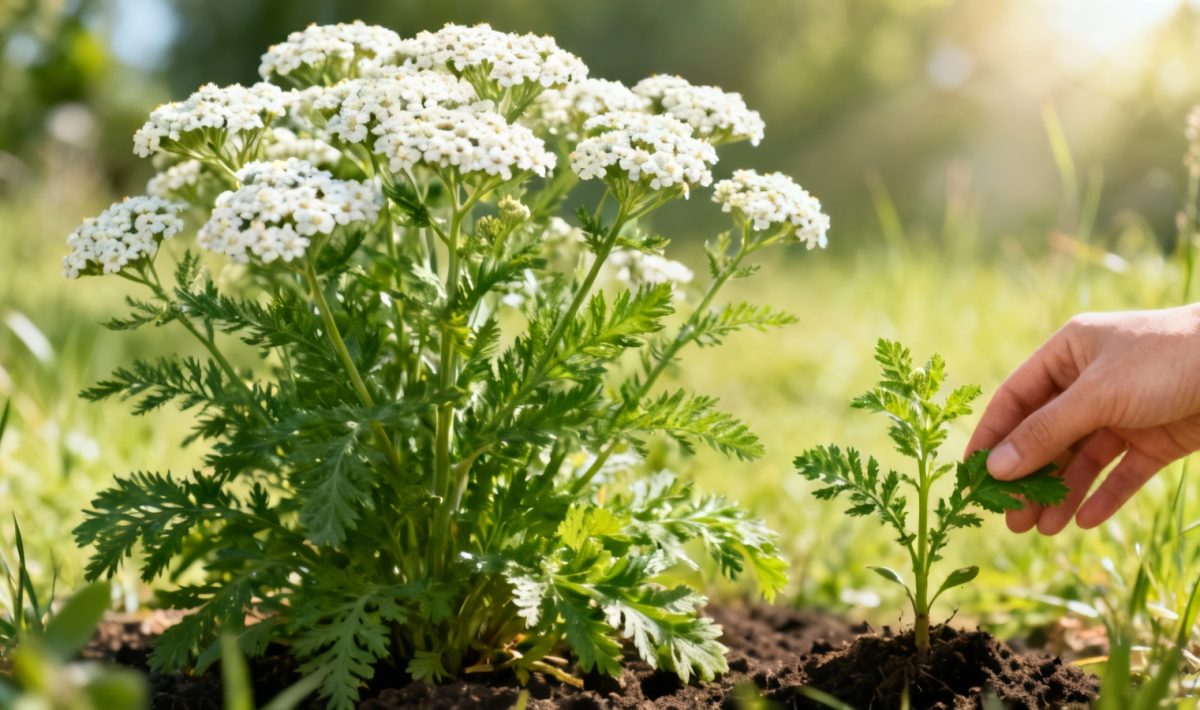
Today I’m excited to share with you everything you need to know about one of nature’s most versatile plants: common yarrow, scientifically known as Achillea millefolium. This remarkable perennial has been winning hearts in gardens worldwide for its incredible resilience, beautiful flowers, and impressive medicinal properties.
Whether you’re a seasoned gardener or just starting out, yarrow deserves a special place in your garden. Its feathery foliage and charming flower clusters make it a standout ornamental plant, while its hardy nature means it’ll thrive even when other plants struggle.
Understanding common yarrow’s botanical characteristics
Achillea millefolium belongs to the Asteraceae family and stands out as one of the most adaptable herbaceous perennials you’ll encounter. This amazing plant typically reaches heights of 60 to 120 cm, creating impressive clumps that spread 60 to 90 cm wide through its rhizomatous root system.
The most striking feature of this species is undoubtedly its finely divided foliage. The leaves are so intricately cut that they appear almost feathery, which explains the name ‘millefolium’ meaning ‘thousand leaves.’ This delicate feuillage releases a distinctive aromatic scent when crushed, making it easy to identify in the wild.
From June through September, yarrow produces flat-topped flower clusters called corymbs. While the wild type typically displays creamy white flowers, modern cultivars offer an impressive range of colors including yellow, pink, red, and apricot tones. These blooms are magnets for butterflies and beneficial insects, making yarrow an excellent choice for pollinator gardens.
Optimal growing conditions for yarrow cultivation
One of yarrow’s greatest assets is its incredible tolerance for challenging growing conditions. This resilient plant thrives in USDA hardiness zones 3-9, withstanding temperatures as low as -35°C. Such hardiness makes it suitable for gardens across a wide geographic range.
When it comes to sol requirements, yarrow actually prefers poor to moderately fertile, well-draining soils. Rich, heavy soils can cause the plant to become too lush and prone to flopping. Sandy or loamy soils work best, and the plant tolerates both slightly acidic and alkaline conditions.
Full sun exposure brings out the best in yarrow, though it can tolerate partial shade. However, plants grown in shadier locations may become leggy and produce fewer flowers. The beauty of this species lies in its drought tolerance once established – it requires minimal watering and actually performs better with some stress than with constant moisture.
Watering and maintenance essentials
During the first growing season, regular watering helps establish a strong root system. Once established, yarrow becomes remarkably drought-tolerant and rarely needs supplemental irrigation except during severe dry spells.
Overwatering is actually more harmful than underwatering for this plant. Excessive moisture can lead to root rot and fungal issues. Similar to care tips for common zinnia plants, proper drainage is crucial for healthy growth.
Propagation methods for expanding your yarrow collection
Yarrow offers several reliable propagation methods, making it easy to expand your collection or share with fellow gardeners. The most common approaches include seed propagation, division, and stem cuttings.
Seed propagation works well for species types, though cultivars may not come true from seed. Sow graines directly in the garden in early spring or start them indoors 8-10 weeks before the last frost. Seeds need light to germinate, so barely cover them with soil. Germination typically occurs within 14-21 days at temperatures around 18-21°C.
Division technique for mature plants
Division represents the most reliable method for propagating named cultivars. This technique also helps rejuvenate older clumps that may have begun to die out in the center. The best time for division is early spring or early fall when temperatures are moderate.
To divide yarrow, dig up the entire clump and use a sharp spade or knife to separate it into smaller sections. Each division should have both roots and shoots. Plant divisions immediately at the same depth they were previously growing, and water well until established.
Stem cuttings offer another option, particularly useful during the growing season. Take 4-6 inch cuttings from healthy, non-flowering shoots in early summer. Remove lower leaves and root in a well-draining potting mix, keeping the medium consistently moist but not waterlogged.
Medicinal properties and traditional uses
Beyond its ornamental value, Achillea millefolium has earned recognition as a valuable medicinal plant throughout history. Traditional herbalists have long valued its anti-inflammatory, antimicrobial, and wound-healing properties.
The essential oil derived from yarrow contains numerous beneficial compounds, including chamazulene and flavonoids. These substances contribute to its reputation in phytotherapie for treating minor cuts, bruises, and skin irritations. However, it’s important to consult healthcare professionals before using any herbal remedies.
Many gardeners appreciate that yarrow serves multiple purposes in the landscape while also providing material for traditional herbal preparations. Just as growing cherry plum trees successfully requires understanding their dual ornamental and fruit-bearing nature, yarrow cultivation benefits from recognizing its multiple applications.
Common challenges and solutions
While yarrow is generally trouble-free, a few issues occasionally arise. Aphids may appear on young growth, particularly during cool, moist spring weather. These pests can usually be managed with insecticidal soap or by encouraging beneficial insects that feed on aphids.
Powdery mildew sometimes affects plants in humid conditions or when air circulation is poor. Proper spacing between plants and avoiding overhead watering help prevent this fungal issue. If mildew does appear, remove affected foliage and improve air circulation around the plants.
In very fertile soils, yarrow may become too vigorous and require staking to prevent flopping. This problem is easily avoided by choosing appropriate planting sites with moderately fertile soil conditions.
Companion planting and garden design
Yarrow makes an excellent companion for many other perennials and works beautifully in both formal and naturalistic garden designs. Its upright form contrasts nicely with rounded plants like sedums or ornamental grasses.
In cottage gardens, yarrow pairs wonderfully with roses, lavender, and other Mediterranean herbs. For prairie-style plantings, combine it with native grasses and wildflowers. The plant also works well in cutting gardens, as the flowers hold up well in arrangements and the foliage adds textural interest.
Consider pairing yarrow with plants that have similar cultural requirements, such as tips for caring for American elder varieties that also appreciate well-draining conditions, or indoor care for Chinese money plant techniques when growing potted specimens.
Seasonal care and maintenance
Spring care involves cutting back any remaining stems from the previous year and dividing overcrowded clumps if needed. A light application of compost around the base provides gentle nutrition without over-feeding.
During summer, deadheading spent flowers encourages continued blooming and prevents excessive self-seeding. However, leaving some flower heads to set seed provides food for birds and allows for natural propagation if desired.
Fall cleanup can be minimal – many gardeners prefer to leave stems standing through winter for visual interest and wildlife habitat. The dried flower heads look particularly attractive when covered with frost or snow.
With proper care and suitable growing conditions, common yarrow will reward you with years of reliable performance, beautiful blooms, and the satisfaction of growing one of nature’s most versatile and historically significant plants. Its combination of ornamental value, ecological benefits, and traditional uses makes it a true garden treasure that deserves a place in every thoughtful landscape design.

Allan is a lifelong gardening enthusiast who still gets excited when the first seedlings pop up in spring. With a deep love for nature and a hands-in-the-soil approach, he shares practical tips, plant discoveries, and clever tricks picked up over years of digging, planting, and observing. Whether you’re a new gardener or have a shed full of tools, Allan writes like a neighbor who’s always happy to swap cuttings and stories over the fence.
You can find more about Allan’s work on Malt or connect with him on LinkedIn.


