
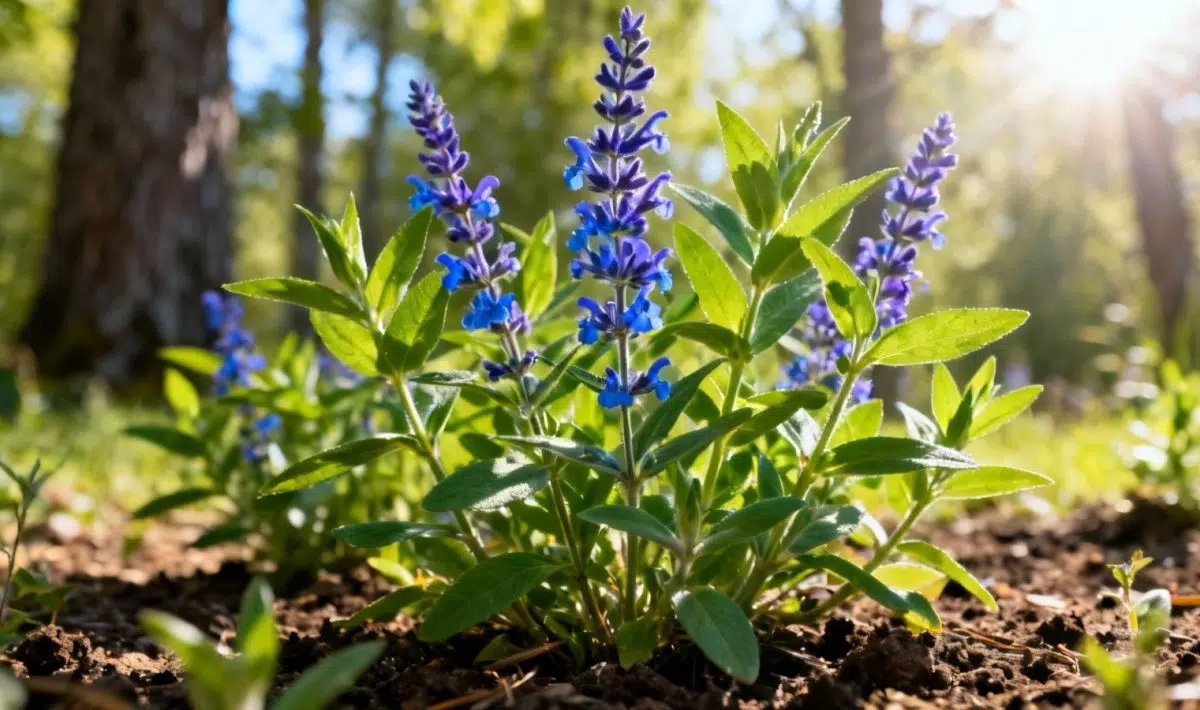
If you’re considering adding woodland sage (Salvia nemorosa) to your garden, understanding its sunlight requirements is absolutely crucial for success. This gorgeous perennial flower thrives with proper light exposure and rewards gardeners with stunning purple spikes that attract bees and butterflies throughout the growing season. Getting the lighting conditions right from the start makes all the difference in achieving those vibrant blooms you’re hoping for.
Understanding woodland sage sunlight requirements
Woodland sage performs best in full sun conditions, requiring at least 6 hours of direct sunlight daily for optimal flowering and growth. This hardy perennial originates from sunny meadows and woodland edges, which explains its preference for bright, well-lit locations. When planted in ideal conditions, you’ll notice more vigorous growth, denser foliage, and abundant flower spikes that last longer throughout the season.
However, this adaptable plant can tolerate partial shade with 4-6 hours of sunlight per day. While it will still grow in these conditions, you might notice fewer flowers and slightly taller, more stretched stems as the plant reaches for available light. Many experienced gardeners find that even in partial shade, woodland sage provides excellent value as a reliable bloomer and pollinator magnet.
Selecting quality seeds for your garden
When shopping for woodland sage seeds, quality should be your top priority over price alone. Look for sellers with positive evaluations from previous buyers, as these reviews often provide valuable insights about germination rates and plant vigor. Many online shops offer detailed descriptions of their seed varieties, making it easier to choose the right item for your specific garden conditions.
The best seed sellers typically provide clear information about planting depth, spacing, and expected bloom time. Just like understanding sunlight requirements for growing oregano helps with herb cultivation, knowing your woodland sage’s specific needs ensures better results. Check customer feedback about packaging quality and whether seeds arrived as described, since proper storage affects viability.
Planting tips for sun-loving woodland sage
Start by selecting a location that receives morning sunlight, as this helps dry dew from leaves and prevents fungal issues. The spot should get those crucial 6 hours of direct light, though afternoon shade during extreme heat can actually help maintain flower quality. Prepare the soil with good drainage, as woodland sage doesn’t tolerate wet feet even in ideal lighting conditions.
Plant your seeds in spring after the last frost date when soil temperatures reach around 60°F. Space them about 12-18 inches apart to allow for mature plant size, keeping in mind that adequate spacing also improves air circulation and light penetration. Water gently but consistently during the establishment period, adjusting your watering schedule based on sun exposure levels.
Seasonal care and maintenance
During the growing season, woodland sage planted in full sun will need more frequent watering than those in partial shade. The increased light exposure means faster moisture loss from both soil and plant leaves. However, this sun-loving plant is quite drought-tolerant once established, making it an excellent value for low-maintenance gardens.
Regular deadheading of spent flower spikes encourages continued blooming and keeps plants looking tidy. Similar to how different plants have varying needs – for instance, optimal sunlight for pineapple growth requires tropical conditions – woodland sage benefits from cutting back stems by about one-third in early summer to promote bushier growth and more flowers.
Maximizing bloom production with proper exposure
The key to spectacular woodland sage displays lies in providing consistent, adequate sunlight throughout the growing season. Plants receiving full sun typically produce 30-50% more flower spikes compared to those in partial shade. This increased flower production not only enhances your garden’s appearance but also provides more nectar sources for beneficial insects.
For gardeners dealing with hot summer climates, providing light afternoon shade can extend bloom periods without significantly reducing flower numbers. This approach works particularly well when combined with proper mulching and consistent moisture management. Understanding light requirements helps you make informed decisions about plant placement, just as knowing ideal sunlight conditions for watermelon guides vegetable garden planning.
Companion planting considerations
When planning your garden layout, consider companion plants with similar sunlight requirements to create cohesive, thriving plant communities. Woodland sage pairs beautifully with other sun-loving perennials that share its preference for well-drained soil and bright conditions. This strategic approach ensures all plants receive adequate light without creating unwanted competition.
Avoid planting woodland sage in the shadow of large shrubs or trees where it would struggle to reach its minimum light requirements. Instead, position it alongside herbs and flowers that appreciate similar conditions. For example, understanding growing spearmint in sunlight helps create complementary plantings that thrive together while supporting pollinators.
If your woodland sage isn’t flowering well, insufficient sunlight is often the culprit. Plants receiving less than 4 hours of direct sun daily typically show weak, spindly growth with few or no flower spikes. Moving the plant to a sunnier location or removing nearby shade-casting obstacles usually resolves this issue within one growing season.
Conversely, in extremely hot climates, excessive sun exposure can stress plants and reduce bloom quality. Signs include wilted flowers during the hottest part of the day or flowers that fade quickly. Some gardeners find success with temporary shade cloth during heat waves, maintaining that crucial balance between adequate light and plant comfort.
Creating bee and butterfly havens
Properly positioned woodland sage in full sun conditions becomes a magnet for beneficial insects throughout its extended blooming period. The abundant nectar production from well-lit plants supports local bee populations while adding dynamic movement to your garden as butterflies visit regularly. This ecological benefit makes woodland sage an excellent investment for environmentally conscious gardeners.
Consider creating dedicated pollinator zones by grouping sun-loving, nectar-rich plants together. This approach maximizes the ecological impact while simplifying garden maintenance since plants with similar light requirements often have comparable water and soil needs. Knowledge about various plants’ needs, such as sunlight needs for mock strawberries, helps create diverse yet harmonious plantings.
Long-term success strategies
Establishing woodland sage successfully requires patience and attention to its sunlight preferences from the very beginning. Young plants are particularly sensitive to light conditions, so ensuring proper placement during their first year sets the foundation for years of reliable blooming. Monitor growth patterns and adjust care routines based on your specific site conditions.
As your garden matures, be mindful of changing light patterns caused by growing trees or new structures. What starts as a perfect sunny spot might gradually become too shaded for optimal woodland sage performance. Understanding these dynamics, much like knowing sunlight exposure for Japanese maples for tree placement, helps maintain garden health over time.
With proper attention to sunlight requirements and quality seed selection, woodland sage becomes a dependable garden performer that provides beauty, supports local wildlife, and requires minimal maintenance once established. The investment in getting the lighting conditions right pays dividends in abundant blooms and satisfied pollinators for many growing seasons to come.

Allan is a lifelong gardening enthusiast who still gets excited when the first seedlings pop up in spring. With a deep love for nature and a hands-in-the-soil approach, he shares practical tips, plant discoveries, and clever tricks picked up over years of digging, planting, and observing. Whether you’re a new gardener or have a shed full of tools, Allan writes like a neighbor who’s always happy to swap cuttings and stories over the fence.
You can find more about Allan’s work on Malt or connect with him on LinkedIn.


