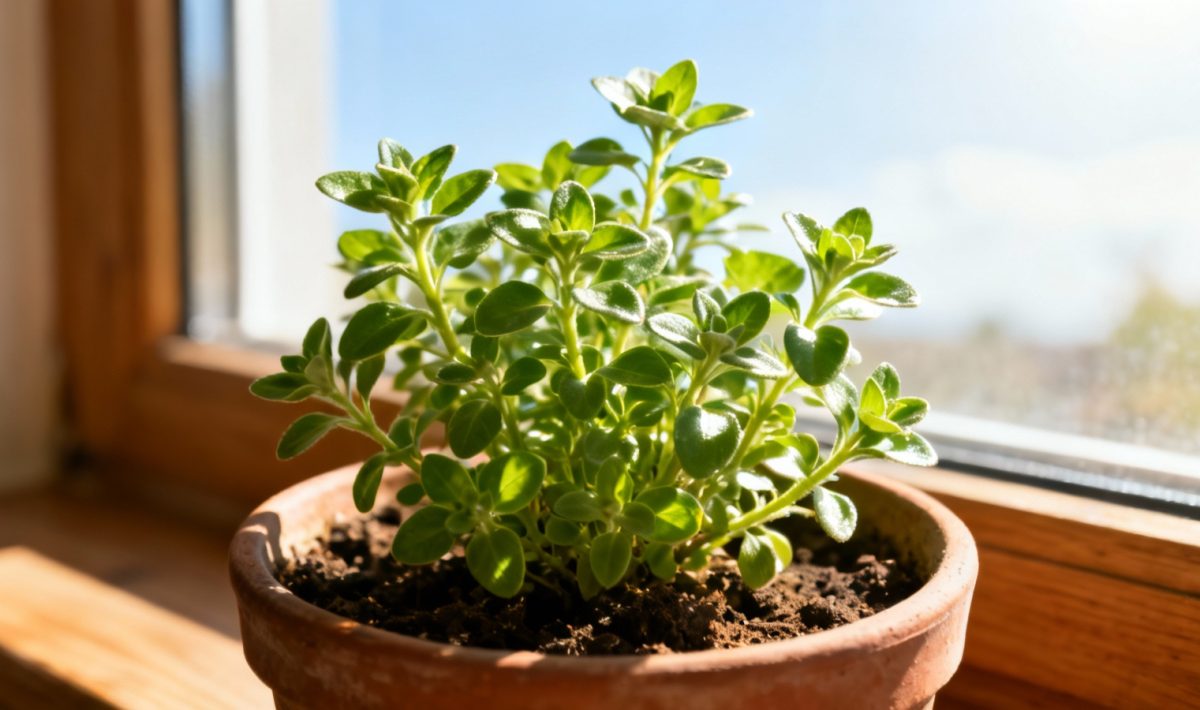
How much sunlight does oregano need for successful cultivation
Growing oregano successfully starts with understanding its fundamental need for proper sunlight exposure. This Mediterranean herb thrives best when given adequate light conditions that mimic its natural habitat. How much sunlight does oregano need? The answer lies in providing full sun to partial shade, with a strong preference for bright, warm locations that concentrate the herb’s aromatic oils.
Oregano belongs to the mint family and originates from Mediterranean regions where intense sunlight is abundant. Your oregano plants will perform best when they receive at least 6-8 hours of direct sunlight daily. This herb can tolerate partial shade conditions, but you’ll notice that plants grown in full sun develop more concentrated flavors and stronger aromatic qualities.
The organic compounds responsible for oregano’s distinctive taste become more potent under bright light conditions. When evaluating your garden space, look for areas that receive morning sun and protection from harsh afternoon heat in extremely hot climates. Just like other sun-loving herbs such as sunlight requirements for growing pineapple, oregano benefits from consistent light exposure throughout its growing season.
Optimal growing conditions for oregano seeds and plants
When you’re planting oregano from seeds, the germination process benefits significantly from warm soil and bright light. Seeds germinate best at temperatures between 60-70°F with good light exposure. You can start your oregano seeds indoors under grow lights or in a sunny windowsill before transplanting them outside after the last frost.
For successful outdoor cultivation, choose a location that receives full sun exposure. Oregano planted in shadier spots will grow, but the plants tend to become leggy and produce less flavorful leaves. The herb’s compact growth habit and dense foliage develop best under bright conditions, creating bushier plants with more harvestable material.
Container gardening offers excellent flexibility for oregano cultivation. You can move potted plants to follow the sun throughout the day or bring them indoors during harsh weather. This adaptability makes oregano an excellent choice for beginning gardeners who want to learn about herb cultivation.
Indoor vs outdoor light management
Growing oregano indoors requires careful attention to light requirements. South-facing windows provide the best natural light, but you may need to supplement with grow lights during winter months. LED grow lights positioned 6-12 inches above the plants for 12-14 hours daily will support healthy growth.
Outdoor oregano enjoys the full spectrum of natural sunlight, which promotes robust growth and essential oil production. However, in regions with extreme heat, providing some afternoon shade can prevent stress and leaf scorching. Similar to optimal sunlight for watermelon growth, oregano appreciates consistent light without excessive heat stress.
Seasonal adjustments become important for year-round cultivation. During spring and fall, your oregano plants can handle more direct sun exposure. Summer may require some protection during the hottest parts of the day, especially in zones 9 and above.
Maximizing light exposure techniques
Strategic placement of your oregano plants can dramatically improve their light exposure. Position them near south-facing walls that reflect additional light and heat. This technique mimics the natural rocky, sun-baked environments where wild oregano thrives.
Companion planting with other Mediterranean herbs like thyme, rosemary, and sage creates microclimates that benefit all plants. These herbs share similar light requirements and can be grouped together for easier care. Much like ideal sunlight for spearmint plants, oregano benefits from being part of a well-planned herb garden layout.
Pruning and harvesting practices also influence light penetration. Regular harvesting encourages bushier growth and allows light to reach inner leaves. Remove any dead or yellowing foliage to improve air circulation and light distribution throughout the plant.
Seasonal light considerations and plant care
Spring planting requires gradual exposure to prevent transplant shock. Start seedlings in partial sun for the first week, then gradually increase exposure to full sun conditions. This hardening process helps young plants adapt to intense light without stress.
Summer care focuses on maintaining adequate moisture while ensuring maximum light exposure. Oregano’s drought tolerance makes it low-maintenance, but consistent watering during hot periods keeps leaves tender and flavorful. Morning watering allows plants to absorb moisture before the intense midday sun.
Winter preparation varies by climate zone. In colder regions, you can bring potted oregano indoors or take cuttings to overwinter. Understanding light cycles helps maintain plant health during shorter daylight periods, similar to how sunlight for healthy elder growth affects vitamin production in humans.
Troubleshooting common light-related issues
Leggy growth indicates insufficient light exposure. Plants stretching toward light sources need to be moved to brighter locations or provided with supplemental lighting. Compact, bushy growth signals optimal light conditions and healthy plant development.
Pale or yellowish leaves often result from too much intense sun without adequate water. While oregano loves sun, extremely hot conditions can stress plants. Providing morning sun with some afternoon shade can solve this problem while maintaining good growth.
Poor flavor development typically occurs when oregano receives inadequate light. The essential oils that give oregano its distinctive taste concentrate best under bright conditions. Consider this when planning your herb garden alongside other plants like milkweed sunlight needs for growth.
Harvesting and maintaining productive oregano plants
Proper harvesting techniques maximize both plant health and flavor quality. Cut oregano stems in the morning after dew has evaporated but before the hot afternoon sun. This timing ensures the highest concentration of essential oils in the leaves.
Regular harvesting encourages new growth and prevents flowering, which can reduce leaf quality. Pinch off flower buds as they appear to redirect energy into leaf production. This practice keeps your oregano plants productive throughout the growing season.
Drying oregano preserves its flavor for year-round use. Hang harvested stems in a warm, dry, well-ventilated area away from direct sunlight. Properly dried oregano retains its potency and provides homegrown flavor for cooking. Like sunlight needs for lemon balm, oregano requires specific conditions for optimal essential oil development.
With proper attention to light requirements, your oregano plants will reward you with abundant harvests of flavorful leaves. Remember that consistent bright light produces the most aromatic and useful herbs for your kitchen. Whether you’re growing oregano in containers or garden beds, providing adequate sunlight remains the key to successful cultivation.
Allan is a lifelong gardening enthusiast who still gets excited when the first seedlings pop up in spring. With a deep love for nature and a hands-in-the-soil approach, he shares practical tips, plant discoveries, and clever tricks picked up over years of digging, planting, and observing. Whether you’re a new gardener or have a shed full of tools, Allan writes like a neighbor who’s always happy to swap cuttings and stories over the fence.
You can find more about Allan’s work on Malt or connect with him on LinkedIn.